
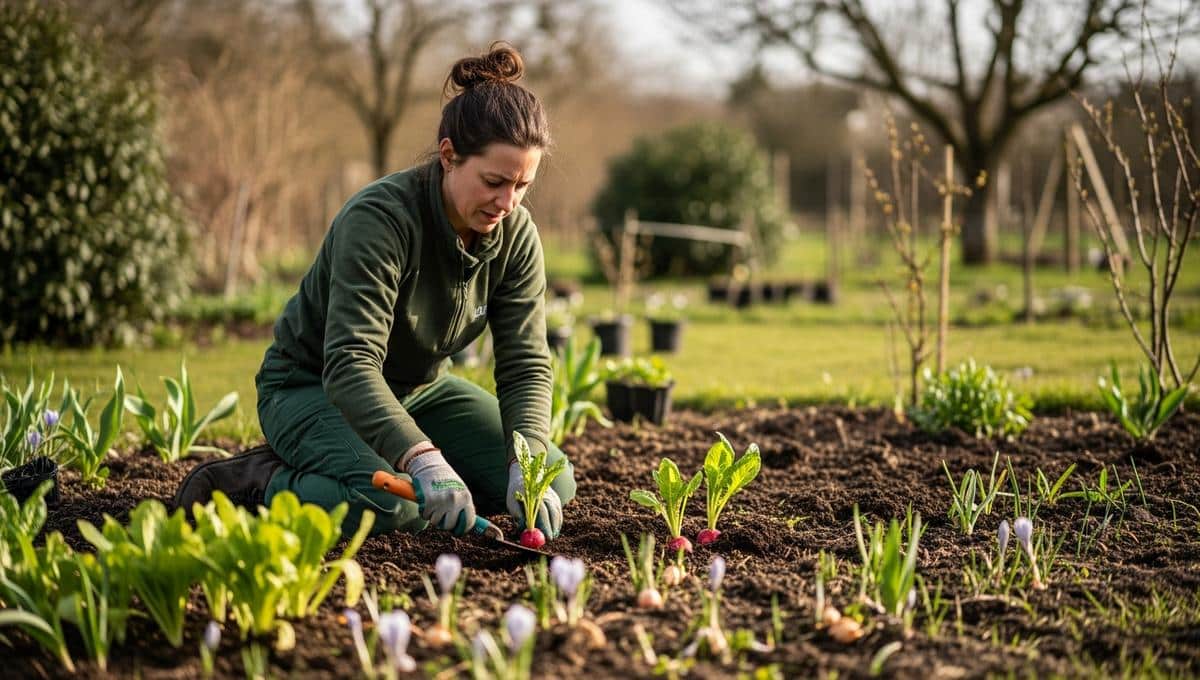
As March 2026 rolls in, your garden faces a critical turning point. The choices you make right now will shape the health of your lawn, flowers, and vegetable patches for the entire season ahead. Yet many homeowners miss this narrow window, only to wonder why their outdoor space struggles later in spring.
Why march is the make-or-break month for your garden
After weeks of frost and cold rain, the soil is finally waking up. Temperatures begin to rise, and daylight hours stretch longer each day. This combination triggers growth in both the plants you want and the weeds you don’t. Acting promptly gives you a clear advantage over pests, diseases, and unwanted invaders.
Many people assume they can wait until April to start outdoor tasks. In reality, delayed action often leads to compacted soil, patchy lawns, and weak seedlings. By then, weeds have already claimed precious nutrients. So the first days of March deserve your full attention.
Think of this period as a reset button for your green space. Every hour you invest now pays off tenfold by summer. From scarifying the lawn to preparing beds for sowing, each gesture has a precise purpose. The key is knowing which six steps matter most and tackling them in the right order.
« A garden left unattended in March is a garden that spends the rest of the year catching up. »
Scarify and aerate your lawn before new growth starts
Winter leaves behind a layer of dead moss, thatch, and debris on your turf. This matted layer blocks air, water, and nutrients from reaching the roots. Scarifying — using a rake or powered scarifier — removes that barrier effectively. Aim to do this on a dry day when the soil is moist but not waterlogged.
To readVinegar on garden beds sterilizes soil and kills plants for monthsRight after scarifying, aerate the ground by driving a fork or hollow-tine aerator into the surface every 10 to 15 centimetres. This breaks up compaction and lets oxygen flow to root level. As a result, grass recovers faster and thickens naturally. You should notice a visible difference within two to three weeks.
Once both tasks are done, spread a thin layer of lawn-specific compost or top-dressing. This fills tiny holes and feeds the soil biology beneath. Then overseed any bare patches with a mix suited to your climate. Water lightly and keep foot traffic to a minimum for at least ten days.
Prepare your flower beds and protect early blooms
Spring-flowering bulbs like daffodils, crocuses, and tulips are already pushing through the soil. To support them, clear away fallen leaves and old mulch that may harbour slugs or fungal spores. A gentle hand-weeding session around each clump prevents competition for light. Be careful not to disturb shallow bulb roots while you work.
Perennials that were cut back in autumn now show fresh shoots at their base. This is the ideal moment to divide overgrown clumps of hostas, asters, or geraniums. Replant divisions immediately and water them in well. Doing so rejuvenates older plants and fills gaps without any extra cost.
- Scarify and aerate the lawn to remove thatch and compaction
- Clear debris from flower beds and divide overgrown perennials
- Start sowing hardy vegetables under cover or in a cold frame
- Apply organic fertiliser to fruit trees and berry bushes
- Set up slug traps and check for early signs of aphid activity
Frost can still strike in March, especially at night. Therefore, keep horticultural fleece handy to drape over tender new growth when temperatures dip below −2 °C. Potted plants are particularly vulnerable, so group them against a south-facing wall for extra warmth. This simple step can save weeks of lost progress.
Roses deserve special care at this stage. Prune hybrid teas and floribundas down to an outward-facing bud, roughly 15 to 20 centimetres above ground level. Remove any dead, damaged, or crossing stems first. A clean, angled cut heals faster and reduces the risk of disease entering the cane.
Sow hardy vegetables and get a head start on harvests
March is prime time for sowing peas, broad beans, lettuce, spinach, and radishes directly outdoors. These crops tolerate cool soil and even light frost. Sow in shallow drills, cover lightly, and firm the soil with the back of a rake. Germination typically takes 7 to 14 days depending on conditions.
For warm-season crops like tomatoes, peppers, and courgettes, start seeds indoors on a bright windowsill or in a heated propagator. Use fresh seed compost and keep the surface moist with a spray bottle. Once seedlings develop their first true leaves, pot them on individually. They will be ready to move outside after the last expected frost in your region.
A cold frame or unheated greenhouse extends your options even further. Carrots, beetroot, and early potatoes thrive under glass at this time of year. Cover potato tubers with 10 centimetres of compost and keep them frost-free. By late April, you could already be harvesting baby salad leaves and fresh herbs.
Feed the soil and defend against early pests
Healthy soil is the foundation of every productive garden space. Spread a layer of well-rotted manure or garden compost over beds before planting. Work it into the top few centimetres with a fork rather than burying it deep. Soil organisms will do the rest, drawing nutrients downward naturally over the coming weeks.
Fruit trees and berry bushes benefit from a balanced organic fertiliser applied around the drip line. Avoid piling feed against the trunk, as this can encourage rot. Water the fertiliser in if rain is not forecast within 48 hours. A well-fed apple or pear tree can increase its yield by up to 30 percent compared to an unfed one.
Slugs and snails become active as temperatures climb above 5 °C. Set beer traps or scatter ferric phosphate pellets around vulnerable seedlings. Check under pots and along edges where these pests hide during the day. Meanwhile, inspect the undersides of leaves for early aphid colonies and squash them by hand before they multiply.
To readSoap in a sock: the simple garden trick that keeps pests away this springBirds are your greatest allies against insect pests, so encourage them into your outdoor space. Hang feeders, provide fresh water, and leave a few undisturbed corners where they can nest. A single blue tit family can consume thousands of caterpillars in one breeding season. By working with nature rather than against it, you build a garden that practically looks after itself over time.
Crédit photo © DivertissonsNous