
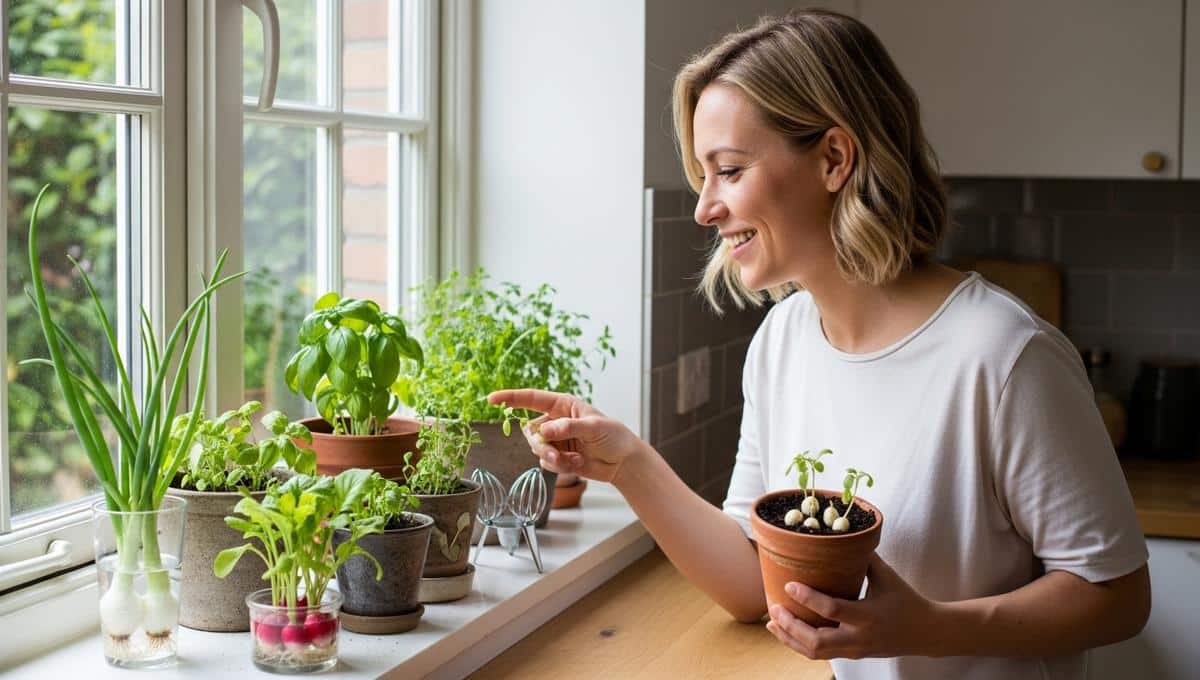
Growing fresh vegetables right in your kitchen might sound too good to be true, yet thousands of people are doing it every day in 2026. With just a windowsill, a few containers, and some patience, you can harvest greens and herbs in a matter of weeks. This simple practice saves money, reduces waste, and brings a surprising amount of joy to daily cooking routines.
Why growing vegetables indoors has become so popular
Rising grocery prices have pushed many families to rethink how they source fresh food. As a result, indoor gardening has surged in interest across Europe and North America over the past year. People who live in apartments without outdoor space find this approach especially practical. A sunny counter or a shelf near a window is often all you need to get started.
Beyond cost savings, there is a deep satisfaction in eating something you grew yourself. Many home cooks report that herbs and greens taste noticeably better when picked just moments before a meal. This freshness is hard to match, even at the best farmers’ markets. Indoor growing also means fewer pesticides and zero transport emissions, which appeals to eco-conscious households.
The trend also reflects a broader cultural shift toward self-sufficiency. Social media platforms are filled with time-lapse videos of sprouts emerging from jars on kitchen counters. Consequently, beginners feel encouraged to try it themselves, knowing the learning curve is gentle. Even children can participate, making it a rewarding family activity.
« There is something deeply calming about watching a tiny seed push through the soil on your windowsill — it reconnects you with the pace of nature, even in the middle of a busy city. »
The best vegetables to grow on your windowsill
Not every vegetable thrives indoors, so choosing the right varieties matters. Leafy greens such as lettuce, spinach, and arugula adapt remarkably well to low-light conditions. They germinate quickly and can be ready to harvest in three to four weeks. Radishes are another excellent option because they mature in about 25 days and require very little depth for their roots.
To readVegan Quiche With Winter Vegetables: This Creamy Egg-Free Recipe May Replace Your Traditional One for GoodHerbs deserve a special mention as well. Basil, chives, parsley, and cilantro grow vigorously in small pots placed near a bright window. They don’t demand much water, and regular trimming actually encourages bushier growth. For those who enjoy Asian cuisine, green onions regrow endlessly from their white root ends when placed in a glass of water — a trick that costs virtually nothing.
- Lettuce and arugula: ready in 3–4 weeks, ideal for salads
- Radishes: harvest in roughly 25 days, need minimal soil depth
- Basil and parsley: thrive on a bright windowsill year-round
- Green onions: regrow from scraps in just water
- Cherry tomatoes: need more light but produce fruit within 8–10 weeks indoors
Setting up your indoor garden step by step
The first thing to consider is light. Most edible plants need at least six hours of natural light per day. South-facing windows work best in the Northern Hemisphere, though east- or west-facing ones can also suffice for leafy greens. If natural light is limited, a simple grow lamp can fill the gap without consuming much energy.
Next, pick your containers. Almost any vessel with drainage holes will do — recycled yogurt pots, old mugs with a drilled hole, or classic terracotta pots. Fill them with a lightweight potting mix rather than garden soil, which tends to compact and retain too much moisture indoors. A well-draining medium keeps roots healthy and prevents mold from forming in your kitchen environment.
Watering is where many beginners go wrong. Overwatering is far more common than underwatering, and it can quickly kill seedlings. A good rule of thumb is to water only when the top centimeter of soil feels dry to the touch. Moreover, using a spray bottle for delicate sprouts helps avoid disturbing the roots. Once plants are established, a small watering can does the job perfectly.
Temperature control is usually straightforward because most homes stay between 18 °C and 22 °C, which suits the majority of edible plants. Still, be mindful of drafts near windows during colder months. Placing pots slightly away from the glass on chilly nights protects tender leaves from frost damage. In warmer weather, good air circulation prevents fungal issues and keeps growth strong.
Common mistakes and how to avoid them
One frequent error is planting too many seeds in a single pot. Overcrowding forces plants to compete for light, water, and nutrients, which stunts growth across the board. Instead, thin your seedlings once they sprout their first true leaves. This may feel wasteful, yet it ensures the remaining plants develop properly and produce a better harvest.
Another pitfall involves neglecting to rotate your pots. Plants naturally lean toward light, so turning containers a quarter turn every few days promotes even, upright growth. Without this simple step, stems become leggy and weak. In addition, fertilizing lightly every two weeks with a diluted organic feed gives indoor crops the nutrients they miss from outdoor soil ecosystems.
Turning your cooking space into a year-round food source
The beauty of an indoor kitchen garden is that seasons matter far less. While outdoor plots lie dormant in winter, your indoor greens keep growing as long as light and warmth are consistent. This means fresh salads in January and fragrant basil in December. Stagger your plantings by sowing new seeds every two weeks, and you’ll enjoy a continuous supply rather than a single overwhelming harvest.
Storage is rarely an issue because you pick only what you need for each meal. There is no wilted lettuce forgotten in the fridge and no herbs turning slimy in a plastic bag. This approach dramatically reduces household food waste, which remains a major concern in 2026 as global food systems face growing pressure. By harvesting on demand, you align your habits with a more sustainable lifestyle.
To readKitchen island removal: a communal table makes the kitchen feel warmerMany people also find that tending plants in the morning becomes a calming ritual. Before the rush of the day begins, a few quiet minutes spent checking soil moisture and admiring new growth can set a positive tone. Over time, this small practice builds a genuine connection between you and the food on your plate. It transforms the kitchen from a mere cooking area into a living, breathing space.
Starting small is the wisest strategy. Pick two or three varieties, master their needs, and then expand your collection. Before long, you may find that your indoor garden has become one of the most rewarding parts of your daily routine — and your meals will taste all the better for it.
Crédit photo © DivertissonsNous