
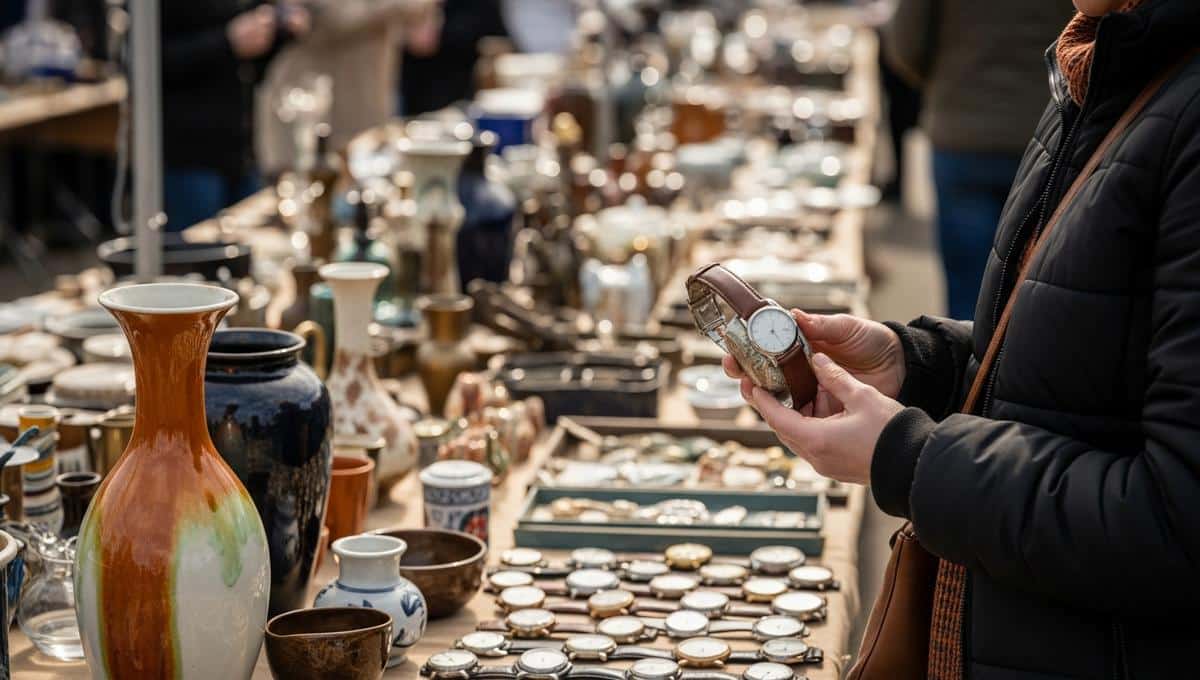
Every weekend, thousands of bargain hunters stroll through rows of dusty tables hoping to find hidden gems. Yet the flea market scene in 2026 is changing fast, and certain objects are now worth far more than their modest price tags suggest. If you plan to visit a brocante, antique fair, or secondhand sale this year, three specific categories of items deserve your full attention.
Why the flea market is booming in 2026
Secondhand shopping is no longer a niche hobby. In fact, it has become a cultural movement driven by sustainability, nostalgia, and the thrill of the hunt. More people than ever are turning away from mass-produced goods to seek out pieces with character and history.
Prices at auction houses have soared for certain vintage categories over the past few years. As a result, savvy collectors now prefer to scout local sales and flea market stalls where sellers may not realize the true value of what they own. This gap between listed price and real worth is exactly where opportunity lives.
Experts in the antiques trade point to three types of objects whose value could rise sharply through 2026 and beyond. These items are still relatively easy to find on a Sunday morning table, yet their market trajectory suggests they won’t stay affordable for long.
Vintage ceramic pieces from the mid-20th century
Ceramic tableware and decorative pottery from the 1950s through the 1970s have seen a steady increase in demand over recent seasons. Collectors prize bold glazes, organic shapes, and the handmade quality that modern factory items simply cannot replicate. A simple vase bought for a few euros at a village sale could be worth ten to twenty times that amount online.
« People are rediscovering the artistry of mid-century ceramics, and the market hasn’t caught up yet at local sales — that’s where the real finds happen. »
Look for pieces with maker’s marks on the base. Even partial stamps can help identify sought-after studios. Condition matters, so check for cracks and chips. However, minor wear rarely destroys value when the piece is rare enough.
To readVegan Quiche With Winter Vegetables: This Creamy Egg-Free Recipe May Replace Your Traditional One for GoodBright colors, asymmetric forms, and textured surfaces tend to attract the highest bids on resale platforms. So next time you spot a quirky bowl or an unusual planter at a secondhand stall, take a closer look before walking past.
Mechanical watches and analog clocks are ticking upward
The second category drawing serious collector interest is mechanical timepieces. Analog watches and mantel clocks with manual or automatic movements have gained renewed appreciation. Digital fatigue plays a role here — many buyers want objects that connect them to a slower, more tactile era.
Prices for certain vintage watches have climbed by 30 to 50 percent over the last three years at specialized auctions. Still, many of these same pieces sit unnoticed at flea market tables, priced modestly because the seller views them as outdated technology. This contrast creates a genuine window for informed buyers.
- Mid-century ceramic vases and tableware with maker’s marks
- Mechanical watches with manual or automatic movements
- Vintage brass and copper decorative items from the Art Deco period
- Pieces in good working condition, even with cosmetic wear
- Any item with original packaging or documentation
You don’t need to be a horologist to spot a good find. Simple rules help: feel the weight, listen for a smooth ticking, and check the back cover for brand engravings. A heavy case often signals quality materials. Meanwhile, a clean dial with legible numerals typically adds appeal for resale.
Keep in mind that servicing a mechanical watch can cost between 50 and 150 euros, depending on complexity. Therefore, factor that into your budget when negotiating the purchase price. A working piece is always preferable, yet even a non-running watch can hold strong value if its parts are intact.
Brass and copper decorative objects from the Art Deco era
The third category gaining momentum involves brass and copper decorative items dating from the 1920s through the 1940s. Art Deco design is experiencing a revival in interior trends for 2026. Geometric patterns, warm metallic tones, and sculptural silhouettes align perfectly with current tastes.
Items like candle holders, trays, bookends, and small figurines made from solid brass or hammered copper are becoming harder to find in good condition. Consequently, their scarcity drives prices upward. A pair of Art Deco bookends purchased for under ten euros can fetch 80 to 120 euros through the right channel.
Patina is not a flaw in this category — many buyers actually prefer the aged look. So resist the urge to polish everything before reselling. The original surface tells a story, and that story has commercial value. Just ensure the item is structurally sound and free from deep corrosion.
How to shop smart at your next flea market visit
Preparation makes all the difference between a casual browse and a profitable outing. Before heading to any secondhand sale, spend a few minutes researching current auction results for the categories listed above. Free apps and price-comparison tools can help you verify a potential find on the spot.
Arrive early for the best selection. Experienced dealers often scan tables at dawn, well before casual visitors appear. If you reach a flea market by opening time, your chances of spotting an undervalued treasure improve significantly. Bring cash in small denominations, as many sellers prefer it and will negotiate more freely.
Build relationships with regular vendors. Over time, they may set aside items they think you’ll like. This kind of trust is hard to build online, and it remains one of the greatest advantages of in-person hunting at local sales and antique fairs.
To readThese Vegetables Grow Perfectly in Your Kitchen in Just a Few Weeks: Here Is What to Plant in 2026Finally, don’t hesitate to ask questions. Sellers often know the history behind their items, even if they don’t know the current market value. A brief conversation can reveal provenance details that add both meaning and worth to your purchase. In 2026, the best deals at a flea market still go to those who show up curious, prepared, and ready to dig through the dust.
Crédit photo © DivertissonsNous