
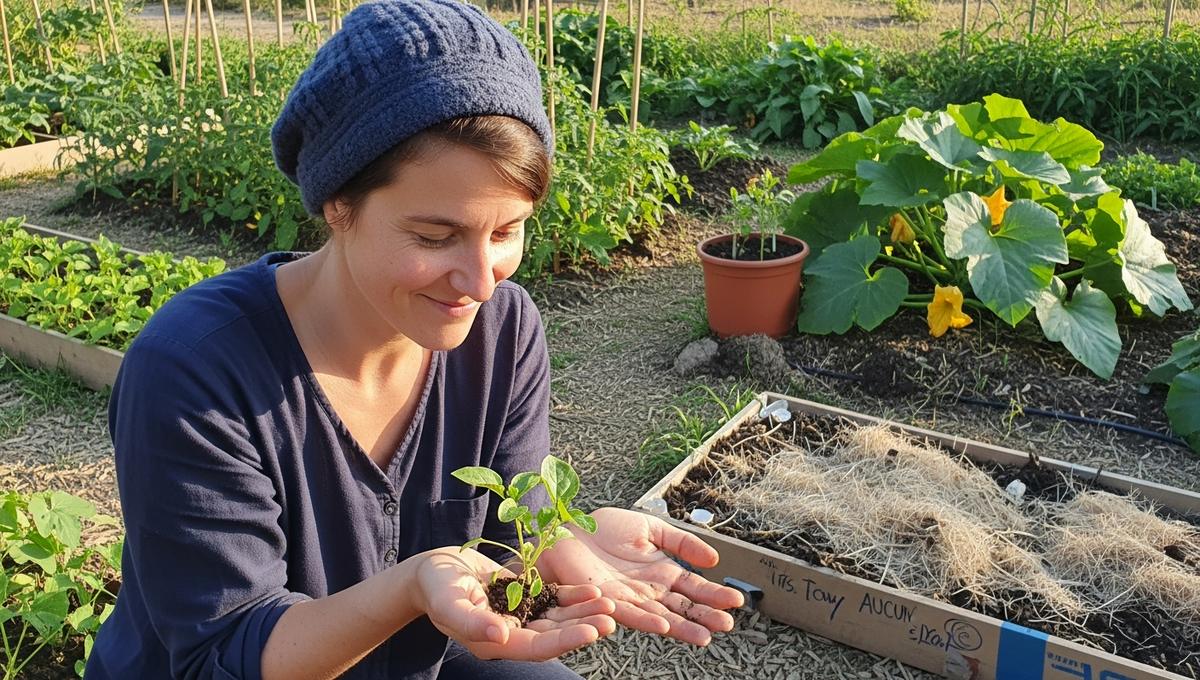
Many of us grow up believing that a tidy plot, regular watering, and store-bought fertiliser are all we need. Yet three permaculture techniques are quietly proving that traditional gardening misses powerful, low-effort strategies. These approaches work with nature rather than against it, and they could reshape the way you tend your soil this year.
Why conventional habits fall short in the garden
For decades, home growers have relied on bare soil, synthetic inputs, and frequent tilling. These practices often strip the earth of its living micro-organisms. As a result, plants become dependent on external products instead of thriving on their own. The cycle drains both your wallet and the ecosystem beneath your feet.
Permaculture offers a different path. It treats the garden as a self-sustaining system where every element supports another. Companion planting, ground cover, and natural water retention all play a role. Once you understand the logic, the shift feels surprisingly simple.
Many experienced growers admit they felt humbled after trying these methods for the first time. The results spoke louder than years of habit. Healthier crops appeared with less daily effort, and the soil itself seemed to come alive again.
Sheet mulching: feed the soil, not just the plant
Sheet mulching, also called lasagna composting, layers organic matter directly on top of the ground. Cardboard, straw, compost, and leaves build a rich blanket that decomposes slowly. This technique suppresses weeds without any chemical herbicide. It also invites earthworms and beneficial fungi to settle in.
« I used to spend weekends pulling weeds and turning soil — sheet mulching gave me my free time back while my garden thrived. »
Over a single season, this layered bed can transform compacted clay into dark, crumbly humus. Moisture stays trapped beneath the cover, so you water far less often. The nutrients release gradually, matching the pace plants actually need. In short, the mulch does the heavy lifting for you.
To readAuxiliary heating: the most efficient type that actually saves energy in 2026Getting started costs almost nothing. Collect cardboard boxes, autumn leaves, and kitchen scraps. Spread them in alternating layers about 15 to 20 centimetres deep. By spring, the bed is ready for direct planting without any digging at all.
Oyas and smart watering: ancient wisdom for modern gardening
Oyas are unglazed clay pots buried near plant roots. They release water slowly through their porous walls, delivering moisture exactly where it is needed. This ancient irrigation method, dating back over 4,000 years, drastically cuts water waste in dry climates. For anyone serious about sustainable gardening, oyas deserve a closer look.
Compared to surface watering, oyas can reduce consumption by up to 70 percent. The surrounding soil draws moisture through capillary action, so roots grow toward the pot naturally. Plants stay hydrated even during heat waves, and surface evaporation drops almost to zero. The technique pairs perfectly with mulched beds for maximum efficiency.
- Sheet mulching eliminates weeds and builds fertile soil with zero tilling
- Oyas cut water use by up to 70 percent through slow underground release
- Companion planting boosts pollination and natural pest control
- Polyculture beds produce more food per square metre than monoculture rows
- Permaculture methods lower costs while improving long-term soil health
Installing oyas is straightforward. Bury each pot so only the neck stays above ground, then fill it with water every few days. The clay walls do the rest, keeping nearby roots consistently moist. Over time, you will notice stronger stems and deeper root systems around each oya.
Companion planting: let plants protect each other
Companion planting groups species that benefit one another in the same bed. Basil grown beside tomatoes, for instance, repels aphids while improving flavour. Beans fix nitrogen in the soil, feeding neighbouring squash and corn. These partnerships reduce the need for pesticides and synthetic fertiliser alike.
The famous “three sisters” trio — corn, beans, and squash — has been used by Indigenous communities for centuries. Corn provides a natural trellis for beans. Beans enrich the soil with nitrogen. Squash spreads broad leaves that shade the ground and retain moisture. Together, they form a self-regulating mini-ecosystem.
Planning companions does require some research, yet the payoff is significant. A well-designed polyculture bed can yield up to 30 percent more produce per square metre than a single-crop row. Pest damage drops because predators find a more balanced habitat. Your gardening routine becomes lighter as the plants cooperate instead of competing.
Putting it all together for a resilient 2026 garden
Each of these three methods works well on its own. Combined, they create a garden that almost manages itself. Sheet mulch feeds the soil, oyas handle irrigation, and companion planting controls pests. The synergy means less time spent on chores and more time enjoying the harvest.
Starting small is the smartest approach. Dedicate one raised bed to the full permaculture trio this season. Track how much water, fertiliser, and labour you save over three months. Most growers report noticeable results within the first six to eight weeks.
To readClean walls and ceilings in minutes with this effortless technique that leaves them spotlessPermaculture does not demand perfection. It invites observation, patience, and gentle adjustments season after season. Even a single technique can spark a deeper connection with your outdoor space. That shift in mindset is perhaps the most valuable harvest of all.
Whether you tend a balcony planter or a sprawling allotment, these gardening methods scale to fit any space. The principles remain the same: work with the land, minimise waste, and let natural systems do what they do best. In 2026, there has never been a better moment to rethink how we grow our food.
Crédit photo © DivertissonsNous