
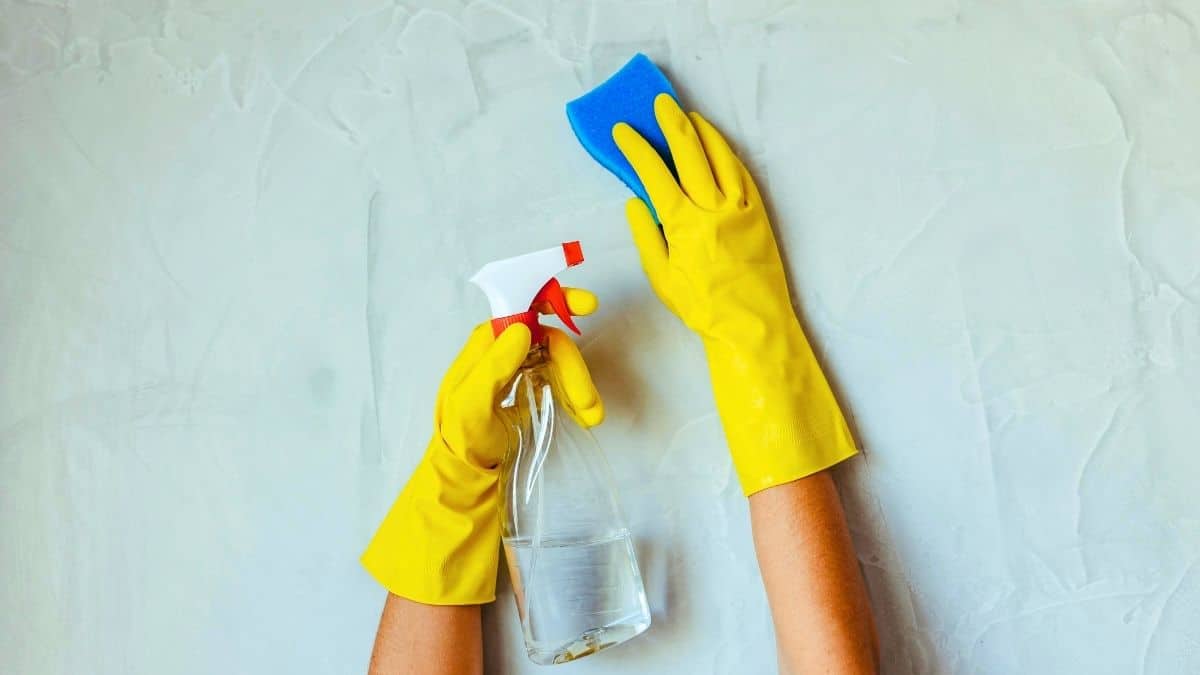
Staring at dusty, stained surfaces can feel overwhelming, especially when you lack time or energy. Yet learning how to clean the walls of your home does not have to be a dreaded chore. In 2026, simple techniques and affordable products make this task faster and far less tiring than you might expect.
Why your walls and ceilings collect so much grime
Every day, cooking vapors, cigarette smoke, and ambient dust settle on vertical surfaces. Over months, a thin film of grease and dirt builds up, often without you noticing. The result is a dull, yellowish tint that dims the entire room.
Painted walls near kitchens and hallways suffer the most. Fingerprints around light switches, scuff marks along corridors, and splashes behind stovetops are common culprits. Consequently, these high-traffic zones need attention more often than bedrooms or guest rooms.
Ceilings are even trickier because gravity works against your cleaning motion. Reaching overhead causes arm fatigue in minutes. For that reason, many people postpone the job until the grime becomes impossible to ignore.
« A wall that looks freshly painted is often just a wall that has been properly washed — no new coat of paint required. »
The hidden cost of neglecting painted surfaces
Ignoring dirty walls does more than harm aesthetics. Accumulated grease can weaken paint adhesion over time, leading to flaking and peeling. Repainting a room costs far more than a periodic wash, so prevention is the smarter path.
Mold spores also thrive on damp, grimy surfaces. In bathrooms and poorly ventilated kitchens, dark spots can appear within weeks. Therefore, a regular wipe-down protects both your walls and your health.
The easy, fast technique to clean the walls without exhausting yourself
The method gaining popularity in 2026 relies on a no-rinse heavy-duty cleaner dissolved in warm water. You apply the solution with a flat mop fitted with a microfiber pad, working from top to bottom. This approach lets you cover large areas while standing comfortably on the floor.
To readWhat you do right after every laundry cycle causes bad odors and premature washing machine wearStart by dusting the surface with a dry microfiber cloth or a vacuum brush attachment. Removing loose dust first prevents muddy streaks when the wet mop touches the wall. This quick prep step takes roughly five minutes per room.
Next, dip the flat mop pad into the cleaning solution and wring it until damp, not dripping. Glide it across the wall in broad, overlapping strokes. Because the formula requires no rinsing, you save half the effort compared to traditional sponge methods.
- Dust walls with a dry cloth or vacuum before wetting them
- Dissolve a no-rinse cleaner in a bucket of warm water
- Use a flat mop with a microfiber pad for wide, even coverage
- Work from the ceiling down to avoid dirty drip marks
- Let the surface air-dry — no need to towel off
Soluxia — lessive gros travaux sans rinçage is one such no-rinse cleaner designed for heavy-duty household tasks. Available as a 1.4 kg powder for around €6.79, it dissolves grease and nicotine film without forcing you to go back over the wall with clear water.
Adapting the method to textured or delicate finishes
Matte paint is more porous than satin or gloss, so it absorbs moisture quickly. For matte finishes, use a lightly dampened pad and avoid scrubbing. Gentle, straight passes will lift dirt without leaving shiny patches on the paint.
On textured coatings such as stucco or plaster relief, a soft-bristle brush attachment works better than a flat pad. The bristles reach into grooves where dust hides. As a result, you get a thorough clean even on uneven surfaces.
Wallpaper demands extra caution. Vinyl wallpaper tolerates a damp wipe, yet paper-based coverings can warp or peel. Always test an inconspicuous corner first to confirm the material can handle moisture.
Room-by-room tips for spotless results in 2026
Kitchens demand a stronger solution because of grease splatter. Adding a small extra scoop of your no-rinse powder to the bucket helps break down oily residue. Focus on the area above the stove and around the extractor hood, where buildup is thickest.
In bathrooms, you may need to clean the walls around the shower stall every few weeks. Soap scum and humidity create a breeding ground for mildew. A quick pass with the mop right after a steamy shower keeps tiles and painted plaster fresh.
Living rooms and bedrooms rarely need more than a seasonal wash. Dust and cobwebs are the main enemies here, so a dry pass followed by a lightly damp one is enough. This routine takes under 20 minutes for an average-sized room.
When you clean the walls of a hallway, pay special attention to the lower half. Shoe marks, pet prints, and backpack scrapes concentrate at waist height. A targeted wipe of that zone every month keeps the corridor looking bright between full washes.
For those tackling several rooms in one session, proves especially handy because you skip the rinsing step entirely. That single time-saver can cut a whole-house wall wash from a full afternoon down to roughly two hours.
Common mistakes that make the job harder
Soaking the mop pad is the most frequent error. Excess water runs down the wall and pools along baseboards, creating new stains. A well-wrung pad glides smoothly and dries in minutes.
Using abrasive sponges on painted surfaces is another pitfall. Rough pads scratch the finish, leaving visible marks under direct light. Microfiber is gentle enough to protect even eggshell paint while still trapping dirt effectively.
Skipping the top-to-bottom rule causes streaky results. When you clean the walls from the bottom up, dirty water trickles onto areas you just washed. By starting at the ceiling line, gravity carries residue downward to sections you have not yet reached.
How often should you really wash your walls
Most households benefit from a full wall wash twice a year — once in spring and once in autumn. High-traffic spots like kitchens and entryways may need a monthly touch-up. Bedrooms, by contrast, stay clean with just the biannual routine.
To readAuxiliary heating: the most efficient type that actually saves energy in 2026Pet owners often need to clean the walls more frequently. Fur, drool, and muddy paw prints add extra soil that a yearly pass cannot handle. A quick wipe every few weeks near pet beds and feeding areas keeps things manageable.
Smokers or homes with wood-burning stoves face heavier deposits. Nicotine and soot embed into paint faster than ordinary dust. In these cases, a quarterly deep clean prevents permanent discoloration and preserves indoor air quality.
Establishing a simple schedule removes the mental burden of deciding when to act. Mark two dates on your calendar, gather your supplies, and the task transforms from a dreaded project into a brief, routine activity that keeps every room looking freshly painted throughout 2026.
Crédit photo © DivertissonsNous