
Energy bills have become a monthly stressor for many families, yet practical habits can lighten the load and help you save money. A widely shared routine shows that managing heat at home is less about gadgets, and more about timing and airflow. With a few daily tweaks, comfort improves, and costs drop without sacrificing safety, just as optimizing your electricity bill can reduce your expenses.
What the original tip really means for your home
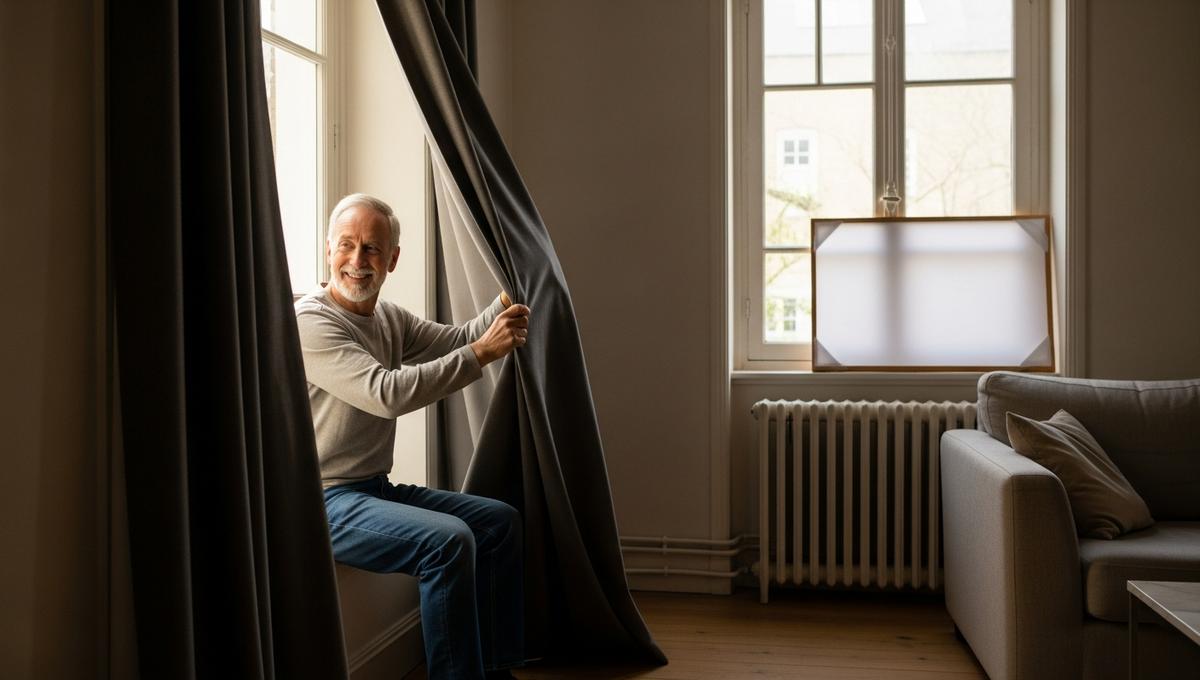
The source story centers on a homeowner who heats for “free” much of the year by stacking small wins. First comes sunlight: open shades when the sun is out, then close them before dusk to trap warmth. Next comes zoning: shut interior doors to keep rooms cozy. Finally, use residual heat after cooking to warm the kitchen safely, rather than reaching for the thermostat, a logic of small gestures that is similar to managing your CAF benefits.
This approach matters because home heating often makes up 60–70% of household energy use in colder months. Therefore, every degree and every hour count. By coordinating curtains, doors, and cooking schedules, you turn existing heat into steady comfort. As a result, usage drops without new equipment or complex retrofits, a bit like optimizing your life insurance solutions to secure your budget.
Daily routine, step by step
Start the day by letting the sun in on east- and south-facing windows. Then, seal drafts with simple weather strips, which take minutes and pay back fast. After baking or roasting, turn the oven off and open the door slightly once it is safe, so the remaining heat diffuses into the room. Because small actions add up, this rhythm can help you save money through the season, just like adjusting your investments in a savings account, PEA, or CAT.
« I stopped chasing the thermostat and started managing the heat I already had. »
Midday, keep doors to rarely used rooms closed, which reduces the volume you need to heat. Meanwhile, maintain gentle airflow to avoid condensation, which makes rooms feel colder. At night, draw curtains and lower blinds to cut radiant heat loss. If you can, add reflective panels behind radiators to direct warmth back into the room.
Practical steps you can apply now
Focus first on leaks you can see and feel. Close keyholes with covers, fit door sweeps, and press foam tape around frames. Next, set your main living space to a steady 18–19°C, and wear layers instead of nudging the dial. This steady baseline improves comfort and helps you save money over time.
- Open sun-facing shades by day; close them before dusk.
- Shut doors to unused rooms to reduce heated space.
- Cook in batches and use residual oven warmth safely.
- Add draft stoppers to exterior doors and cold hallways.
- Set a stable thermostat target and avoid frequent spikes.
Radiateur soufflant — Radiateur soufflant (Chauffage d’appoint ; modèle non précisé).
Compact fan heater for spot warmth; use sparingly and only when present in the room.
Be mindful with portable heaters. A 2,000 W unit can cost real money if it runs for hours at typical tariffs of €0.20–€0.30/kWh depending on your plan. Therefore, restrict use to short bursts in small spaces, and pair with good sealing. In short, targeted heat beats whole-home heating when you need a quick boost, and it can still help you save money.
Kitchen habits pay off as well. Put lids on pots to cut cooking time and steam loss. After showering, ventilate briefly to remove moisture without chilling the entire home. Because hot water can be a silent spender, reduce tank temperature a notch if safe and permitted by local guidance.
Seasonal adjustments without major upgrades
In spring and autumn, chase warmth by day and lock it in at dusk. During summer, shade windows early and vent at night to purge heat. Use fans to move air rather than cool the whole space with AC. This gentle tuning preserves comfort and helps you save money even between seasons.
In winter, prioritize rooms where you spend evenings. Lay rugs on bare floors to limit heat loss underfoot. Schedule heating to start slightly before occupancy, not long hours in advance. As a result, you warm what you use, when you use it, instead of paying for empty rooms.
What to measure and how to track progress
Measurement turns habits into results. Read your meter weekly and note weather conditions, so you can separate cold snaps from behavior changes. If possible, plug high-load devices into smart plugs to see real-time consumption. With a simple log, you can often spot a path to 10–20% lower use, depending on your home and climate.
Safety stays non-negotiable. Keep ventilation adequate to avoid damp, mold, and stale air. Never block flues, and install CO alarms if you burn gas, pellets, or wood. When you prioritize safe routines, comfort improves as costs fall, and you still manage to save money across the year.
When budgets allow, look to bigger wins that build on daily habits. Window sealing film, attic insulation, and thermostatic valves all raise your baseline. Later, consider a heat pump or a boiler service for steady gains. Yet the low-cost routine from the original tip shows that, even now, clear habits can deliver meaningful comfort at minimal cost.
À lireAluminum foil ball in the washing machine reduces static and speeds up drying in 1 washCrédit photo © DivertissonsNous