
Heating costs keep rising, yet comfort still matters. If you want a warmer house without breaking the bank, small fixes can help fast. Today’s guide brings clear steps you can start this week, while keeping an eye on your electricity bill and energy expenses.
Small fixes, big comfort: start where heat escapes
Heat often escapes through tiny gaps. Doors, windows, and attic hatches leak energy every hour. Therefore, plug the obvious holes first. You will feel a quick lift in room temperature, which can also help you better manage your budget and investments.
The 20 Minutes Maison guide points to budget tools from Action and similar stores. It cites potential savings of up to €399 per year in some homes when simple steps stack. Of course, results vary with dwelling size and habits. Even so, clear priorities steer you toward a warmer house, while leaving more room for other items such as life insurance policies or long-term savings plans.
What to buy now: simple tools that work
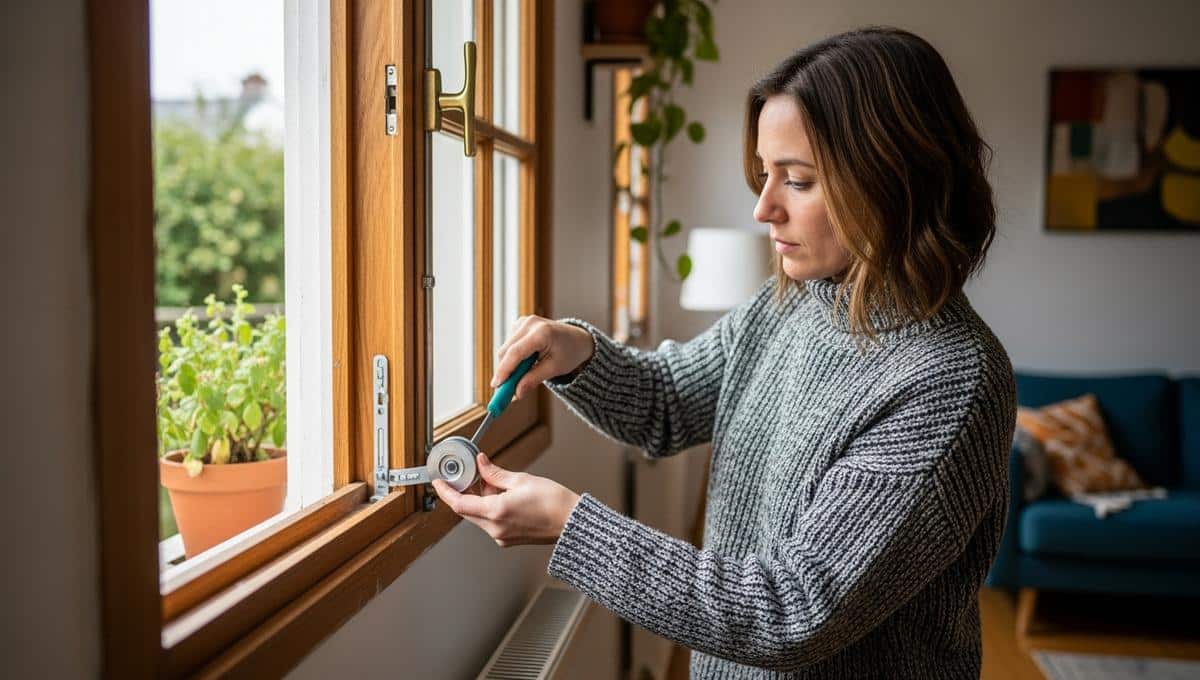
For instance, window insulation film adds an invisible air layer. In practice, it cuts drafts and lifts the perceived temperature by 1–2°C. The kits stick with tape and shrink tight with a hair dryer. As a result, old windows feel less icy in minutes, a significant advantage when off-peak hours and rates change.
« Seal the leaks you can see, then hunt the ones you can’t. »
Behind radiators on external walls, heat can vanish into the brick. Reflective panels bounce warmth back into the room. Consequently, you recover roughly 10–20% of radiator output otherwise lost to the wall. Scissors, double‑sided tape, and ten minutes per unit are enough.
À lireAluminum foil ball in the washing machine reduces static and speeds up drying in 1 washNext, stop cold air flowing under doors and around frames. Foam weatherstripping and a weighted draft snake make a big difference. Moreover, hall floors feel calmer and the whole flat trends toward a warmer house. These fixes are cheap, quick, and fully reversible for renters.
- Check for light under doors; if you see it, block it.
- Feel for drafts with a damp hand along frames and skirting.
- Seal attic hatches and letterboxes to cut hidden leaks.
- Add curtains or blinds to reduce nighttime heat loss.
- Close unused room doors to focus heat where you live.
Habits that save money every single day
Set smart targets, then leave them alone. Many guides recommend 19°C in living rooms and 17°C in bedrooms. Furthermore, lowering the setpoint by 1°C can save about 7% on heating, according to common agency guidance. That steady control supports a warmer house without constant fiddling.
Short showers matter more than you think. Aim for 5 minutes and fit a flow limiter if needed. Meanwhile, ventilate twice a day for ten minutes to flush moisture. Drier air warms faster, so comfort rises at the same thermostat setting.
Action — mm96883 (Unknown; €399) is referenced in the source as a tagged item. Accordingly, treat it as a reminder that bigger purchases can complement quick wins when planned carefully.
Measure and maintain: proof beats guesswork
Measure, then act. A simple digital thermometer reveals cold corners; a basic thermal probe shows surface gaps. Consequently, you can target materials where they matter and build a real plan toward a warmer house. Keep a notebook with room readings before and after each fix.
Bleed radiators until air stops hissing. Then balance valves so distant rooms heat evenly. Also clean heater filters and vacuum vents for steady airflow. Small maintenance tasks prevent waste and extend system life.
What to do next week: a simple seven-day plan
Day 1, audit rooms and draft paths. Day 2, buy film, seals, reflectors, and a door snake for around €20–€50, depending on size. Then assign one room per evening. By the weekend, your spaces will feel calmer and more consistent.
Days 3–5, install the kits and take quick measurements before and after. Therefore, you can see the gain and adjust the next steps. That proof keeps motivation high on the path to a warmer house. Also photograph trouble spots to track change over time.
À lireFree heating all year: the daily hack I use to save moneyDay 6–7, set schedules, purge air, and align valves. Afterward, review bills monthly and note outside temperatures for context. If you rent, pick reversible measures and keep receipts. In fact, you can reuse many items next season to lock in savings.
Crédit photo © DivertissonsNous