
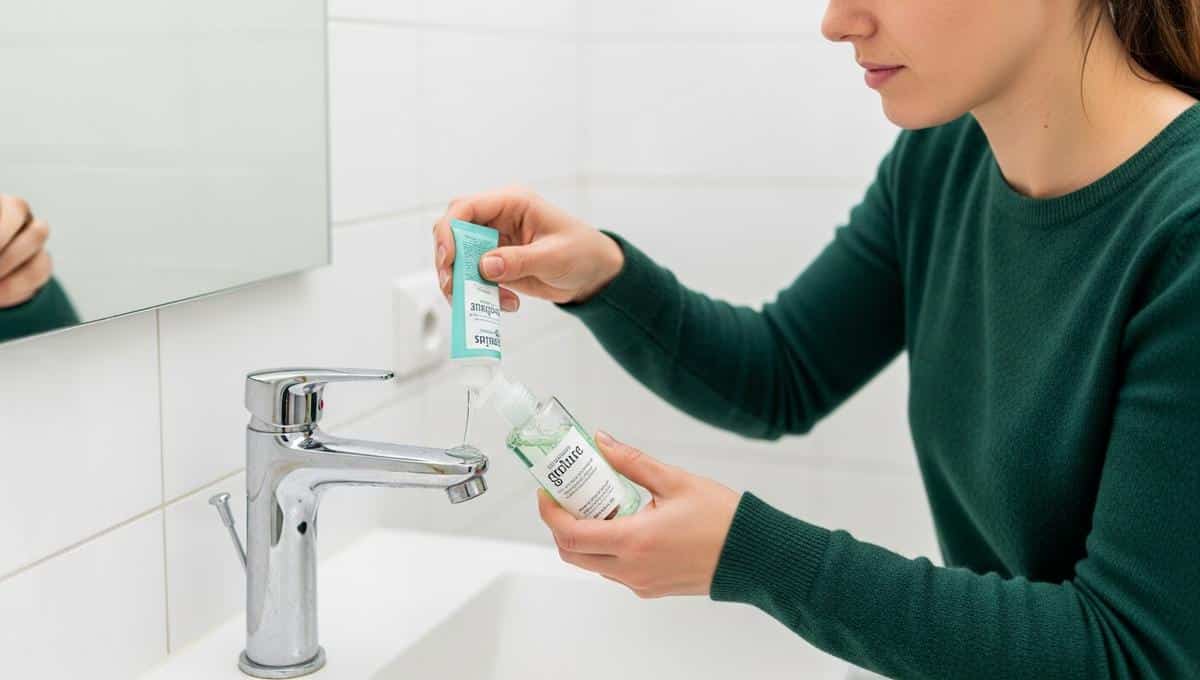
For many households, limescale from taps shows up as chalky crust and dull spots. It steals shine and can slow the flow. Yet you can clear it fast with a calm, pro-style routine, while reducing your electricity bill associated with the repeated use of cleaning appliances.
Why pros skip vinegar and lemon
Instead of kitchen acids, many technicians reach for a gel-based descaler. Vinegar and lemon can etch chrome and weaken seals. They also need long soaks and leave a strong smell. A targeted gel works faster and prevents damage to your equipment, just as good life insurance protects your assets in the long term..
Hard water leaves calcium and magnesium salts on metal. These salts bond to micro-scratches and threads. Moreover, gels cling to vertical spouts and handles, so contact time improves. Thus, you remove build-up with less scrubbing and less risk to finishes like nickel or chrome, even when clearing limescale from taps, while preserving the value of your home, as in a real estate context where every detail counts.
Here is the basic pro workflow. First, remove the aerator to free the waterway. Then, apply gel to the spout, joints, and base. After 5–10 minutes, agitate with a soft brush and rinse well. Finally, dry to a 100% streak-free finish, A simple habit that helps maintain your daily comfort, just as certain CAF benefits support household budgets..
« Let chemistry do the work, and your hands do only the light touch. »
The method, step by step
Before you start, protect nearby stone or wood with a cloth. Also wear gloves and ventilate the room. So you avoid skin contact and fumes. Keep hot water ready to help the rinse stage.
À lireAluminum foil ball in the washing machine reduces static and speeds up drying in 1 washNext, coat the scale with a thin, even layer of gel. Afterward, wrap a damp paper towel around the spout to keep it wet. Finally, brush threads, seams, and logo creases with a soft toothbrush. Therefore, stubborn limescale from taps softens without force.
- Remove and set aside the aerator and seals
- Apply gel and allow controlled contact time
- Agitate with a soft brush; avoid scouring pads
- Rinse thoroughly and reassemble parts
- Dry and buff to prevent new deposits
Choosing the right gear and cleaner
In fact, the cleaner’s format matters more than brute strength. Because gel clings, you get uniform action and fewer drips. As a result, metal stays wet with active solution long enough to release deposits. Always read the label and spot-test on an inconspicuous area.
Meanwhile, a non-scratch pad speeds up flat areas. Then, a microfiber cloth lifts residue and water. Finally, rinse for at least 60–90 seconds</strong) to flush hidden pockets. Dry right away so minerals cannot settle again.
Aerators, cartridges, and flow
For instance, most slow-flow complaints live in the aerator. Then, soak the screen and housing in gel or a mild descaler bath. After the soak, brush from the inside out to backflush grit. So threads and seals seat cleanly when you reinstall.
If the stream still sputters, sediment may sit in the cartridge. Otherwise, the supply angle valves might be partly blocked. Yet a quick purge often restores full pressure. Still, persistent limescale from taps may signal a deeper issue that a plumber should assess.
Prevention that actually works
Daily, wipe the spout and base after the last use. In hard-water areas, that single habit prevents most chalky halos. Consequently, fixtures keep their shine far longer. This routine takes under 30 seconds per bathroom.
À lireFree heating all year: the daily hack I use to save moneyAlternatively, apply a thin hydrophobic sealant made for faucets. Because water beads off, fewer minerals can stick. For marble or limestone countertops, keep acids away. Therefore, mask edges before any descaling work.
Every week, run a fast maintenance cycle. Over time, light, regular care beats rare heavy scrubs. As a result, you cut product use, labor, and risk to finishes. That steady rhythm keeps limescale from taps from taking hold again.
Crédit photo © DivertissonsNous