
For many households, wood heating promises comfort and control during colder months. Yet real savings and steady warmth arrive only when the fire burns efficiently. Here is how to make your stove friendlier, safer, and kinder to your budget.
Dry fuel, smart lighting, and clean air: the heat trifecta
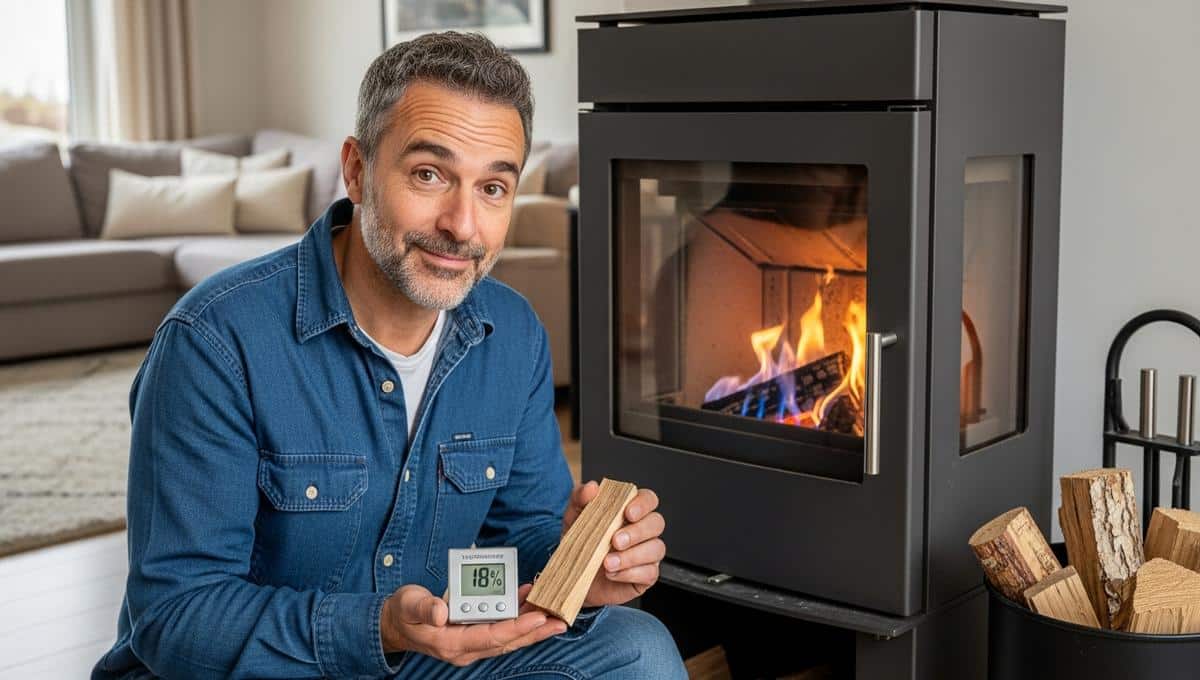
Start with dry logs. Aim for a moisture content under 20% for a clean flame. Store wood off the ground, under cover, with free airflow. In practice, seasoning often takes 12–24 months, depending on species and climate.
Light fires from the top. Stack large pieces below, then medium splits, then kindling and a natural firelighter on top. Thus the flame travels downward, preheating gases and reducing smoke. This approach stabilizes startup and supports consistent wood heating.
Give your stove air. Open primary and secondary inlets during ignition, then lower gradually once flames are lively. Keep a bright flame; avoid starved, smoky fires. Blue, almost transparent flames signal complete combustion.
« Burn dry wood and let your stove breathe. »
Choose the right species and size of log
Pick dense hardwoods for longer burns, and softwoods for quick ignition. Oak, beech, or hornbeam deliver steady embers. Pine or fir help start the batch. Balance convenience, price, and your appliance’s guidance.
Split logs to the right thickness. Many stoves prefer 5–10 cm splits for reliable ignition. Also mix sizes within one load to shape the burn curve. This detail often improves wood heating across the evening.
- Check moisture with a meter on a fresh split face
- Stack wood on pallets with wind exposure and a top cover
- Use the top-down method for a cleaner start
- Keep air inlets clear and responsive
- Never burn treated, painted, or wet wood
Maintenance that pays back in comfort and savings
Schedule chimney sweeping according to local rules. Many areas require one to two visits per year. Insurers sometimes ask for proof, so keep certificates. Therefore, plan maintenance before peak season.
Inspect door gaskets and replace if they leak. A tight seal improves control and safety. Keep the baffle intact and clean the glass for better feedback. Maintain a modest ash bed of about 2 cm to aid ember stability.
Watch temperatures during use. A stove-top or flue thermometer helps avoid creosote and overheating. As a result, you burn cleaner and protect the appliance. Fit a carbon monoxide alarm in the room for peace of mind.
Reduce smoke, protect air quality
Only burn untreated, clean, and seasoned wood. Because wet fuel drives smoke and deposits, it hurts efficiency and health. Reduced smoke means fewer odors, less soot, and better neighborhood relations. Cleaner fires also extend the life of wood heating systems.
Let the fire breathe during startup and reloads. Then taper air slowly as the flame stabilizes. Avoid night-long smoldering; it produces tar and risk. Instead, load properly earlier, then let the fire go out.
Move the heat where you live
Circulate warmth to avoid hot-and-cold pockets. Keep interior doors ajar to guide air. A small, heat-powered fan can push gentle flow. Meanwhile, mind safety clearances around the stove.
Improve the building envelope to lock in gains. Seal drafts around windows and doors. Close thick curtains at night, and open them for sun. These small habits often save 10–15% on daily consumption.
Think about room layout and daily rhythm. Place seating where radiant heat reaches you first. Therefore, you feel warmer at a lower output. That comfort-first mindset elevates wood heating without burning extra logs.
From habits to measurable results
Track wood use by stack or bag to spot progress. For instance, note how many loads you burn each week. Then adjust log size, air, and timing, one variable at a time. This method turns guesswork into repeatable results.
Share photos of your flame with a trusted sweep or installer. They can spot clues in seconds. As a result, you gain tailored, local advice with minimal cost. Small corrections often cut use by 20–30% across a season.
Safety, storage, and everyday comfort
Store enough seasoned wood ahead of winter. Keep stacks stable, dry, and clear of the house wall. Also leave a gap for airflow behind covers. Good storage underpins reliable wood heating all season.
To readPersistent stains on stainless steel, tile and wood: remove them this winter without chemicalsMind household comfort beyond the flame. Use a hygrometer to keep indoor humidity balanced. Dry air feels cooler, so add bowls or plants if needed. Conversely, vent briefly if moisture creeps too high.
Stay adaptable when weather changes. On mild days, burn smaller loads and shorter cycles. During cold snaps, step up to denser fuel and longer burns. With practice, wood heating becomes smooth, predictable, and genuinely cozy.
Crédit photo © DivertissonsNous