
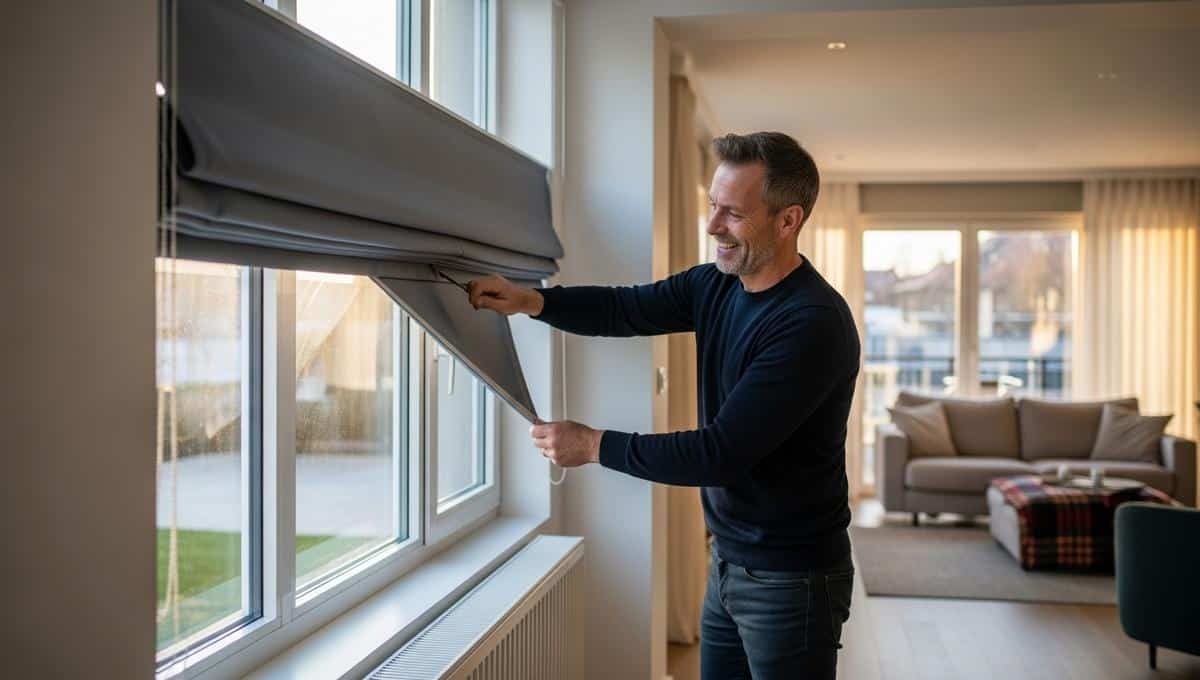
When temperatures drop and energy bills climb, many homeowners overlook one of the simplest ways to keep warmth inside. Changing your curtains — or even how you use them — can make a real difference in your heating costs this winter. In fact, this small adjustment in your living room could prevent a surprising amount of heat from escaping through your windows.
How your windows drain warmth from your home
Windows are among the weakest points in any home’s insulation. Even with double glazing, glass remains a poor barrier against cold air. As a result, up to 30% of a home’s heat loss can occur through windows, especially in older buildings with single-pane glass or poorly sealed frames.
Most people think of wall insulation or roof upgrades when they want to cut energy waste. Yet the fabric hanging in front of your windows plays a far bigger role than many realize. A well-chosen window covering acts as a thermal shield, trapping a layer of air between the glass and the room.
During the coldest months of 2026, energy prices across Europe remain a concern for millions of households. Consequently, affordable home solutions are gaining renewed attention. Rather than investing thousands in renovation work, a targeted change at your windows can deliver noticeable savings almost overnight.
Why thick, lined curtains outperform other options
Not all window dressings offer the same protection. Thin voile panels or decorative sheers do very little to block cold drafts. On the other hand, heavy, thermally lined curtains can reduce heat loss through a window by 25% to 30%, according to energy efficiency research cited by home experts.
« A simple switch to thermal-lined drapes in your main living space can lower your heating needs more than most people expect — it’s one of the cheapest energy upgrades available. »
The secret lies in the lining. A dense interlining or dedicated thermal layer creates a pocket of still air that insulates against the cold outside. Fabrics like velvet, heavy cotton, or wool blends work especially well. Moreover, the way you hang them matters just as much as the fabric itself.
To readBaked Banana-Chocolate Porridge: The Ultra-Comforting Breakfast You Can Make in MinutesFor maximum effect, your window treatment should extend beyond the frame on both sides. It should also reach the floor rather than stopping at the sill. This fuller coverage minimizes gaps where cold air can seep in and warm air can escape. Ceiling-mounted rails, for instance, perform better than short brackets placed halfway down the wall.
- Choose thermal-lined fabric with at least two layers for proper insulation
- Hang panels from ceiling height to the floor to seal the full window area
- Close them at dusk to trap daytime warmth before temperatures drop
- Open them on sunny mornings to let free solar heat enter the room
- Use a pelmet or valance at the top to prevent warm air from rising behind the fabric
Practical tips to get the most from this simple change
Timing is everything when it comes to using your window coverings wisely. During the day, south-facing windows receive free solar energy. Therefore, keeping those panels open while the sun shines lets warmth build naturally in the room. As soon as daylight fades, closing them immediately locks that warmth inside.
Layering can boost performance even further. A sheer panel closest to the glass paired with a heavy outer drape creates a double barrier. This combination also lets you control privacy and light during daylight hours without sacrificing thermal protection at night.
Drafts around the edges remain the biggest enemy of any window insulation strategy. Magnetic strips, Velcro tape, or specially designed side channels can help seal curtains against the wall. These small additions cost very little, yet they stop convection currents that carry warm air up and out behind the fabric.
Color and weave also play a part. Darker, tightly woven textiles absorb and retain more heat than loosely woven, light-colored alternatives. Still, personal style matters. Fortunately, many home textile brands now offer attractive thermal options in a wide range of colors and patterns that blend with modern interiors.
Beyond the living room: other rooms that benefit
While the living room is the most common gathering space, bedrooms also lose significant warmth at night. Hanging thermal drapes in sleeping areas can improve comfort and reduce the need to run heating through the night. As a bonus, blackout thermal panels also block light and muffle outside noise, helping you sleep more soundly.
Kitchens and hallways with exterior-facing windows deserve attention as well. Even a short Roman blind with thermal backing can make a difference in these smaller spaces. In hallways near the front door, a heavy door curtain — an old technique still popular in period homes — adds another layer of draft protection.
Bathrooms present a unique challenge due to moisture. Here, moisture-resistant roller blinds with a thermal coating may be more practical than fabric panels. Nevertheless, the principle stays the same: create a barrier between the cold glass and the heated room.
A low-cost upgrade with real, measurable impact
Compared to replacing windows or adding external wall insulation, upgrading your curtains costs a fraction of the price. A pair of quality thermal-lined panels for a standard window typically runs between 40 and 120 euros, depending on fabric and size. That investment can pay for itself within a single winter through lower energy bills.
Several studies have shown that homes using proper thermal window treatments alongside basic draft-proofing can cut overall heating demand by 10% to 15%. For an average European household spending around 1,500 euros per year on heating, that translates to savings of 150 to 225 euros annually.
This approach also aligns with broader sustainability goals in 2026. Reducing energy consumption at home lowers carbon emissions without requiring complex technology. It is, in many ways, one of the most accessible eco-friendly steps any household can take. Even renters, who often cannot modify walls or windows, can install and remove thermal drapes without permanent changes.
To readYour Fridge Uses Too Much Energy: This Common Storage Mistake Blocks Cold Air From CirculatingSo before you turn the thermostat up another degree this winter, take a look at what hangs beside your windows. A thoughtful upgrade to your curtains might be the easiest and most cost-effective way to stay warm, save money, and reduce your energy footprint in the months ahead.
Crédit photo © DivertissonsNous