
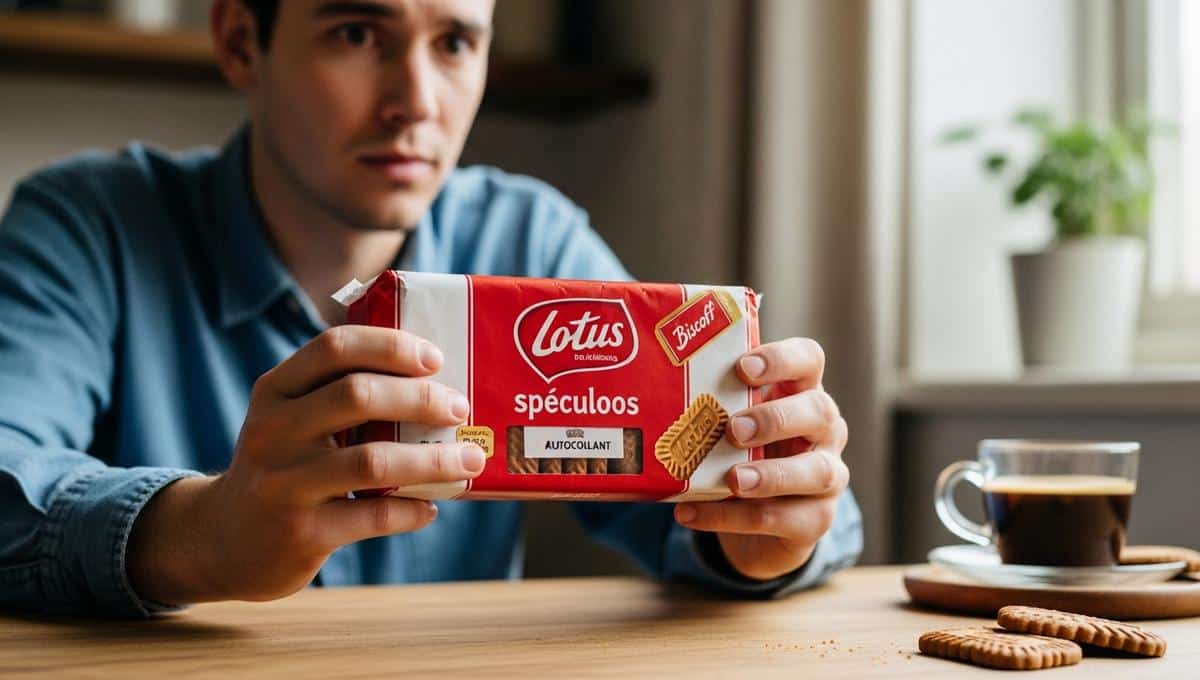
For decades, one name has stood out on breakfast tables and airline trays around the world. Lotus biscuits have become a symbol of Belgian baking tradition, loved by millions across more than 60 countries. Yet in 2026, the iconic brand has announced a historic shift that is already stirring conversation among loyal fans.
A Belgian icon decides to change its name
The Lotus Bakeries group, founded in 1932 in the small town of Lembeke, Belgium, has built its reputation on one simple recipe. That caramelised spéculoos biscuit, with its unmistakable taste and crunchy texture, became a household staple over the course of nearly a century. As a result, the brand grew far beyond its home market and earned a devoted following worldwide.
In early 2026, the company confirmed a major branding decision. The name “Lotus” on many of its products will gradually give way to “Lotus Biscoff” as the single unified brand identity. This means that packaging, marketing campaigns, and even in-store labels will reflect the new direction. For consumers who have always reached for the familiar red wrapper simply labelled “Lotus,” the change may feel surprising at first.
The move is not entirely sudden, however. Lotus Bakeries had already begun using the Biscoff name in several international markets years ago, particularly in the United States and the United Kingdom. The 2026 announcement therefore formalises a transition that started quietly and is now reaching its full scale across Europe and beyond.
« We want one name that unites all our fans, wherever they are in the world. Biscoff is already loved globally, and it is time for the brand to speak with one voice. »
Why the brand chose Biscoff over its original name
The word “Biscoff” is a blend of “biscuit” and “coffee,” a nod to the long tradition of serving spéculoos alongside a hot cup of coffee. Airlines in particular popularised this pairing by offering the small wrapped treats to passengers. Consequently, the Biscoff name resonated more naturally with English-speaking audiences who discovered the product during flights.
To readCurtains: This Simple Change in Your Living Room Can Stop Up to 30% of Heat Loss This WinterFrom a strategic standpoint, having two names for the same product created confusion. In Belgium, France, and the Netherlands, shoppers knew Lotus biscuits under their original label. Meanwhile, consumers in North America and Asia recognised only the Biscoff branding. By consolidating under one identity, the company aims to strengthen its global presence and simplify its marketing efforts.
What this means for the full range of Lotus products
The name change does not affect just the classic biscuit. It touches virtually every item in the Lotus portfolio. The original Lotus spéculoos, available in individual wraps or family-size packs, will carry the Biscoff label going forward. These are the same thin, caramelised treats that started it all, and the recipe itself remains completely untouched.
- The classic spéculoos biscuit recipe will stay identical despite the new branding.
- All packaging across Europe will transition to the Biscoff name during 2026.
- Spread, ice cream, and dessert lines will also adopt the unified identity.
- The familiar red colour scheme and logo design will be preserved.
- Prices are not expected to change as a direct result of the rebranding.
The Lotus spéculoos sandwich range, which features two biscuits filled with vanilla, chocolate, or spéculoos-flavoured cream, will also adopt the Biscoff name. These sandwich biscuits have gained popularity as an indulgent snack, and the company expects the rebrand to boost their visibility in new markets. Fans of these filled treats should therefore notice only the wrapper change, not any difference in taste.
Lotus biscuits have also inspired a wildly popular spread. The Lotus spread, available in both smooth and crunchy versions, turned spéculoos flavour into a versatile kitchen staple. People use it on toast, in baking recipes, and even straight from the jar. Under the Biscoff umbrella, this product line is poised to reach even more shelves worldwide.
Beyond spreads, the brand offers a growing range of Lotus ice creams and desserts. From spéculoos-flavoured ice cream tubs to ready-to-eat dessert cups, these products bring the caramelised taste into frozen and chilled aisles. The unified Biscoff branding should make them easier to spot for shoppers who already love the biscuit but have not yet tried the dessert line.
Lesser-known products join the Biscoff family
Not everyone realises that Lotus also produces pain d’épices, a traditional spiced bread popular in Belgium and northern France. This gingerbread-style product has a loyal niche audience. With the Biscoff rebrand, the company hopes to introduce it to a broader international crowd who might not have encountered it before.
Perhaps the most exciting addition in 2026 is a new filled biscuit featuring two round-shaped spéculoos sandwiched together with a creamy centre. This product marks a departure from the classic rectangular shape that fans have known for generations. Early reactions suggest curiosity and enthusiasm, as the round format feels modern while still delivering that signature caramel crunch.
The transition from Lotus speculoos to Lotus Biscoff on packaging is designed to be gradual. During the rollout period, some packs may carry both names to help consumers adjust. This dual-labelling phase is expected to last several months in certain European countries where the original name holds deep emotional value.
How fans and markets are reacting to the shift
Reactions among long-time fans have been mixed so far. Many Belgian consumers feel a sense of nostalgia for the name they grew up with. For them, “Lotus” alone was enough to evoke childhood memories and family gatherings. Losing that simple label on the front of the pack feels, to some, like losing a small piece of heritage.
On the other hand, younger consumers and international buyers have largely welcomed the change. Social media posts in early 2026 show that many people already call the product “Biscoff” in everyday conversation. For this group, the rebrand simply aligns the official name with what they have been saying all along. The emotional gap, in other words, is generational and geographical.
Retailers appear supportive as well. A single brand name across all markets simplifies shelf placement, promotional campaigns, and supply chain logistics. Store managers no longer need to juggle different packaging versions for the same product. As a result, the transition is expected to proceed smoothly from a commercial perspective.
Lotus biscuits generated over one billion euros in annual revenue in recent years, according to the company’s public financial reports. That figure underscores the scale of this rebranding effort. Every label, advert, and digital asset must be updated, yet the company views this investment as essential for long-term growth. Analysts note that a unified global brand can command stronger recognition, higher loyalty, and more efficient marketing spend.
To readYour Fridge Uses Too Much Energy: This Common Storage Mistake Blocks Cold Air From CirculatingDespite the new name, the heart of the product remains unchanged. The same factory in Lembeke still bakes millions of biscuits each day using the original 1932 recipe. The spices, the caramelised sugar, and the distinctive crunch are all preserved. So while the name on the pack may read “Biscoff” in 2026, what matters most — the taste — stays exactly the same. For anyone who has ever savoured that first bite with a morning coffee, that promise alone should offer reassurance.
Crédit photo © DivertissonsNous