
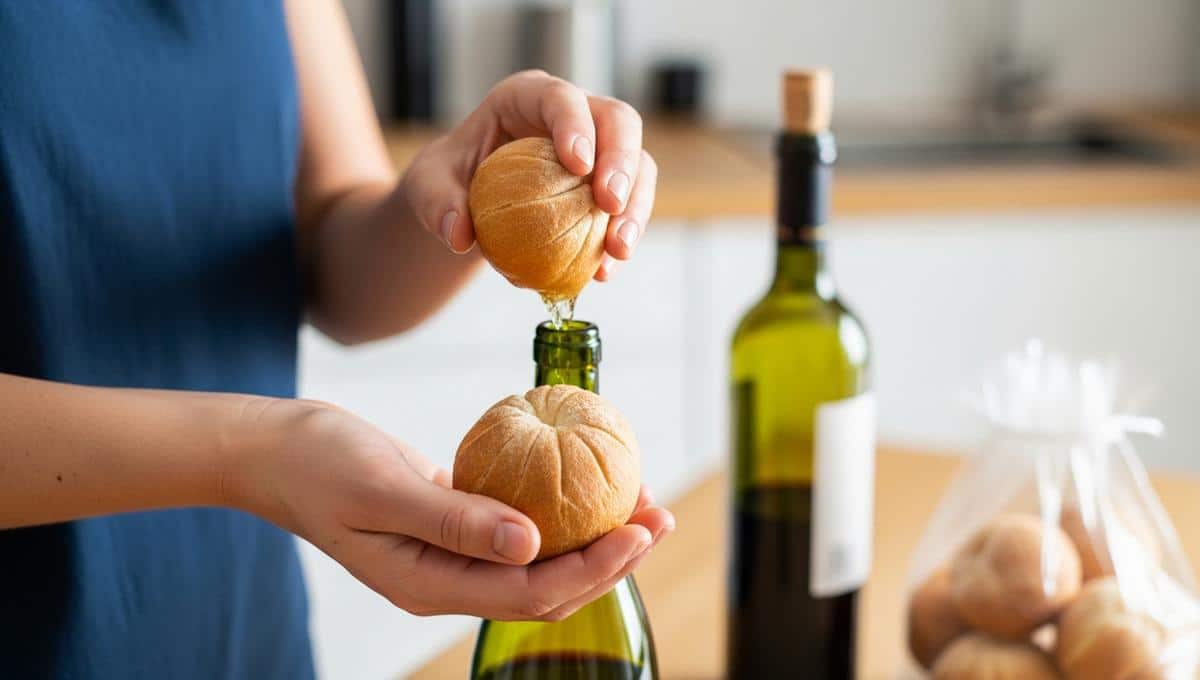
You just popped open a bottle of wine at dinner. The cork stopper sits on the counter, still damp and fragrant. Most people toss it in the trash without a second thought. Yet this small cylinder of natural bark deserves a far better fate — and knowing where to send it can make a real difference for the planet.
Why your cork stopper should never go in the recycling bin
It might seem logical to drop a used cork into the yellow recycling bin. After all, cork comes from a tree, so it should be recyclable at home, right? In reality, sorting centers are not equipped to process this material. A cork stopper mixed with plastics and cardboard disrupts the automated sorting chain and ends up in landfill anyway.
Natural cork is 100 % biodegradable and can be repurposed many times over. However, it must follow a dedicated collection path to reach the right facility. Throwing it into general waste means losing a resource that took a cork oak tree up to nine years to regenerate. By contrast, proper recycling channels transform old stoppers into insulation boards, flooring, and even fashion accessories.
Several European countries already run widespread cork recovery programs. France, Portugal, and Spain lead the way with thousands of drop-off points. As awareness grows in 2026, more regions are joining the effort, making it easier than ever to act responsibly.
« A single cork oak tree can be harvested around fifteen times during its lifespan, yet the material we strip from it still ends up in the garbage far too often. »
Where to bring your used corks for proper recycling
Specialized collection bins now appear in wine shops, organic grocery stores, and even some supermarkets. Organizations like France’s association “Agir pour le Liège” coordinate these networks. They gather corks, sort them, and ship them to processing plants where the material begins a second life.
To readCurtains: This Simple Change in Your Living Room Can Stop Up to 30% of Heat Loss This WinterYou can also check with your local waste management office. Many municipalities have added cork to their list of accepted items at community recycling centers. Simply store your corks in a small bag at home and drop them off on your next trip. The process requires almost no extra effort once you know where to go.
- Wine shops and cellar boutiques often host cork collection bins near the entrance.
- Organic and eco-friendly stores frequently partner with recycling associations.
- Municipal recycling centers may accept cork in a separate container.
- Some charities collect corks to fund social and environmental projects.
- Online directories can help you locate the nearest drop-off point in seconds.
The environmental stakes behind every tiny piece of bark
Cork oak forests cover roughly 2.2 million hectares across the western Mediterranean. These woodlands absorb massive amounts of carbon dioxide each year. Harvesting bark actually stimulates the tree to capture even more CO₂, making the cork industry one of the rare sectors where production directly benefits the ecosystem.
When a cork stopper reaches a recycling plant, it is ground into granules. Those granules are then pressed and bonded to create new products. Insulation panels made from recycled cork offer excellent thermal and acoustic performance. Builders across Europe increasingly choose them for green construction projects in 2026.
Beyond building materials, recycled cork finds its way into yoga blocks, coasters, handbags, and shoe soles. Designers value its light weight, natural texture, and durability. As a result, demand for reclaimed cork keeps rising, which in turn funds more collection programs and protects more forests.
The cycle is remarkably efficient. Almost nothing goes to waste during reprocessing, since even fine cork dust can serve as biomass fuel. This closed-loop approach sets an example for other natural materials that still lack robust recycling networks.
Natural versus synthetic: what really matters at the end of the meal
Not every bottle uses a natural cork stopper. Synthetic closures made from plastic or silicone look similar but follow entirely different disposal rules. These alternatives belong in the regular recycling bin with other plastics — never in a cork collection point. Mixing the two contaminates the batch and hampers the process.
You can tell them apart quickly. A natural cork feels lighter, shows an irregular grain pattern, and smells faintly of wood. Synthetic versions tend to be uniform in color, slightly rubbery, and odorless. Keeping this distinction in mind takes only a moment, yet it safeguards the quality of recycled material downstream.
Screw caps present yet another scenario. Made of aluminum, they should go straight into the metal recycling stream. So before you discard any bottle closure, a brief check of the material saves sorting headaches later. This small habit, adopted by millions, can reshape the waste landscape considerably.
Simple habits that turn a tiny object into a big impact
Start by placing a jar or cloth bag in your kitchen. Each time you open a bottle sealed with a cork stopper, drop it in. Once the container is full, bring it to the nearest collection point. The routine takes less than a minute per week and prevents dozens of corks from reaching the landfill each year.
Encourage friends and family to do the same. A dinner party that produces five or six corks is the perfect occasion to spread the word. Many people simply do not know that dedicated bins exist. Sharing that knowledge multiplies the impact far beyond your own household.
To readYour Fridge Uses Too Much Energy: This Common Storage Mistake Blocks Cold Air From CirculatingRestaurants and bars can play an even larger role. A single busy wine bar generates hundreds of corks every month. Partnering with a recycling association costs nothing and provides positive visibility. In 2026, consumers increasingly favor businesses that show genuine care for the environment.
Every cork stopper you save from the trash feeds a virtuous cycle: forests thrive, new products emerge, and waste shrinks. The gesture is modest, yet the collective result is anything but small. Next time you hear that satisfying pop, remember — the story of that little piece of bark is only beginning.
Crédit photo © DivertissonsNous