
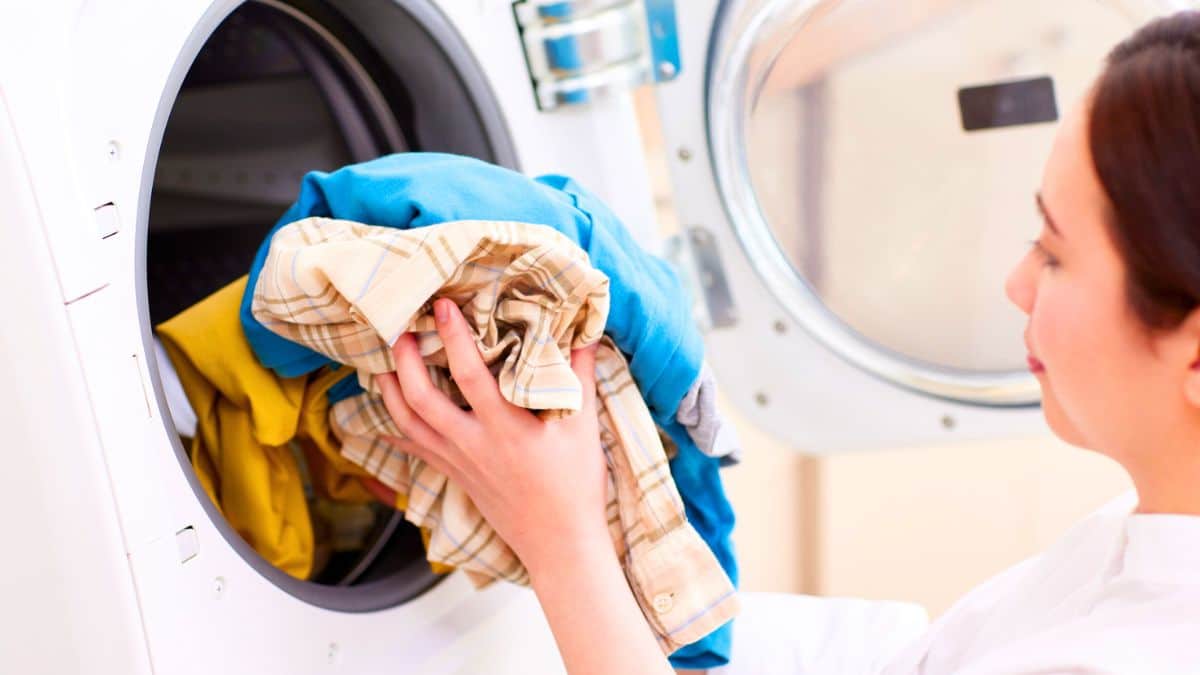
You probably don’t think twice about what you do right after a wash cycle ends. Yet this small, seemingly harmless habit could be the reason your washing machine smells bad and wears out faster than it should. In 2026, more households are paying attention to how they handle their laundry routine — and the moments after the cycle matter just as much as the wash itself.
Why closing the door after a wash cycle causes real damage
Most people shut the washing machine door as soon as they pull out the clean clothes. It feels natural and tidy. However, this reflex traps moisture inside the drum, the rubber gasket, and the detergent drawer. Over time, that trapped humidity becomes a breeding ground for mold and bacteria.
The result is a musty smell that clings to your freshly washed fabrics. You might add more detergent or fabric softener to mask it, but that only makes the problem worse. Residue builds up in hidden corners of the machine, and the odor cycle repeats itself week after week.
Appliance repair professionals consistently point to this habit as one of the top causes of premature machine failure. Rubber seals degrade faster in damp conditions. Internal components corrode when they never get a chance to dry out properly between uses.
The hidden cost of excess moisture on your machine
A washing machine is designed to handle water during a cycle, not to store it afterward. When the door stays closed, water pools in the bottom of the drum and along the gasket folds. Consequently, limescale deposits form more quickly, and rubber parts lose their elasticity within just a few years.
« Leaving the door and detergent drawer open for at least two hours after each cycle can extend a washing machine’s lifespan by several years. »
Replacing a worn gasket or a corroded pump can cost between €80 and €250 depending on the brand. In many cases, homeowners choose to replace the entire machine instead of repairing it. A simple change in post-wash habits could save hundreds of euros over a decade.
To readThese Vegetables Grow Perfectly in Your Kitchen in Just a Few Weeks: Here Is What to Plant in 2026Mold inside the machine also poses a health concern. Spores can transfer onto clothing and irritate sensitive skin or airways. For households with young children or allergy sufferers, this is far from a minor issue.
Simple steps to keep your washing machine fresh and efficient in 2026
The fix is surprisingly easy. After every laundry load, leave the machine door wide open. Do the same with the detergent compartment. Air circulation is the most effective weapon against moisture buildup and bad odors.
- Leave the door and detergent drawer open for at least two hours after each cycle.
- Wipe down the rubber gasket with a dry cloth to remove standing water.
- Run an empty hot cycle at 90 °C once a month with white vinegar or a machine cleaner.
- Avoid overusing liquid detergent and fabric softener, which leave sticky residues.
- Check and clean the drain filter every four to six weeks to prevent blockages.
These habits take less than five minutes per wash. Still, they make a dramatic difference over the course of a year. Machines that receive this basic care tend to last 10 to 15 years, while neglected ones often fail within 6 or 7.
Another useful tip involves the detergent itself. Many people pour far more product than the laundry actually needs. Modern machines and concentrated formulas require smaller doses. Excess soap doesn’t clean better — it simply coats the interior with a film that traps dirt and odor.
Running a monthly maintenance cycle is equally valuable. Use either white vinegar or a dedicated washing machine cleaner at the highest available temperature. This dissolves grease, limescale, and bacterial colonies that regular washes cannot reach.
When to switch from liquid detergent to powder or pods
Liquid detergent is popular because it dissolves quickly and works well at low temperatures. On the other hand, it contributes more to residue buildup than powder or pods. If your machine often smells damp despite airing it out, switching formats could solve the problem.
Powder detergent contains mild abrasives that help scrub the inside of the drum during each laundry cycle. Pods offer precise dosing, which reduces the risk of overuse. Both options are widely available and competitively priced in 2026.
Whichever format you choose, always follow the dosage guide on the packaging. More product does not mean cleaner clothes. In fact, under-dosing slightly is often preferable to pouring too much, as long as you treat stains before loading the machine.
Protecting your clothes and your machine at the same time
A well-maintained washing machine doesn’t just last longer — it also treats your clothes more gently. Mold and residue inside the drum can leave gray marks or faint stains on light fabrics. Over time, abrasive buildup damages fibers and dulls colors.
By keeping the interior clean and dry, you protect both the appliance and your wardrobe. Towels stay fluffy, whites remain bright, and synthetic fabrics keep their shape. These are small wins that add up to meaningful savings on clothing replacement costs.
Temperature choice matters as well. Washing everything at 30 °C saves energy, yet it doesn’t kill bacteria or dissolve grease effectively. Alternating between cold washes for everyday items and occasional hot washes for towels and bedding strikes the right balance.
To readWhat you do right after every laundry cycle causes bad odors and premature washing machine wearPaying attention to what happens after each laundry session is one of the easiest upgrades you can make in your household routine. No special tools, no expensive products — just a door left open and a quick wipe. Your machine, your clothes, and your wallet will all benefit from this one small shift in habit.
Crédit photo © DivertissonsNous