
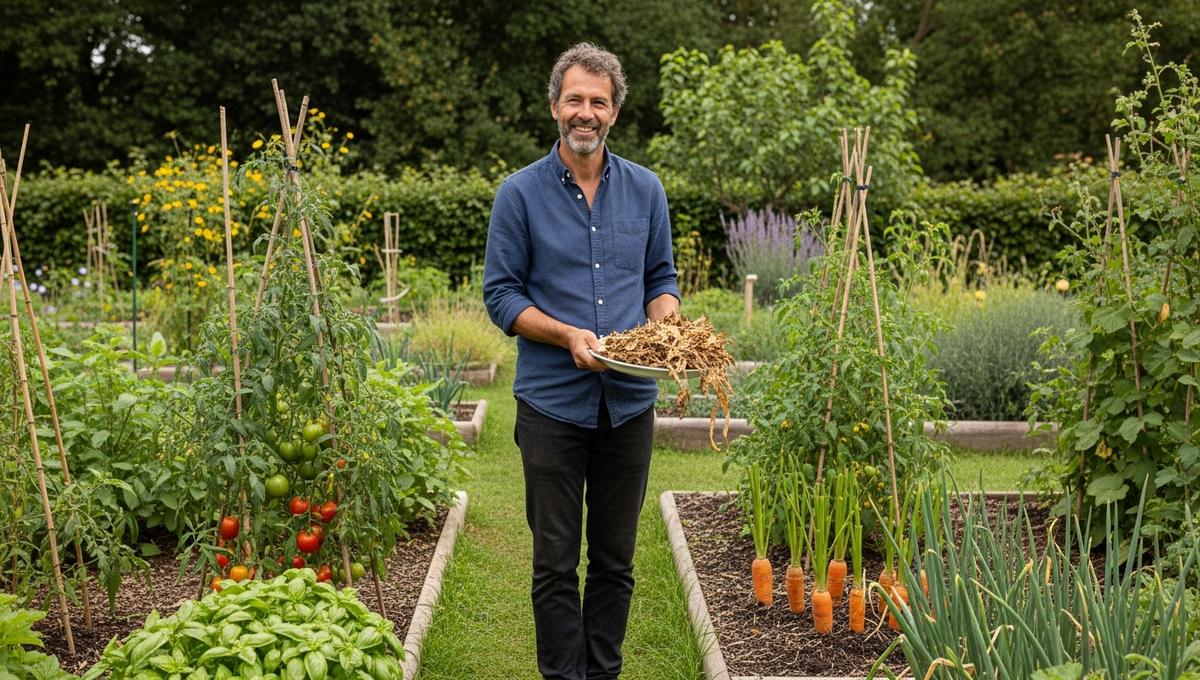
If you thought you already knew everything about gardening, think again. Three permaculture methods are quietly changing the way home growers approach their plots in 2026. These techniques challenge old habits and offer a fresh path toward more resilient, productive green spaces.
Why traditional approaches no longer feel enough
For years, many of us relied on the same routines: tilling the soil each spring, adding synthetic fertilizers, and fighting weeds with brute force. Yet these habits often exhaust the earth rather than nourish it. As a result, yields shrink over time, and the joy of growing food slowly fades.
Permaculture flips this script entirely. Instead of working against nature, it asks us to observe and cooperate with natural cycles. In practice, this means less effort for the gardener and more vitality for the soil beneath our feet.
More people are now turning to these principles, not out of trend, but out of necessity. Droughts, unpredictable weather, and rising costs push growers to seek smarter, more sustainable solutions. Gardening in 2026 demands adaptability above all else.
« I spent twenty years tending my vegetable patch the conventional way, only to realize that nature had a better plan all along. »
Mulching as a foundation for healthy soil
The first permaculture method worth adopting is deep mulching. By covering bare soil with layers of organic matter—straw, wood chips, dead leaves—you create a protective blanket. This layer retains moisture, suppresses weeds, and feeds beneficial organisms living underground.
To readThese Vegetables Grow Perfectly in Your Kitchen in Just a Few Weeks: Here Is What to Plant in 2026Consequently, the soil structure improves season after season without any digging. Earthworms thrive, fungi networks expand, and nutrients cycle naturally. You spend less time watering and weeding, which frees up energy for other tasks in the garden.
Deep mulching also acts as a temperature buffer. During hot spells, roots stay cool and hydrated. In colder months, the insulating layer protects fragile root systems from frost damage.
- Spread 10 to 15 centimeters of organic mulch around plants each season
- Avoid using treated or dyed wood chips near edible crops
- Combine straw with compost for a nutrient-rich top layer
- Leave mulch in place year-round rather than removing it in spring
- Monitor moisture levels—over-mulching in wet climates can encourage slugs
Companion planting: letting plants protect each other
The second method revolves around companion planting, a cornerstone of permaculture design. Certain plants, when grown side by side, naturally repel pests or attract pollinators. For instance, basil planted near tomatoes can deter aphids while boosting flavor at the same time.
This approach reduces the need for chemical treatments dramatically. Rather than reaching for a spray bottle, you let biodiversity do the heavy lifting. In turn, your plot becomes a balanced ecosystem where each species plays a role.
Companion planting also maximizes space. Tall crops like corn provide shade for lettuce below, while climbing beans use the stalks as natural supports. This layered gardening strategy mirrors the way forests grow—dense, diverse, and self-sustaining.
Getting started is simpler than it sounds. Begin with well-documented pairings such as carrots and onions, or marigolds and squash. Over time, you will notice which combinations work best in your specific microclimate and soil type.
Water management through swales and rain capture
The third method addresses a resource we often waste: water. Permaculture encourages the use of swales—shallow trenches dug along contour lines—to slow rainwater runoff. Instead of flowing away, water sinks gently into the ground where roots can access it for weeks.
On top of that, rain barrels and simple gravity-fed systems complement swales perfectly. A single 200-liter barrel connected to a gutter can supply a small raised bed through an entire dry spell. These setups require minimal investment yet deliver lasting results.
Water-smart design transforms how we think about irrigation. Rather than relying solely on a hose, we work with the landscape. Slopes become assets, and every rain shower turns into stored potential for the days ahead.
Putting these permaculture methods into practice in 2026
Adopting all three techniques at once can feel overwhelming. A better path is to start small—perhaps with mulching a single bed this season. Once you see the difference in soil quality, motivation to expand comes naturally.
To readPermaculture gardening: 3 methods that changed how I grow everything in my backyardPlanning matters just as much as action. Sketch your plot on paper, note sun exposure, and identify low spots where water collects. These observations form the foundation of any permaculture-inspired gardening layout.
Community knowledge accelerates progress as well. Local growing groups, seed swaps, and shared composting projects offer hands-on learning that no book can replace. Many towns across Europe and North America now host free permaculture workshops open to beginners.
Patience remains the most underrated skill in this journey. Soil does not heal overnight, and ecosystems take seasons to stabilize. Still, every small change—a handful of mulch, a row of companion herbs—moves your garden closer to a thriving, self-renewing space that rewards you year after year.
Crédit photo © DivertissonsNous