
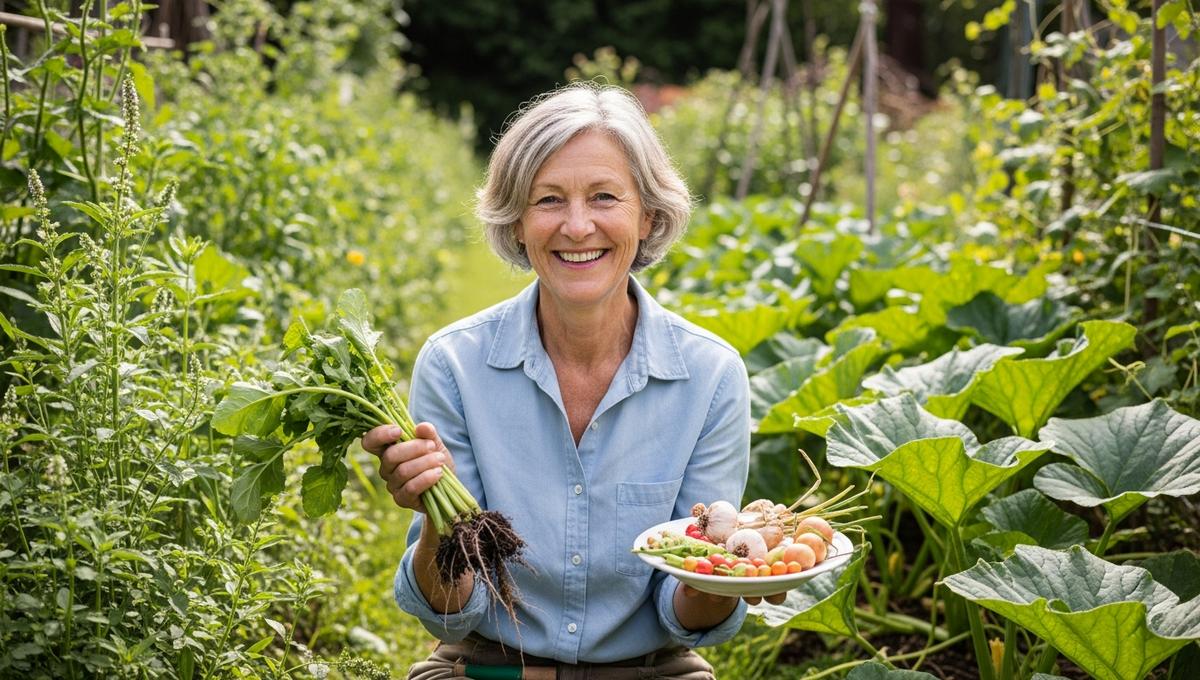
Every spring, millions of gardeners rush to fill their plots with the same popular crops. Yet some of these beloved vegetables demand far more effort, space, and patience than the harvest they deliver. In 2026, it might be time to rethink what truly deserves a spot in your garden.
Why some popular vegetables aren’t worth the effort
Home gardening has surged in recent years, driven by a desire for fresh food and self-sufficiency. As a result, seed sales keep climbing and community plots are fully booked in many cities. The dream of picking ripe produce from your own soil is powerful and deeply satisfying.
However, not every crop rewards your hard work equally. Certain plants take up large amounts of space for a modest yield. Others require constant care, pest management, or specific soil conditions that frustrate even experienced growers.
The cost of seeds, fertilizer, and water can also add up quickly. When you compare the final harvest to what you’d spend at a local market, the math sometimes falls short. Knowing which crops offer the best return helps you garden smarter, not harder.
Corn, celery, and other space hogs
Sweet corn is one of the most planted backyard crops, yet it needs a large block of plants for proper pollination. A single row rarely produces full ears. For small gardens, the space it consumes could grow dozens of more productive plants instead.
« The best garden is not the biggest one — it’s the one where every square meter earns its place on your plate. »
Celery presents a similar challenge. It demands consistent moisture, rich soil, and a long growing season. Despite all that attention, the stalks you harvest often pale next to the cheap, crisp bunches sold year-round at any grocery store.
To readThese Vegetables Grow Perfectly in Your Kitchen in Just a Few Weeks: Here Is What to Plant in 2026Asparagus is another example worth mentioning. While delicious, it takes two to three years before you can pick the first spear. Moreover, each plant only produces for a few weeks in spring. Patience is a virtue, but your garden beds sit occupied the entire time.
Ten common crops that often disappoint home growers
Beyond corn and celery, several other vegetables frequently let gardeners down. Cauliflower is notoriously fussy, needing cool temperatures and protection from sun to form a proper head. One heat wave can ruin an entire season’s effort in a matter of days.
Artichokes look dramatic in the garden, yet they demand enormous space. In most climates, they behave as annuals, so you start over each year. The edible portion of each flower is surprisingly small relative to the plant’s massive footprint.
- Corn — needs block planting and heavy feeding for decent ears
- Celery — requires constant moisture and a very long season
- Cauliflower — extremely sensitive to heat and light exposure
- Artichokes — huge plants with a low edible-to-size ratio
- Melons — sprawling vines that need warmth most regions can’t guarantee
Melons, for instance, send vines running several meters in every direction. They also crave heat and a long frost-free window. In cooler or shorter-season areas, the fruit often fails to ripen before autumn arrives.
Head lettuce may seem simple, yet it bolts fast in warm weather, turning bitter overnight. Loose-leaf varieties, by contrast, tolerate heat better and let you cut leaves over many weeks. A small swap like this can transform your salad supply.
Potatoes and onions: cheap at the store, costly in the bed
Potatoes are among the most satisfying vegetables to dig up, and many growers plant them for the fun factor alone. Still, they’re prone to blight, need hilling, and occupy prime garden real estate for months. Meanwhile, a large bag costs very little at any supermarket.
Onions tell a similar story. They grow slowly, taking up row space from early spring well into summer. Unless you cultivate specialty heirloom types unavailable in stores, the savings rarely justify the effort. Your garden time could go toward higher-value crops instead.
Pumpkins also fall into this category. Their sprawling habit can overtake half a small garden. Although they’re festive in autumn, a single plant may yield just one or two usable fruits after months of growth and watering.
Smarter choices for a more rewarding garden in 2026
So what should fill the space these underperformers leave behind? Cherry tomatoes, herbs, and climbing beans deliver generous harvests in compact areas. They also tend to cost more per unit at the store, which makes growing them at home a genuine saving.
Leafy greens like kale and Swiss chard are hardy, fast-growing, and cut-and-come-again. As a result, a few plants can feed a family for an entire season. They also thrive in containers, making them ideal for balconies or patios.
Peppers and zucchini round out a productive lineup. Both love summer heat and reward consistent picking with even more fruit. By focusing on these high-yield options, you spend less time troubleshooting and more time enjoying your vegetables fresh from the soil.
To readCold-hardy vegetables deliver early spring harvests when planted in January despite frostUltimately, the goal isn’t to avoid challenging crops forever. It’s about matching your available space, climate, and schedule with plants that truly pay off. In 2026, gardeners who plan with intention will harvest more flavor, more nutrition, and far less frustration from every square meter they tend.
Crédit photo © DivertissonsNous