
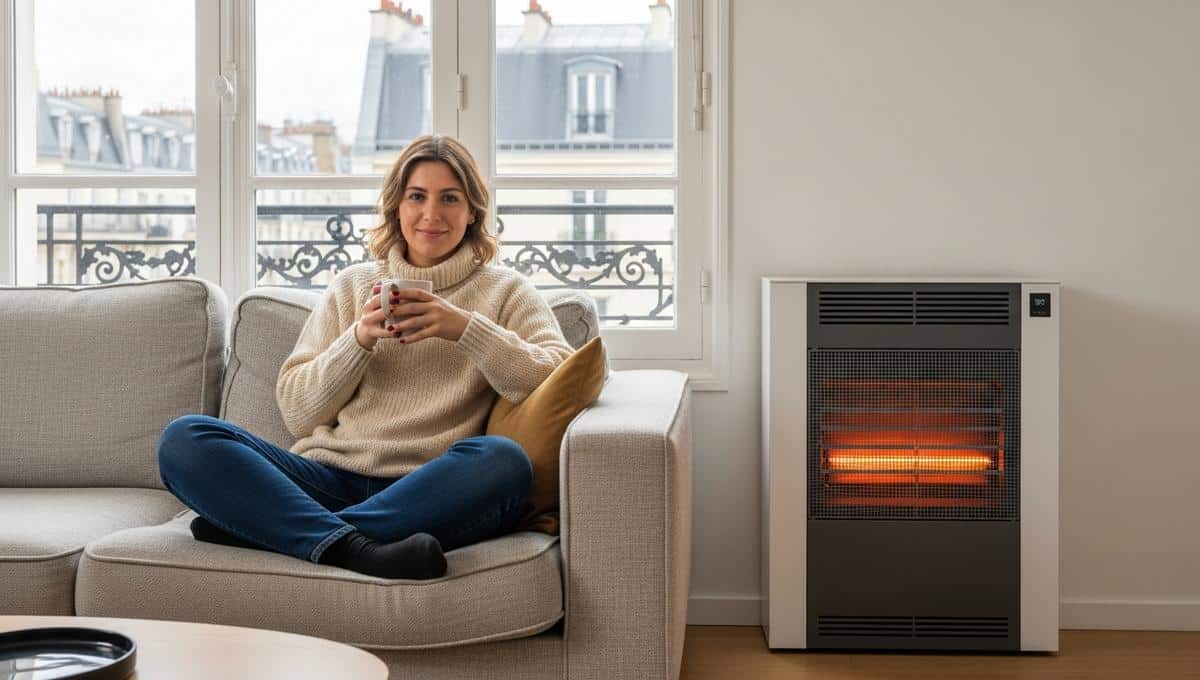
When the cold creeps in and your main system struggles to keep up, a reliable backup can make all the difference. Millions of households across Europe now rely on auxiliary heating to bridge that gap during the harshest weeks of winter. Yet choosing the right option is far from simple, as energy costs keep rising and efficiency standards evolve.
Why so many homes need a secondary heat source
Central heating systems are designed to cover average demand. During extreme cold snaps, however, they often fall short. Rooms far from the boiler or poorly insulated spaces lose warmth faster than the system can replace it.
In older buildings, this problem is even more common. Drafty windows and thin walls force residents to seek extra warmth just to stay comfortable. As a result, portable or fixed supplementary heaters have become a staple in many European homes.
Energy prices in 2026 remain a major concern for families on tight budgets. Running an oversized central unit at full power all day is costly. A targeted secondary device, by contrast, can warm a single room for a fraction of the price.
The real cost of staying warm
According to recent energy-use data, heating accounts for roughly 60 to 70 percent of a typical household’s energy bill. Even a small improvement in how you heat your home can lead to noticeable savings over a full season. That is why picking the right auxiliary heating device matters so much.
« The most efficient supplementary heater is the one that matches your room size, insulation level, and daily habits — not simply the one with the highest wattage. »
Many consumers still buy the cheapest unit on the shelf without checking its rated output or energy class. This often leads to disappointment: the heater either fails to warm the space or consumes far more electricity than expected. A bit of research before purchase can prevent both outcomes.
Comparing the main types of supplementary heaters
Several technologies compete for attention on the market today. Each comes with its own strengths and trade-offs. Understanding them helps you invest wisely rather than guess blindly.
To readWhat you do right after every laundry cycle causes bad odors and premature washing machine wearElectric convectors are the most widespread choice. They heat air directly and warm a room within minutes. On the other hand, they tend to dry the air and consume significant electricity when used for long periods.
- Oil-filled radiators — retain heat longer and provide gentle, steady warmth
- Ceramic fan heaters — compact, fast, and suited to very small rooms
- Infrared panels — heat objects and people directly, reducing wasted energy
- Pellet stoves — use renewable biomass fuel and offer high efficiency ratings
- Gas catalytic heaters — portable and powerful, but require proper ventilation
Oil-filled radiators stand out for their silent operation and gradual heat release. Once they reach the target temperature, they cycle off and coast on stored thermal energy. This makes them a smart pick for bedrooms and home offices.
Infrared panels, meanwhile, are gaining popularity in well-insulated modern flats. Because they warm surfaces instead of air, less energy escapes through drafts. They also take up very little wall space, which suits compact living areas.
Pellet stoves: a growing trend in 2026
Among all auxiliary heating options, pellet stoves have seen the steepest rise in demand over recent years. Their fuel — compressed wood pellets — is both renewable and widely available. Modern units can reach efficiency ratings above 90 percent, which far exceeds most electric alternatives.
Installation does require a flue or vent, so they are not suitable for every home. Still, for houses with the right setup, they combine low running costs with a cozy ambiance that electric devices simply cannot replicate. Government incentives in several countries also help offset the initial investment.
Safety is another factor worth noting. Pellet stoves feature automatic fuel feed and thermostat controls. As a result, they pose fewer risks than open-flame gas heaters when operated according to the manufacturer’s guidelines.
How to choose the best option for your situation
Before spending money, measure the room you want to heat. A 10-square-metre bedroom and a 30-square-metre living room require very different outputs. Oversizing wastes energy, while undersizing leaves you cold.
Next, consider how often you will use the device. If you need auxiliary heating only on the coldest mornings, a small ceramic fan heater may suffice. For daily evening use over several months, an oil-filled radiator or infrared panel offers better long-term value.
To readClean walls and ceilings in minutes with this effortless technique that leaves them spotlessInsulation quality plays a decisive role as well. A well-sealed room holds warmth far longer, so even a modest heater can keep it comfortable. In contrast, a drafty attic room will swallow energy no matter which technology you choose. Addressing insulation gaps first is therefore the smartest investment of all.
Finally, always check the energy label and annual consumption estimate before buying. In 2026, EU regulations require clear labelling on most portable heaters. This transparency empowers you to compare models on equal terms and pick the unit that truly saves money over time. With the right auxiliary heating strategy, staying warm no longer has to mean dreading the next energy bill.
Crédit photo © DivertissonsNous