
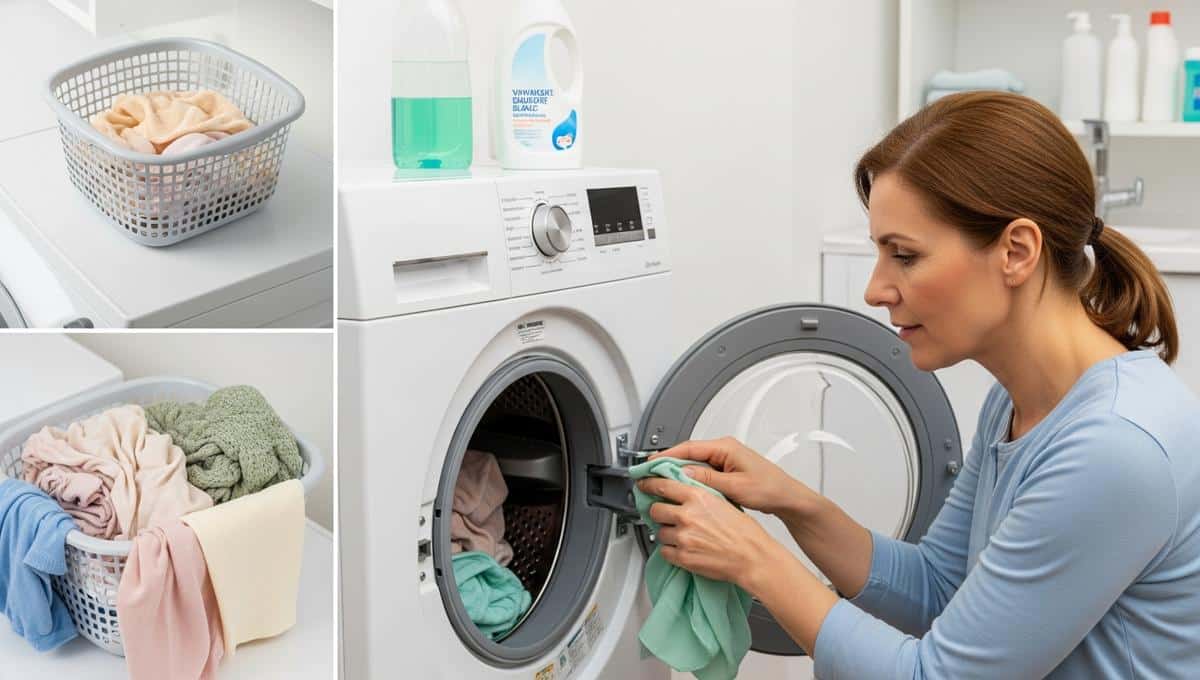
You just finished a load of laundry, pulled out the clean clothes, and walked away. That simple habit, repeated week after week, might be the hidden cause of bad smells and early wear on your machine. Yet a few small changes can make a real difference.
Closing the door is the most common mistake
Most people shut the washing machine door as soon as the cycle ends. It feels natural and tidy. However, this traps moisture inside the drum and the rubber gasket. Over time, that trapped dampness creates the perfect home for mold and bacteria.
In fact, a closed drum can stay damp for over 24 hours after a single wash. Warm, dark, and wet conditions speed up microbial growth. As a result, you may notice a musty smell that clings to your next batch of fresh clothes. The odor often gets worse during humid summer months.
Many households only react once the stench becomes hard to ignore. By that point, mold may have settled deep into the gasket folds. Cleaning it then requires much more effort, and sometimes professional help. So the best strategy is prevention from the start.
« Leaving the door and the detergent drawer open after each cycle allows air to circulate and prevents most odor problems before they begin. »
Why the detergent drawer matters just as much
The soap dispenser is another spot people tend to forget. Residue from liquid detergent and fabric softener builds up quickly inside the tray. Consequently, this residue becomes a sticky layer where bacteria thrive. Pulling the drawer out slightly after each wash helps it dry.
To readAuxiliary heating: the most efficient type that actually saves energy in 2026Once a month, remove the drawer and rinse it under warm water. A soft brush can clear stubborn buildup in the corners. This simple routine takes less than two minutes. Yet it can add years to the life of your appliance.
Hidden damage that shortens your machine’s lifespan
Bad odors are only the surface problem. Beneath them, persistent moisture attacks rubber seals and metal parts. Corrosion and gasket decay are among the top reasons machines fail within five to seven years, according to appliance repair data. Proper ventilation after each cycle slows this process greatly.
Limescale is another silent threat, especially in hard-water areas. Mineral deposits coat the heating element and reduce its performance. Therefore, the machine uses more energy to reach the same temperature. Your electricity bill rises while cleaning results drop.
- Leave the door ajar after every wash to let moisture escape
- Pull the detergent drawer open so it dries fully
- Wipe the rubber gasket with a dry cloth once a week
- Run an empty hot cycle with white vinegar once a month
- Check and clean the drain filter every six to eight weeks
Running a maintenance cycle at 60 °C or higher with no clothes inside helps dissolve grease and soap residue. Adding a cup of white vinegar during this cycle boosts the cleaning effect. Do this monthly for best results. Your drum will stay fresher, and so will every load you wash.
Another often-ignored step is checking the drain filter. Lint, coins, and small fabric fibers collect there over time. A clogged filter forces the pump to work harder, which can lead to motor strain. Clearing it regularly is one of the easiest ways to protect your investment.
How temperature choices affect odor buildup
Modern laundry habits lean toward cold or lukewarm washes to save energy. While this is great for the planet, low temperatures do not kill bacteria as well. Consequently, biofilm can form inside the drum if every cycle stays below 40 °C. Alternating with a hot wash once or twice a month breaks this cycle.
Heavily soiled items like towels and bedding benefit from higher temperatures anyway. At 60 °C, most common household bacteria are destroyed. This practice keeps both your textiles and your machine in better shape. It also reduces the need for harsh chemical cleaners.
Small daily habits that protect your washing machine in 2026
Beyond leaving the door open, a few more routines can help. Remove wet clothes promptly once the cycle finishes, because leaving them inside for hours feeds mold growth. Also, avoid overloading the drum; excess weight strains bearings and suspension springs. A balanced load cleans better and causes less mechanical stress.
Measuring detergent carefully matters more than most people think. Too much soap does not mean cleaner clothes. Instead, it leaves residue on fabric and inside the machine. Over time, that buildup becomes a breeding ground for odor-causing bacteria. Follow the dosage guide on the packaging for the best outcome.
To readClean walls and ceilings in minutes with this effortless technique that leaves them spotlessYour laundry routine in 2026 does not need to be complicated. A few mindful steps—open the door, wipe the seal, clean the filter—go a long way. These habits cost nothing, yet they can prevent expensive repairs down the road. Fresh-smelling clothes and a longer-lasting machine are worth that small effort after every wash.
Paying attention to what happens after the spin cycle is just as valuable as choosing the right program. The moments right after laundry ends set the stage for your machine’s health. By adopting these practices now, you protect both your appliance and the quality of every garment it cleans.
Crédit photo © DivertissonsNous