
You walk into your kitchen or bathroom, and a foul odor hits you right away. That unpleasant whiff rising from the drain can ruin your entire morning. Bad smells coming from your sink are far more common than you might think, yet the solution is surprisingly easy.
Why does your sink suddenly smell so terrible?
The main cause lies just beneath your drain. Every sink has a curved pipe called a siphon, and its job is to trap water. This small water seal normally blocks sewer gases from entering your home. However, when debris builds up inside, the system fails.
Hair, grease, soap residue, and food particles gradually accumulate in the siphon. Over time, this organic matter starts to decompose. As a result, bacteria thrive and produce that rotten-egg stench you dread. The problem tends to get worse during warm months, since heat speeds up the decay process.
In some cases, the siphon dries out entirely. This happens when a sink goes unused for several days or weeks. Without that protective water barrier, bad smells from the sewer rise freely through the open pipe. A holiday home or guest bathroom is particularly vulnerable to this issue.
« A clean siphon is the single most effective barrier between your living space and the sewer system beneath it. »
How a dry or clogged siphon creates persistent odors
When the water seal evaporates, nothing stands between you and the municipal sewer line. Gases like hydrogen sulfide travel upward with ease. Consequently, you may notice the stench even in rooms far from the affected sink. Proper ventilation alone will not fix the root cause.
To readAuxiliary heating: the most efficient type that actually saves energy in 2026A partial clog is even trickier to detect. Water still drains, so you assume everything works fine. Yet a layer of greasy sludge coats the inside of the pipe, slowly fermenting. This hidden buildup is the number one reason bad smells persist despite regular cleaning of the visible drain.
The one simple gesture that eliminates the problem
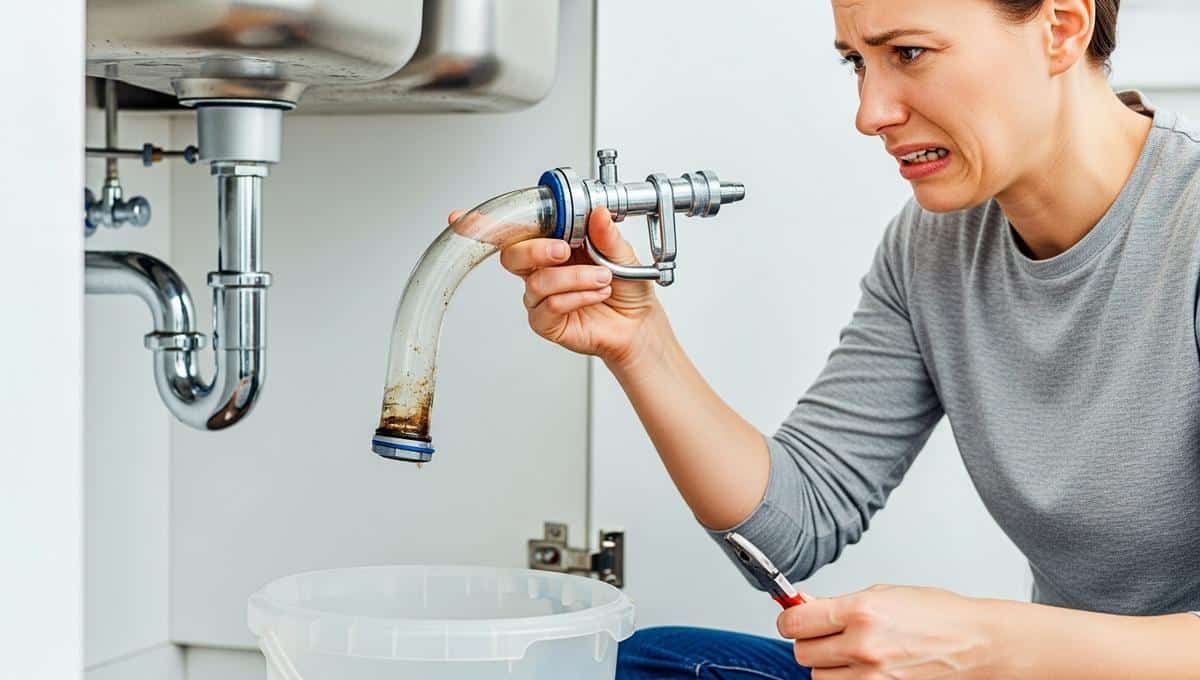
Emptying and cleaning your siphon takes less than ten minutes. First, place a bucket under the curved pipe beneath the sink. Then, carefully unscrew the siphon by hand or with a wrench. Let the trapped water and debris fall into the bucket below.
Next, rinse the siphon thoroughly under a separate tap. For a deeper clean, mix one liter of hot water with two tablespoons of baking soda. Pour this solution through the pipe to dissolve any remaining grease or residue. This natural mixture neutralizes odor-causing bacteria without harsh chemicals.
- Place a bucket beneath the siphon before unscrewing it
- Remove trapped hair, grease, and food particles by hand
- Rinse the siphon with hot water and baking soda
- Check the rubber seals for cracks or wear before reassembly
- Run water for thirty seconds after reattaching to restore the water seal
Once everything looks clear, screw the siphon back into place. Make sure the rubber gaskets sit properly to avoid leaks. Then run the tap for about thirty seconds. This restores the water seal and immediately blocks any sewer gas from rising again.
Performing this routine once every two to three months keeps bad smells from returning. For kitchen sinks, where grease builds up faster, a monthly cleaning may be more appropriate. The effort is minimal, yet the difference in air quality is dramatic.
Natural alternatives to keep drains fresh between deep cleans
Between siphon cleanings, a few preventive habits go a long way. Pour boiling water down the drain once a week to melt grease deposits. Similarly, a half-cup of white vinegar followed by a handful of baking soda creates a gentle foaming action. This combination breaks down early-stage buildup before it becomes a problem.
Avoid pouring cooking oil or coffee grounds into the sink. These substances are among the worst offenders for clogged and smelly drains. Instead, wipe greasy pans with a paper towel before washing them. By doing so, you drastically reduce the organic matter reaching your siphon.
Mesh drain covers are another smart and cheap addition. They catch hair and large particles before anything enters the pipe. As a result, your siphon stays cleaner for much longer. You can find them in most home stores for just a few euros or dollars.
When bad smells signal a bigger plumbing issue
Sometimes, cleaning the siphon is not enough. If the odor returns within days, a deeper blockage in your home’s main drain line may be the cause. Likewise, a damaged or improperly installed vent pipe can allow sewer gases to bypass the siphon entirely. In these situations, a professional plumber should inspect the system.
Cracked pipes hidden behind walls can also let bad smells seep into your rooms. Older homes built before modern plumbing codes are especially at risk. Therefore, if you live in a property that is several decades old, consider a full plumbing inspection. Early detection prevents costly repairs down the road.
To readClean walls and ceilings in minutes with this effortless technique that leaves them spotlessPersistent foul odors may even pose health concerns. Sewer gases contain methane and hydrogen sulfide, both of which can cause headaches and nausea at high concentrations. For that reason, never ignore a drain smell that lingers after a thorough cleaning. Your comfort and well-being depend on a properly sealed plumbing system.
Addressing bad smells at the source is always more effective than masking them with air fresheners. A ten-minute siphon cleaning, combined with smart daily habits, keeps your home smelling fresh throughout 2026 and beyond. The fix is simple, the tools are basic, and the relief is immediate.
Crédit photo © DivertissonsNous