
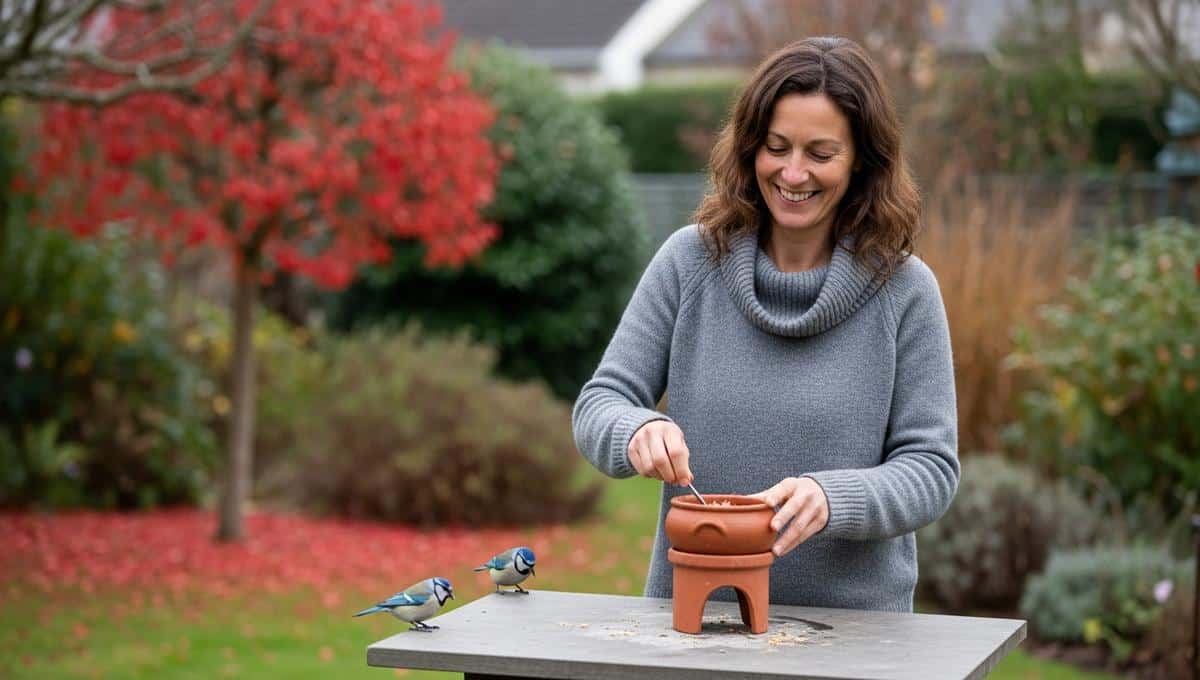
Every year, as temperatures drop across Europe, millions of garden birds struggle to find enough food to survive. Helping the birds in winter has become a growing concern for nature lovers, yet many still rely on outdated habits that do more harm than good. A simple Japanese-inspired approach is now gaining traction — and it may challenge what you thought you knew about feeding wildlife.
Why garden birds need our support more than ever
Winter can be brutal for small birds such as robins, blue tits and sparrows. In fact, some species lose up to 10 % of their body weight in a single cold night. Without steady access to high-energy food, many simply do not make it to spring. As a result, backyard feeding stations have become lifelines in suburban and rural areas alike.
Across France and the UK, bird populations have declined sharply over the past two decades. Habitat loss, pesticides and climate shifts all play a role. For this reason, individual action at the garden level matters more than most people realise. Even a modest feeding setup can sustain dozens of birds through the harshest months.
Despite good intentions, many households offer bread, cooked rice or salted scraps. These foods provide little nutrition and can even harm birds. So the real question is not whether to feed them, but how to do it properly.
The Japanese approach: embracing a messier garden
The method drawing attention in 2026 originates from Japanese gardening philosophy. Rather than tidying every fallen leaf and trimming every hedge, this approach encourages homeowners to leave parts of the garden deliberately wild. Fallen fruit, seed heads and leaf litter all serve as natural food sources for birds and insects alike.
« A garden that looks untidy to human eyes is often a paradise for wildlife — we just need to shift our perspective. »
This idea frustrates many people, particularly in countries where neat lawns and pruned borders are seen as a sign of pride. Yet the science is clear: wild patches attract more invertebrates, which in turn draw insect-eating birds. Consequently, doing less garden work can actually achieve more for local biodiversity.
To readAuxiliary heating: the most efficient type that actually saves energy in 2026On top of leaving natural food in place, the method also recommends strategic supplementary feeding. High-fat foods like sunflower seeds, suet balls and unsalted peanut butter are ideal. Placing feeders near sheltered spots — close to hedges or dense shrubs — gives birds a safe retreat from predators while they eat.
Choosing the right food and feeders for helping the birds in winter
Not all bird food is created equal. Cheap seed mixes often contain filler grains like wheat or lentils that most garden birds ignore. Instead, opt for blends rich in sunflower hearts, millet and nyjer seeds. These provide the calories birds need without creating waste on the ground that attracts rats.
Peanut butter has emerged as a surprisingly effective option. In several northern European countries, wildlife organisations now recommend it as a winter staple. Unsalted, unprocessed varieties are best. You can smear them on bark, pine cones or purpose-built holders designed to keep the food accessible and dry.
- Sunflower hearts — high in fat and favoured by tits, finches and nuthatches
- Suet balls or blocks — slow-release energy perfect for freezing days
- Unsalted peanut butter — easy to spread and rich in protein
- Nyjer seeds — a magnet for goldfinches and siskins
- Dried mealworms — excellent protein boost for robins and wrens
A wooden support designed to hold a jar of peanut butter makes helping the birds in winter both simple and affordable. Priced at around 1.39 €, this small accessory slots into any garden setup and keeps the food at the right height for smaller species to reach safely.
For those who want a more complete station, a multi-grain feeder designed for birds and wild animals offers a sturdy, weather-resistant option. Available for about 7 €, this type of feeder holds a generous mix of seeds and keeps them dry even during heavy rain or snow.
Placement and timing make all the difference
Where you place your feeder matters just as much as what you put inside it. Ideally, position it at least two metres from any wall or fence so cats cannot ambush visiting birds. At the same time, keep it within a few metres of a hedge or tree where birds can perch and check for danger before flying in.
Timing is another key factor. Start putting food out in late October or early November, before the first hard frosts arrive. Birds are creatures of habit, so they will learn your garden is a reliable food source and return daily. By contrast, starting too late means local birds may have already found other feeding routes and may not discover yours when they need it most.
Morning is the most critical feeding time. After a long, cold night, birds are desperate for calories at dawn. Therefore, refilling your feeder the evening before ensures food is ready the moment they arrive. On particularly icy mornings, adding a shallow dish of lukewarm water also helps, since natural water sources are often frozen solid.
Beyond feeding: small actions that support birds through the cold
Helping the birds in winter goes well beyond food. Shelter is just as vital. Dense evergreen shrubs like holly, ivy and yew provide roosting spots where birds huddle together for warmth at night. If your garden lacks these, even a simple nest box mounted on a north-facing wall can serve as a winter refuge.
Leaving dead wood in a quiet corner is another underrated step. Woodpiles attract beetles, spiders and larvae — all precious protein for birds during lean months. Moreover, rotting logs hold moisture, which creates micro-habitats for invertebrates even when the rest of the garden is frozen.
Reducing the use of chemical pesticides in autumn is equally powerful. Many insecticides wipe out the very creatures birds depend on for survival. Switching to organic pest control, or simply tolerating a few aphids, can sustain a healthier food chain throughout winter. In this way, your garden becomes a self-sustaining support system rather than a sterile green space.
To readClean walls and ceilings in minutes with this effortless technique that leaves them spotlessAcross Europe, community programmes now encourage neighbours to coordinate their efforts for helping the birds in winter. When several adjacent gardens each offer food, water and shelter, the combined habitat can support far more species than any single plot. Local wildlife trusts often provide free guides and seed packs to get started, making 2026 a great year to join in and make a genuine difference right outside your door.
Crédit photo © DivertissonsNous