
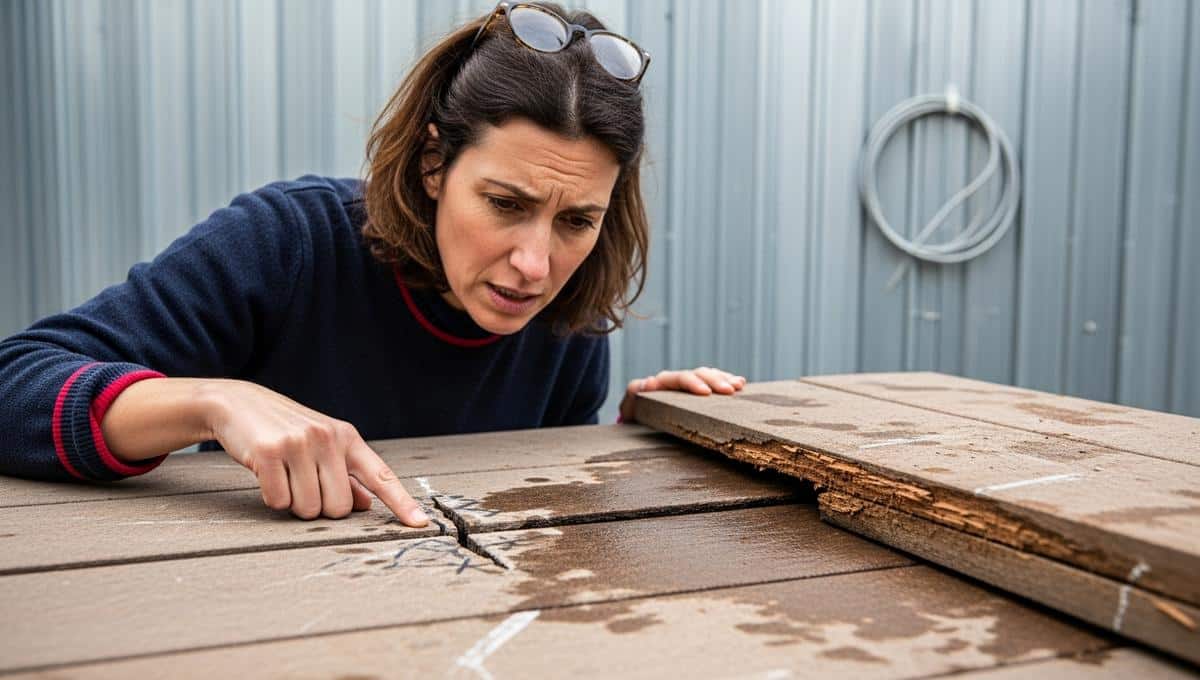
Renovating your patio, deck, or garden facade feels exciting — until the wrong choice starts cracking after just one winter. Choosing the right materials for your exterior spaces can save you thousands over the years. Yet many homeowners still invest in options that look great in the store but deteriorate fast once exposed to rain, frost, and UV light.
Why some outdoor materials fail so quickly
Not every product sold for exterior use truly withstands the elements. Marketing often highlights beauty and low upfront cost. In reality, certain surfaces lose their color, warp, or crack within two to five years of exposure. As a result, you end up paying twice — first for the product, then for its replacement.
Climate plays a huge role in how fast degradation occurs. Freeze-thaw cycles in northern regions are brutal on porous surfaces. Meanwhile, intense sun in southern areas causes fading and brittleness. Therefore, picking the right product means thinking about your local weather first.
Many contractors will recommend what they know best, not necessarily what lasts longest. For this reason, doing your own research before any project remains critical. A surface that performs well indoors may become a liability outdoors within months.
Cheap composite wood: a false bargain
Composite decking gained popularity as a low-upkeep alternative to natural timber. However, entry-level composite boards often contain a high ratio of plastic to wood fiber. This makes them prone to warping and staining under prolonged heat. By contrast, higher-grade composites with protective capping resist these issues far better.
« The biggest mistake homeowners make is choosing materials based on price alone, without considering the cost of replacement just a few years later. »
Another frequent complaint involves mold growth in damp climates. Budget composite boards trap moisture in their core, creating dark patches that no amount of scrubbing removes. Consequently, what seemed like a smart investment turns into an eyesore. Spending a bit more upfront on capped or co-extruded boards prevents this headache entirely.
To readRaclette toastie made in a skillet: 4 ingredients and 15 minutes for the ultimate cold-weather comfort mealColor fading is yet another weak point. Intense UV exposure bleaches lower-quality composites within two to three seasons. So if you live in a sunny area, always verify that the product carries a UV-resistance warranty of at least ten years.
Surfaces and finishes that homeowners regret most
Reconstituted stone tiles rank high on the list of regrettable exterior materials. They mimic natural stone at a fraction of the cost. Yet their surface coating peels after repeated frost cycles, leaving a rough and uneven look. Natural stone or high-fired porcelain stoneware, on the other hand, handles temperature swings with ease.
- Low-grade composite decking — warps and stains within two years
- Reconstituted stone tiles — coating peels after frost cycles
- Untreated softwood cladding — rots quickly without annual sealing
- Standard painted metal railings — rust appears within one season if not powder-coated
- Thin resin-based render — cracks under thermal expansion and looks patchy fast
Untreated softwood like pine or spruce still appears in many garden projects. It is affordable and easy to cut. However, without regular staining or oiling — at least once a year — it grays, splinters, and eventually rots. Hardwoods such as oak, robinia, or thermally modified ash last far longer with minimal care.
Standard painted steel railings and gates also disappoint quickly. A single scratch exposes bare metal to moisture, and rust spreads fast from that point. Powder-coated or galvanized steel, by comparison, resists corrosion for fifteen to twenty years. The price difference at purchase is small relative to the lifespan gained.
Thin resin-based exterior renders have grown trendy for their smooth modern finish. In practice, they crack along joints and around window frames as the structure shifts with temperature. Thicker lime-based or silicone renders flex slightly, absorbing movement without visible damage. Choosing the right render thus avoids costly facade repairs down the road.
Hidden costs that add up over time
Replacement labor often exceeds the original installation cost. Tearing out a failed deck or patio surface generates waste disposal fees as well. Moreover, repeated repairs disrupt your daily life and reduce your property’s curb appeal during the work period. All of these hidden expenses make cheap materials far more costly in the long run.
Insurance rarely covers damage caused by normal weathering of low-quality products. So if your render cracks or your decking warps, the bill falls entirely on you. For this reason, keeping receipts and warranty documents organized from day one is a wise habit. A twenty-year product warranty can be worthless if you cannot prove purchase date and proper installation.
Energy efficiency also suffers when exterior materials degrade. Cracked renders and poorly sealed cladding let moisture penetrate walls, reducing insulation performance. As a result, heating bills climb each winter. Investing in durable, well-rated products protects both your comfort and your wallet over time.
Smarter choices for a lasting outdoor space in 2026
Porcelain stoneware tiles now come in wood-look and stone-look finishes that rival the real thing. They resist frost, stains, and UV light with almost zero upkeep. Their cost per square meter is higher than reconstituted stone, yet their lifespan often exceeds thirty years. Over a full ownership cycle, they prove far more economical.
Thermally modified timber is another smart alternative gaining ground in 2026. The heat treatment process removes moisture and sugars from the wood, making it resistant to rot and insects without chemical treatment. As a result, it suits decks, fences, and cladding equally well. Its warm appearance ages into an elegant silver-gray patina rather than an unsightly decay.
Aluminum and stainless steel have become more accessible for railings, pergolas, and gate frames. They demand virtually no upkeep and hold their shape across decades. Powder-coated aluminum, in particular, offers a wide palette of colors at a reasonable price point. Pairing it with quality materials elsewhere creates an exterior that stays handsome year after year.
To readHydrangeas covered in blooms this spring start with one simple winter pruning stepBefore any purchase, always request samples and leave them outdoors for a few weeks. This simple test reveals warping, fading, or surface changes that no brochure will mention. In addition, consult independent review platforms rather than relying solely on manufacturer claims. A few hours of research today can spare you years of regret — and a much lighter renovation budget down the line.
Crédit photo © DivertissonsNous