
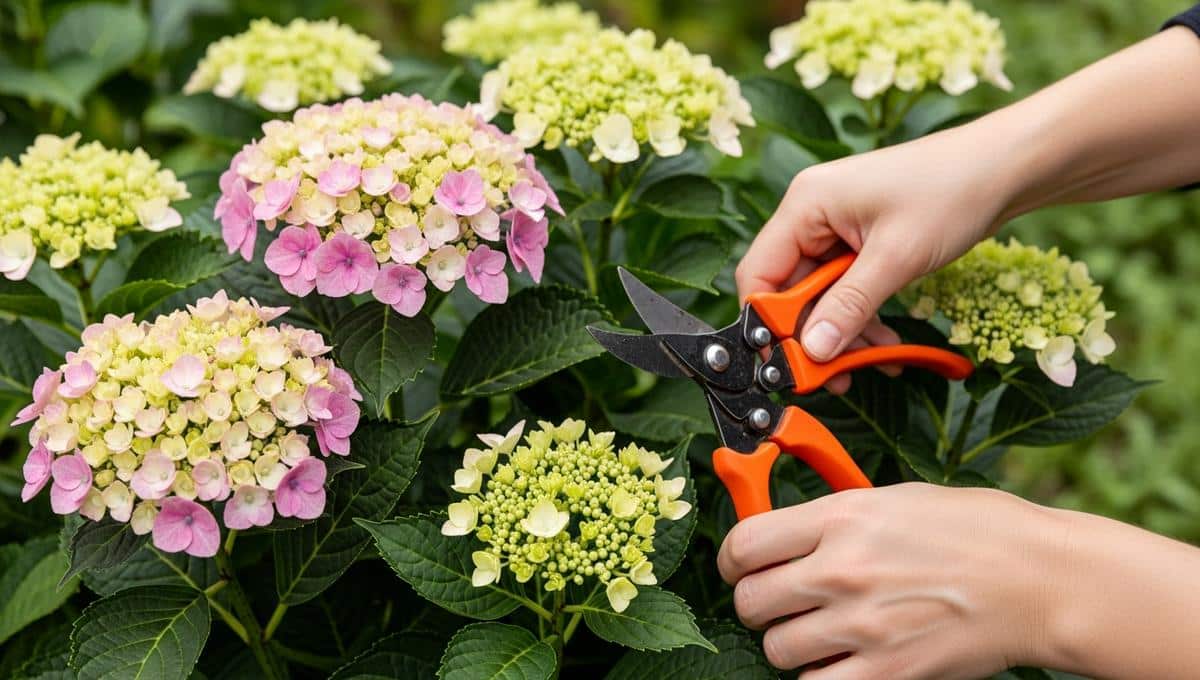
If you have ever admired a garden bursting with colour in late spring, chances are hydrangeas stole the show. These beloved shrubs reward patient gardeners with spectacular blooms, yet many people overlook one crucial winter task. A simple gesture performed during the coldest months of 2026 can make all the difference between sparse stems and a truly dazzling display.
Why winter care matters for a stunning spring bloom
Most gardeners assume that shrubs need attention only when temperatures rise. In reality, the dormant season is a golden window for shaping future growth. During winter, the plant’s energy is stored in its roots and woody stems, waiting for the right signal to push out new buds.
By acting now, you give hydrangeas a head start before the growing season begins. A well-timed intervention encourages the plant to channel its reserves into flower production rather than excess foliage. As a result, each branch has a better chance of carrying full, round flower heads by May or June.
Many experienced growers in temperate climates across Europe and North America follow this practice every year. They report up to 30 % more blooms compared to plants left entirely untended through winter. And the method is neither complex nor costly, which makes it accessible to beginners as well.
The one simple gesture that changes everything
The technique is straightforward: remove only the faded flower heads that still cling to the stems from last season. Using clean, sharp secateurs, cut just above the first pair of healthy buds below the old bloom. This careful deadheading protects the developing buds that will produce flowers in the coming months.
« A five-minute winter trim can determine whether your shrub looks bare or breathtaking when warm days return. »
Timing is critical, however. Perform this task on a dry, frost-free day, ideally between late January and mid-February 2026. Cutting too early in a harsh cold spell risks exposing tender bud tissue to freeze damage. Cutting too late may remove buds that have already started to swell.
To readHydrangeas: leaving spent blooms on in winter protects buds and boosts spring floweringKeep in mind that not every variety responds the same way. Mophead and lacecap types, which bloom on old wood, benefit most from this gentle winter trim. Panicle and smooth varieties, on the other hand, flower on new wood and can tolerate harder pruning in late winter.
Essential steps to protect and nourish your shrubs
Beyond deadheading, a thick layer of mulch around the base provides vital insulation. Spread about 10 cm of composted bark or leaf mould in a circle, keeping it a few centimetres away from the main stem. This blanket shields shallow roots from sudden temperature swings and retains moisture as the soil thaws.
- Deadhead faded blooms just above the first pair of plump buds
- Mulch the root zone with 10 cm of organic material
- Avoid heavy pruning on varieties that bloom on old wood
- Water lightly during dry winter spells to prevent root stress
- Check soil pH and amend with ericaceous compost if you want blue flowers
Watering may seem odd in winter, yet prolonged dry spells can stress even dormant roots. A light soak every two to three weeks during rainless periods keeps the root ball from drying out completely. Consequently, the plant enters spring in far better shape.
Soil chemistry also plays a role in flower colour. Acidic soil with a pH below 5.5 tends to produce blue blooms, while neutral to alkaline soil favours pink tones. Adding aluminium sulphate or ericaceous compost in late winter gives the soil time to adjust before the plant takes up nutrients in spring.
Frost pockets deserve extra attention as well. If your hydrangeas sit in a low-lying area where cold air settles, consider wrapping the crown loosely with horticultural fleece on nights when temperatures dip below minus 5 °C. Remove the fleece during the day so air can circulate freely.
Common mistakes to avoid during the cold season
One frequent error is pruning too aggressively. Cutting stems back to ground level on a mophead variety strips away every flower bud for the upcoming season. Therefore, restraint is your best tool. Only remove what is clearly dead or damaged.
Another pitfall is feeding too early. Applying nitrogen-rich fertiliser in January can stimulate soft new growth that freezes at the first cold snap. Instead, wait until early April 2026 to apply a balanced slow-release feed. This way, nutrients arrive exactly when the plant can use them.
Neglecting drainage is a less obvious mistake. Hydrangeas enjoy moist soil, yet they cannot tolerate waterlogged conditions through winter. If puddles form around the base after rain, improve drainage by working grit into the top layer of soil or raising the planting area slightly.
Setting the stage for a colourful garden in 2026
With these winter steps complete, your shrubs will be primed for a vigorous start once frost gives way to mild spring days. New shoots typically appear in March, and by April the foliage fills out rapidly. Each stem that was properly deadheaded should carry a developing flower cluster at its tip.
Companion planting further enhances the visual impact of hydrangeas in the garden. Low-growing perennials such as hostas, heucheras, or ferns create a layered look that highlights the bold flower heads above. This approach also shades the root zone, helping to retain the cool moisture these shrubs prefer.
Patience truly pays off with these generous plants. A single bush can produce dozens of flower heads measuring up to 25 cm across, and the blooms often last from late May well into September. Dried flower heads even extend the display into autumn, adding texture to the garden long after summer fades.
To readHydrangeas bloom abundantly in spring with 1 simple winter stepWhether you are tending a small courtyard pot or a sweeping border, this straightforward winter ritual sets the tone for months of colour. Grab your secateurs on the next mild day, give your hydrangeas that gentle trim, and look forward to a garden that stops passers-by in their tracks this spring.
Crédit photo © DivertissonsNous