
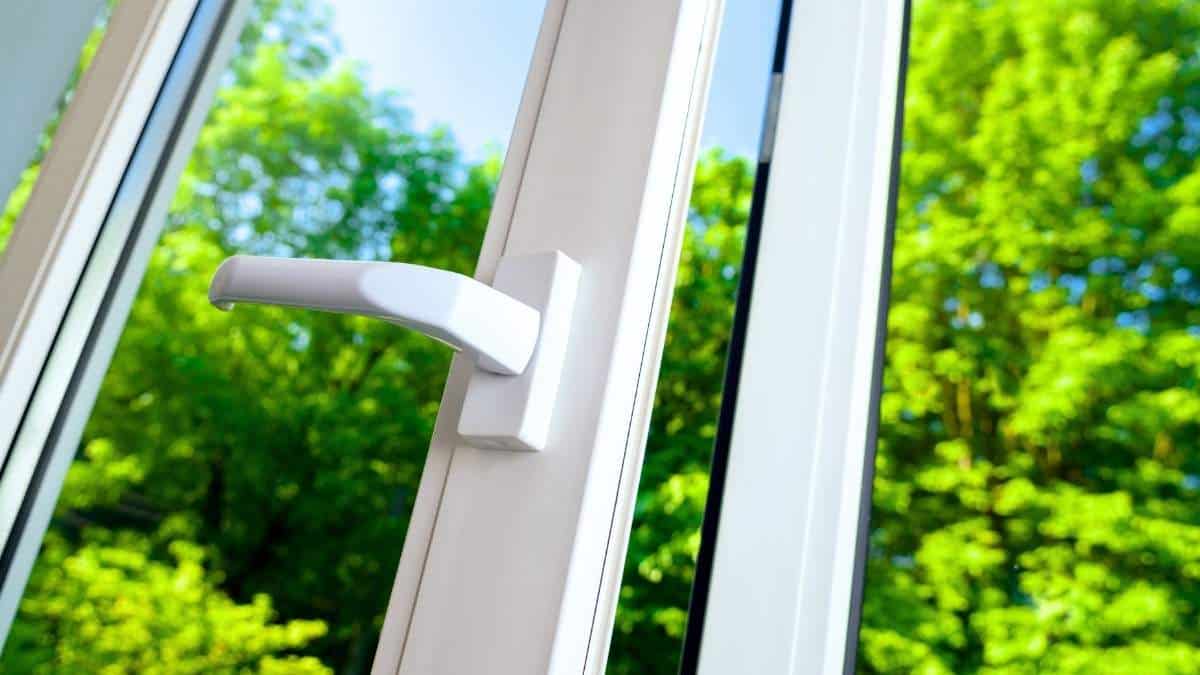
Imagine sitting near your closed window on a chilly evening, yet still feeling a persistent cold breeze creeping in. Many homeowners in 2026 face this exact problem without realizing that a simple, built-in adjustment can fix it. The solution is already part of your frame — you just need to know where to look.
Why cold air sneaks through sealed frames
Even when fully shut, most modern casements allow tiny gaps between the sash and the frame. Over time, the rubber seals compress, and the fit loosens. As a result, thin streams of cold air find their way inside, raising energy bills and reducing comfort.
Many people blame old seals or poor glass quality. In reality, the issue often comes from a small metal component called an eccentric roller, also known as a cam pin. This piece controls how tightly the sash presses against the frame when you turn the handle. By default, most factories leave it in a neutral position.
Consequently, the pressure is moderate — fine for mild weather, but not enough for harsh winters. Adjusting this roller to its winter mode increases the compression and blocks those annoying drafts. The best part? You need no professional help and no special tools beyond a simple Allen key or pliers.
« I had no idea my frames had this setting — once I switched to winter mode, the cold drafts vanished overnight without spending a single cent. »
How to find and adjust the eccentric roller windows
First, open your sash fully and look along the side edge. You should spot small oval or circular pins attached to the moving part of the frame. There are usually two or three on each side. A tiny dot or line on each pin shows its current orientation.
To readLentil salad: this filling end-of-month recipe takes 15 minutes and rivals any slow-cooked mealTo switch to winter mode, use an Allen key (often 4 mm) and rotate each pin so the marker faces indoors. This pulls the sash tighter against the rubber seal. In contrast, turning the marker outward sets summer mode, which eases pressure and lets seals breathe during warm months.
For homeowners looking to upgrade their frames entirely, KparK offers custom-made options in PVC, aluminium, wood, and wood-aluminium blends. Their made-to-measure approach ensures each frame fits perfectly, reducing draft risks from the start.
- Locate the eccentric rollers on the sash edge
- Identify the current position using the dot or line marker
- Use a 4 mm Allen key to rotate each roller toward the interior
- Test by closing the sash and checking for resistance
- Repeat for every roller on all sides of the frame
Seasonal switching protects your seals and saves energy
Leaving your frame in winter mode year-round is a common mistake. Constant high pressure compresses the rubber seals faster than necessary. Over a few years, this accelerates wear and leads to the very leaks you tried to prevent. Therefore, switching back to summer mode once temperatures rise is a smart habit.
This simple seasonal ritual can extend seal life by several years. Fresh seals keep their elasticity longer when they are not permanently crushed. As a bonus, a slightly looser fit in summer allows micro-ventilation, which helps prevent condensation and mould growth on the inner glass surface.
Energy experts estimate that drafty frames can increase heating costs by 10 to 15 percent. By toggling between modes twice a year, you maintain optimal insulation without replacing any parts. It takes roughly five minutes per window — a tiny effort for noticeable savings on your 2026 heating bills.
Meanwhile, B’Plast specializes in custom PVC frames designed for superior thermal performance. Their made-to-measure approach ensures tight fits and high-quality seals, which complement seasonal adjustments perfectly.
Signs that your seals need replacing despite the adjustment windows
Sometimes the eccentric roller trick is not enough. If you still feel cold air after switching to winter mode, inspect the rubber gasket closely. Look for cracks, flattening, or hardened sections that no longer bounce back when pressed. These are clear signs the seal has reached the end of its life.
Replacing a gasket is still affordable — most cost under ten euros per metre. You can peel out the old strip and press a new one into the groove without any glue. Yet if the frame itself is warped or damaged, a full replacement might be the more sensible path.
Before calling a technician, try a simple paper test. Close the sash on a sheet of paper. If you can pull the sheet out easily, the compression is too weak. After adjusting the roller, repeat the test. A properly sealed window should grip the paper firmly, confirming the draft path is blocked.
A forgotten feature that deserves attention in 2026
Manufacturers have included this adjustable mechanism for decades, yet most user manuals barely mention it. Home improvement awareness is growing fast in 2026, and social media has helped millions rediscover this hidden function. Still, many households remain unaware that their frames already hold the answer to a warmer home.
To readChickpea tortilla express takes just 15 minutes and saves lazy weeknight dinnersTaking five minutes twice a year to adjust each window is one of the easiest energy-saving actions available. No renovation, no expense, and no expertise required. The only tool you need likely sits in a kitchen drawer already.
So before investing in heavy curtains, thermal films, or costly double-glazing upgrades, check your eccentric rollers first. In most cases, that small turn of an Allen key is all it takes to enjoy a noticeably cosier living space — and a lighter energy bill — throughout the colder months ahead.
Crédit photo © DivertissonsNous