
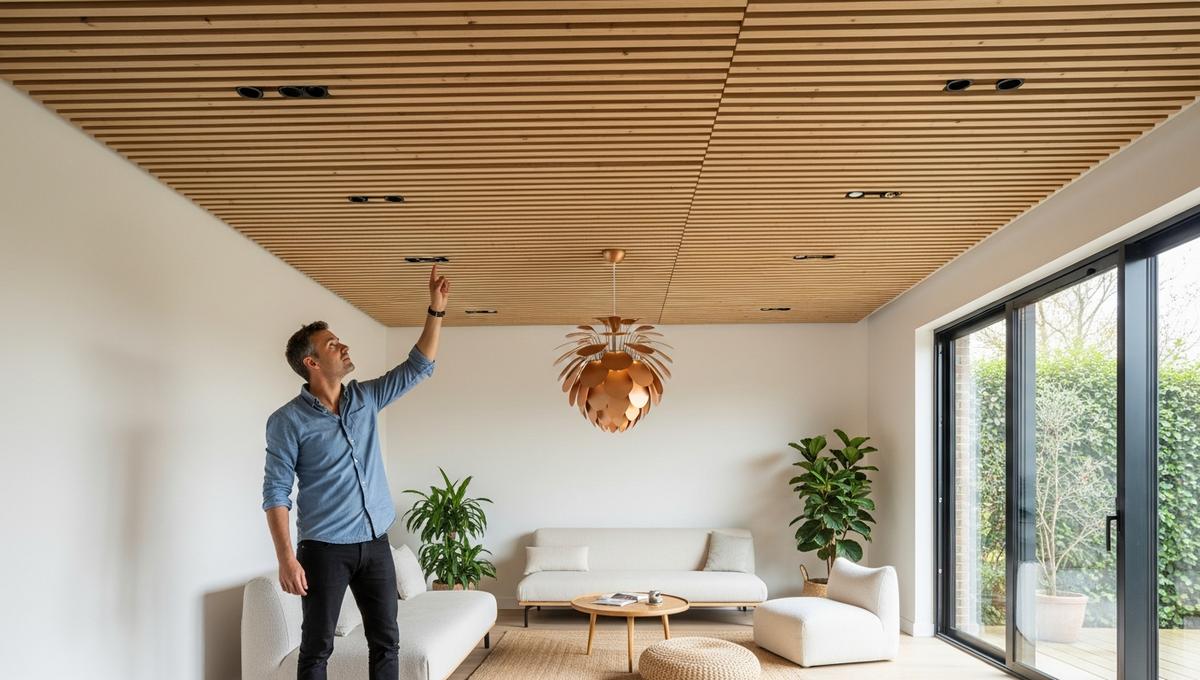
For decades, it was hidden behind plaster or paint. Now, the wooden ceiling is making a striking return in interior design for 2026. Yet this comeback looks nothing like the dark, heavy panels your grandparents once loved.
Why the wooden ceiling is back in a big way
Trends in home décor tend to move in cycles. What felt dated a few years ago can suddenly feel fresh again. The revival of wood overhead follows a broader shift toward natural materials and warm textures in living spaces.
Interior designers across Europe now cite the wooden ceiling as one of the top features clients request. This surge in demand reflects a desire for cozy, grounded rooms that still feel modern. People want their homes to breathe, and timber brings that organic quality like few other materials can.
Moreover, social media platforms have amplified the trend. Thousands of posts showcase slat ceilings, light oak panels, and reclaimed timber overhead. As a result, homeowners who once feared wood above their heads now see it as a bold style statement.
A modern twist on a classic look
The key difference in 2026 is the approach. Dark mahogany and heavy beams have given way to light-toned woods, clean lines, and slim slats. Think pale ash, white oak, or even bleached pine arranged in sleek, parallel rows.
« The wooden ceiling of today is refined, airy, and luminous — it has nothing to do with the rustic versions of the past. »
Designers also recommend mixing wood with other materials. For instance, pairing timber slats with subtle recessed lighting creates depth without heaviness. In this way, the ceiling becomes a true design feature rather than a simple surface.
To readLentil salad: this filling end-of-month recipe takes 15 minutes and rivals any slow-cooked mealAt Leroy Merlin, a ceiling clad in wooden battens is gaining attention as an accessible way to achieve this look. The slat system allows homeowners to add texture and warmth overhead without a full renovation, making it a practical yet stylish choice for any room.
How to style your space around a timber ceiling
Once the overhead surface sets the tone, every other element needs to follow. A lighter wood up top pairs well with neutral walls and natural textiles. Linen, cotton, and rattan work especially well to echo that organic feel throughout the room.
Lighting, in particular, plays a crucial role beneath a wooden ceiling. The right pendant can either complement or compete with the texture above. Choosing carefully makes all the difference.
- Light-toned slats — pale ash or white oak for a fresh, modern look
- Reclaimed timber — adds character and supports sustainable design
- Slim parallel battens — create rhythm and visual flow across the surface
- Warm pendant lighting — softens the wood grain and adds depth
- Natural textiles below — linen, cotton, and rattan to keep the room cohesive
The Necton suspension, a flower-shaped pendant in golden metal, offers a striking contrast when hung beneath a timber surface. Its warm metallic finish catches light beautifully and adds a sculptural element that elevates the entire room.
For a softer pairing, the Malden suspension in white cotton and linen with black piping brings a quiet elegance under wooden panels. Its understated design lets the overhead texture remain the star while still anchoring the space with gentle warmth.
Practical benefits you might not expect
Beyond aesthetics, a wooden ceiling delivers real functional advantages. Wood is a natural acoustic insulator, which means it helps absorb sound in open-plan living areas. Consequently, rooms feel calmer and more intimate.
Timber also offers solid thermal performance. It helps regulate indoor temperature by retaining warmth in winter and staying cool in summer. Therefore, it can contribute to lower energy bills over time.
Maintenance is simpler than many people assume. A coat of matte varnish or a natural oil finish protects the surface for years. As a bonus, wood ages gracefully, developing a patina that adds even more character to the space.
Choosing the right wood and finish for your home
Not every species suits every room. In humid spaces like bathrooms, cedar or thermowood resist moisture far better than untreated pine. For living rooms and bedrooms, oak and ash remain the most popular choices due to their durability and neutral grain.
The finish matters just as much as the species. A matte or satin treatment keeps the look contemporary, while a glossy lacquer can feel dated quickly. Many designers in 2026 favour raw or lightly oiled surfaces to preserve the natural texture of the wood.
Budget is another factor worth considering. Solid timber panels cost more upfront, yet they last decades. Alternatively, engineered wood or MDF slats with a real wood veneer can deliver a similar visual impact at a fraction of the price.
To readChickpea tortilla express takes just 15 minutes and saves lazy weeknight dinnersRegardless of your choice, proper installation remains essential. A wooden ceiling needs adequate ventilation behind the panels to prevent moisture buildup. Hiring a qualified carpenter or following manufacturer guidelines closely will ensure the result looks professional and lasts for years to come.
Crédit photo © DivertissonsNous