
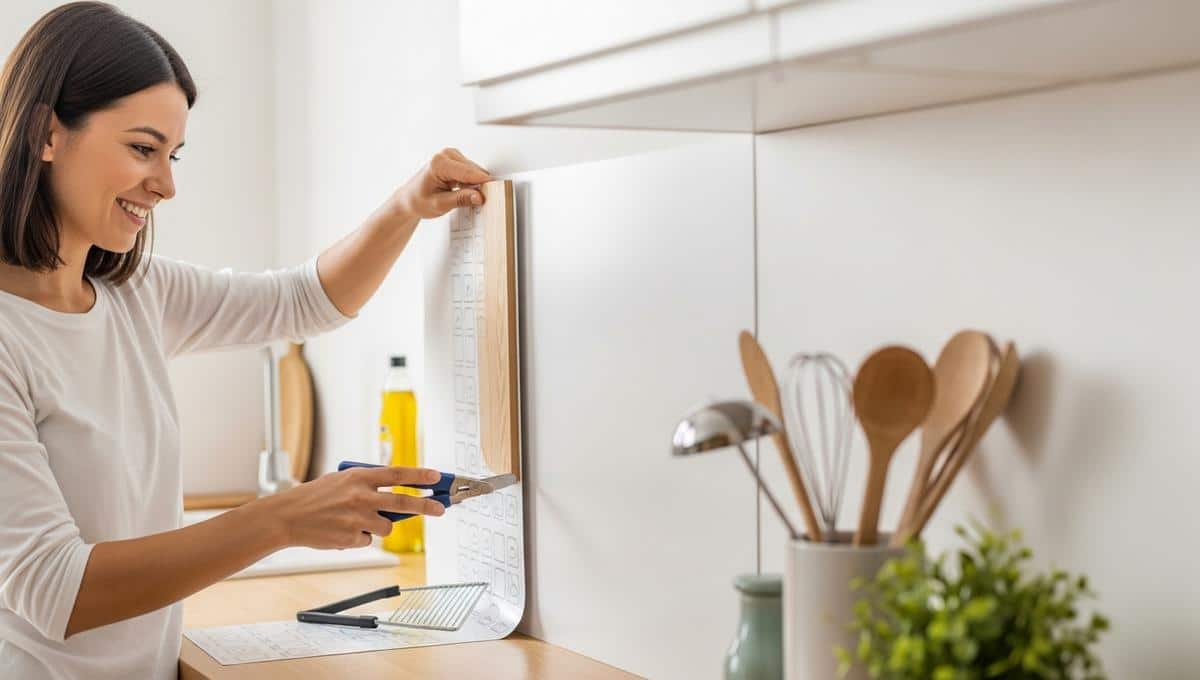
Living in a rental often means staring at bland kitchen walls you feel powerless to change. Yet in 2026, renters across the globe are finding clever ways to transform their spaces without risking a single cent of their security deposit. The good news is that a gorgeous backsplash is now fully within reach, even when the lease says “no permanent changes.”
If you have ever dreamed of a magazine-worthy kitchen, you know the frustration. Landlords rarely agree to let tenants drill, tile, or glue anything to the walls. As a result, many people simply give up on the idea. But a growing number of peel-and-stick products now offer a real solution that looks polished and removes cleanly.
Why peel-and-stick panels are a game changer for renters
Adhesive backsplash panels have evolved dramatically over the past few years. In 2026, the materials feel thicker, mimic real tile textures, and resist heat as well as moisture. Most options on the market cost between $3 and $12 per square foot, which makes them far cheaper than traditional tiling. They also require zero specialized tools.
Installation is surprisingly fast. A single kitchen backsplash can be completed in under two hours, even by a total beginner. You simply measure, cut with scissors or a utility knife, peel the backing, and press the panel onto a clean surface. Consequently, there is no mess, no grout, and no contractor fee to worry about.
Removal is just as painless. When your lease ends, you warm the adhesive gently with a hair dryer and peel the panel away. Most brands leave no residue at all. Therefore, your landlord sees the same wall that was there on move-in day, and your rental deposit stays safe.
« A beautiful kitchen should never depend on whether you own or rent the place — it should depend on your creativity. »
Choosing the right material for your kitchen
Not every peel-and-stick panel suits every surface. Smooth, painted walls deliver the best adhesion, while textured or porous walls may need a light primer first. For areas directly behind the stove, look for panels rated as heat-resistant up to 170 °F (77 °C). This detail matters more than aesthetics when safety is involved.
Popular choices in 2026 include vinyl tiles that imitate subway ceramics, gel-based 3D mosaics, and thin composite sheets that look like natural stone. Each type has a different weight and flexibility. Hence, reading the product specs before purchase saves time and avoids returns.
- Vinyl peel-and-stick tiles — affordable and available in dozens of patterns
- Gel mosaic panels — slightly thicker, great for a 3D texture effect
- Composite stone sheets — realistic appearance, best for modern kitchens
- Metal-finish adhesive tiles — ideal for an industrial or minimalist look
- Fabric-backed wallpaper panels — a softer option for open kitchen-living spaces
Step-by-step tips to get a flawless result in your rental
Preparation is the most critical phase. Start by cleaning the wall with a mix of warm water and mild dish soap. Grease or dust will weaken the adhesive, so take your time here. Once the surface is dry, use a level and a pencil to mark a straight guide line along the bottom edge.
Next, dry-fit a few panels before removing any backing. This step lets you see how the pattern aligns and where you will need cuts. By planning ahead, you avoid waste and ensure a seamless look. Moreover, working from the center outward usually produces the most balanced layout.
To readLentil salad: this filling end-of-month recipe takes 15 minutes and rivals any slow-cooked mealPress each panel firmly with a squeegee or a flat plastic card. Air bubbles are the enemy of a clean finish, so smooth from the middle toward the edges. For corners and outlets, measure twice and cut once. Patience during this stage pays off with a result that genuinely looks permanent, even though it is fully reversible.
After the last panel is in place, run your hand over every seam. If any edge lifts slightly, apply gentle heat and press again. Some renters add a thin bead of removable caulk along the top and bottom borders for a polished trim. This small touch elevates the entire project and takes only minutes.
Common mistakes to avoid
One frequent error is choosing panels that are too thin. Ultra-cheap options may buckle near heat sources or peel within weeks. Investing a few extra dollars per square foot drastically improves durability. As a rule of thumb, panels thicker than 1.5 mm tend to perform best over time.
Another pitfall is skipping the test patch. Always apply one small piece in a hidden area first, then remove it after 48 hours. This confirms the adhesive will not damage paint or leave marks. Taking this precaution is especially wise in an older rental where wall finishes can be unpredictable.
Making the design feel truly yours while living in a rental
Color choice sets the mood for the entire kitchen. Soft whites and grays keep things timeless, while bold greens or deep blues add personality fast. In 2026, terrazzo-inspired prints and warm terracotta tones are trending strongly among renters who want a contemporary edge. Picking a pattern you love means you will actually enjoy cooking in that space every day.
Mixing two complementary panel styles can create a custom look without extra cost. For instance, pairing a plain white subway tile with a decorative border strip adds depth. Similarly, alternating matte and gloss finishes within the same color family produces visual interest. These small design choices make a rented kitchen feel intentional rather than temporary.
To readChickpea tortilla express takes just 15 minutes and saves lazy weeknight dinnersLighting also plays a huge role. Adding a simple LED strip under the upper cabinets highlights your new backsplash beautifully. Battery-operated puck lights work well too, and they require no wiring. Thus, you enhance the entire aesthetic without drilling a single hole.
Ultimately, a rental should still feel like home. With the right adhesive panels, a bit of planning, and a free afternoon, any tenant can enjoy a kitchen backsplash that sparks joy. The deposit stays intact, the landlord stays happy, and you get to live in a space that truly reflects your taste — no ownership required.
Crédit photo © DivertissonsNous