
You walk through the door after a long day, drop your bag, and instantly notice it — a stubborn smell in the living room that no open window seems to fix. That stale, lingering odor clings to your sofa, your cushions, and even the curtains. Yet the fix might be far simpler than you think, and it likely sits in your kitchen cupboard right now.
Why your sofa holds onto odors more than you realize
Fabric sofas act like giant sponges. They absorb sweat, pet dander, cooking fumes, and dust particles day after day. Over time, these residues build up deep within the fibers, creating a persistent smell in the living room that surface cleaning barely touches.
Many people try air fresheners or scented candles to mask the problem. However, these products only layer fragrance on top of the odor without removing its source. The trapped particles remain, and once the perfume fades, the stench returns — sometimes even stronger than before.
Upholstery fabric is designed to be soft and breathable, which ironically makes it a magnet for airborne molecules. In a warm room with limited airflow, bacteria thrive in these fibers. As a result, your couch can become the single biggest contributor to indoor stuffiness.
« Baking soda proves once again that there is no need for complex solutions to solve everyday troubles. »
The role humidity plays in trapping bad scents
Moisture is odor’s best friend. When indoor humidity rises above 60 percent, fabric absorbs even more airborne particles. This is especially common during spring and autumn, when homes stay closed up and ventilation drops.
To readLentil salad: this filling end-of-month recipe takes 15 minutes and rivals any slow-cooked mealDamp cushions also encourage mold and mildew growth at a microscopic level. These fungi release volatile compounds that add a musty layer to the existing smell in the living room. So controlling moisture is a crucial first step before any cleaning method can work effectively.
Baking soda: the one-ingredient trick that actually works
Baking soda — or sodium bicarbonate — is a mild alkaline powder that neutralizes acidic odor molecules on contact. Rather than masking smells, it breaks them down chemically. This is precisely why it has been a trusted household staple for decades.
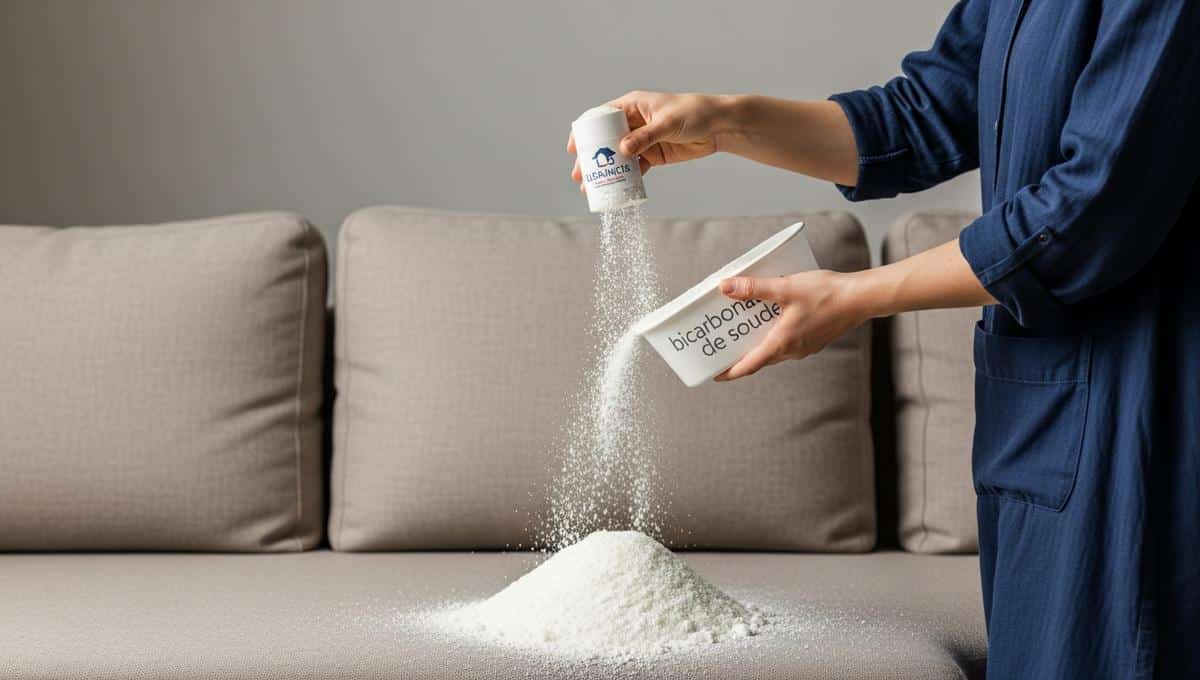
The method is remarkably straightforward. Sprinkle a generous, even layer of baking soda across every surface of your sofa — seat cushions, armrests, and backrest. Then let it sit for at least 15 to 20 minutes. For deeper odors, you can leave it for up to two hours.
Afterward, vacuum thoroughly using an upholstery attachment. The powder will have absorbed trapped moisture and odor compounds from the fabric. Most people notice a fresher smell in the living room almost immediately after this single pass.
- Cost: a standard box of baking soda costs less than two dollars in 2026
- Time required: roughly 20 minutes of active effort plus waiting time
- Safety: non-toxic and safe around children and pets
- Frequency: repeat once every two to four weeks for best results
- Bonus use: works on rugs, curtains, and car seats with the same technique
How to boost the effect with a few drops of essential oil
For an extra layer of freshness, mix five to eight drops of essential oil into your baking soda before sprinkling. Lavender, tea tree, and lemon are popular choices. Each one carries mild antibacterial properties that complement the deodorizing action.
Stir the mixture in a bowl and let it rest for a minute so the oil distributes evenly. Then apply it to the sofa as usual. This small addition leaves a subtle, natural fragrance without the chemical load of commercial sprays. As a bonus, tea tree oil can help discourage dust mites from settling back into the fabric.
Keep in mind that essential oils can stain light-colored upholstery if applied directly. Always blend them into the powder first, and test a small hidden area before treating the entire couch. This precaution takes seconds but can save you from permanent marks.
Long-term habits that keep your living room fresh all year
A single deep clean helps, but consistency matters more. Vacuuming your sofa once a week removes surface dust before it sinks deeper into the fabric. Pair this with a baking soda treatment twice a month, and you create a routine that prevents odors rather than chasing them.
Ventilation is another powerful ally. Opening two windows on opposite sides of the room for just ten minutes each morning creates a cross-draft that flushes stale air out. This alone can dramatically reduce the lingering smell in the living room, especially after cooking or hosting guests.
To readChickpea tortilla express takes just 15 minutes and saves lazy weeknight dinnersWashable sofa covers deserve serious consideration as well. They act as a barrier between your body and the cushion foam. Toss them in the machine at 40 °C every two weeks, and the foam underneath stays far cleaner for far longer.
Pet owners face an extra challenge, since animal fur and skin oils accelerate odor buildup. Placing a dedicated throw blanket where your pet likes to sit contains most of the residue in one removable layer. Washing that blanket weekly is far easier than deep-cleaning an entire couch. By combining these small habits, you can finally enjoy a smell in the living room that feels genuinely clean — not just temporarily masked.
Crédit photo © DivertissonsNous