
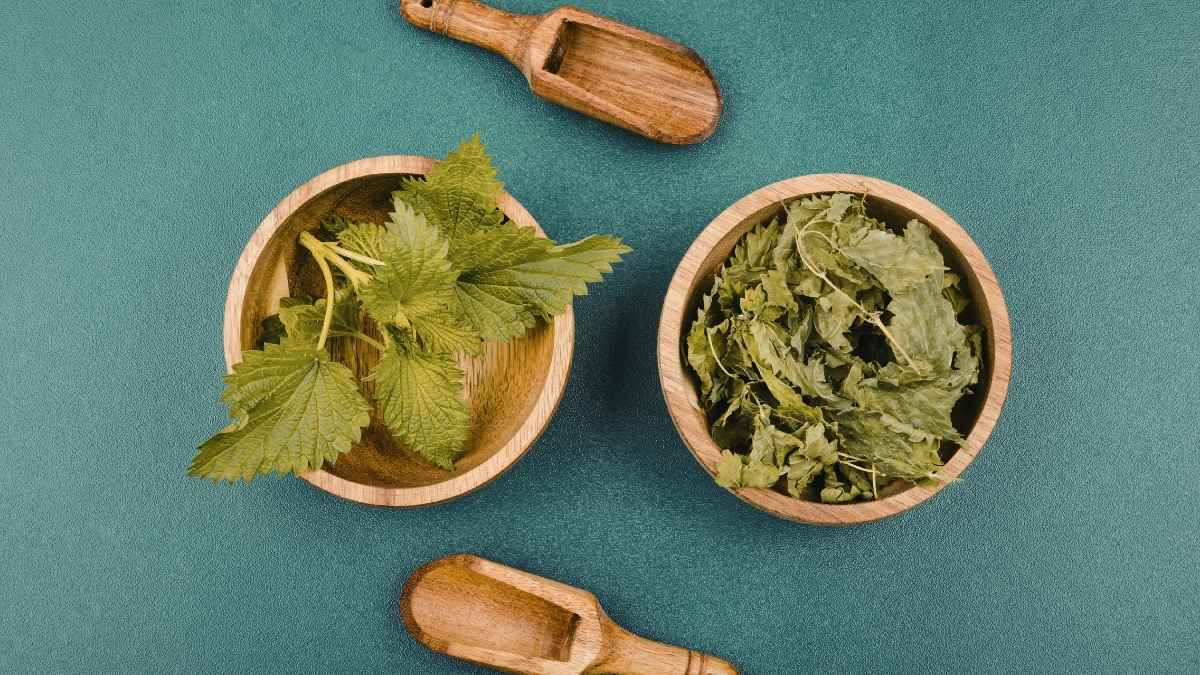
Fresh aromatic herbs can transform any dish, yet they often wilt within days of purchase. This common kitchen frustration leads many home cooks to waste money and flavour. Fortunately, a simple storage method can keep your herbs vibrant for up to one month.
Why fresh herbs lose their flavour so quickly
Most people store herbs directly in the fridge without protection. This approach exposes delicate leaves to cold, dry air that damages their structure. As a result, basil turns brown, parsley becomes limp, and cilantro loses its punch.
The main enemy of fresh herbs is moisture imbalance. Too much humidity causes mould, while too little leads to wilting. Finding the right balance requires a specific technique that many home cooks overlook.
Temperature also plays a crucial role in herb preservation. Some varieties, like basil, suffer in cold environments. Others, such as mint and chives, thrive when kept cool with proper humidity control.
« The secret to long-lasting herbs lies in creating a controlled microenvironment that mimics their natural growing conditions. »
The paper towel method explained
This genius trick uses items you already have at home. Start by gently washing your herbs and removing any damaged leaves. Then, pat them dry with care to avoid bruising the delicate foliage.
Next, wrap your aromatic herbs loosely in a slightly damp paper towel. The towel should feel moist but not wet. This creates the perfect humidity level to keep leaves fresh.
To readCooking tip every neat freak needs: this simple trick cuts mess, waste and extra dishes in the kitchenPlace the wrapped bundle inside an airtight container or resealable plastic bag. Store it in the refrigerator’s vegetable drawer where temperatures remain stable. Check the towel every few days and re-moisten if needed.
- Wash herbs gently before storage to remove dirt and bacteria
- Use a slightly damp paper towel for optimal moisture control
- Choose an airtight container to prevent cold air exposure
- Store in the vegetable drawer for consistent temperature
- Replace the paper towel when it feels dry or too wet
Alternative preservation techniques for longer storage
When you need herbs to last even longer, freezing offers an excellent solution. This method works particularly well for cooking herbs like thyme, rosemary, and oregano. The flavour remains intact even after several months in the freezer.
One popular approach involves ice cube trays and olive oil. Chop your herbs finely and distribute them evenly in the tray compartments. Pour olive oil over the herbs until each cube is full, then freeze overnight.
These herb-infused cubes are perfect for sautéing vegetables or starting soups. Simply pop one cube into a hot pan and watch it melt into fragrant cooking oil. This technique saves time while delivering maximum flavour.
Another freezing method works well for delicate aromatic herbs like dill and chervil. Lay clean, dry sprigs flat on a baking sheet lined with parchment paper. Freeze them for two hours before transferring to freezer bags.
Using jars for stem herbs
Herbs with long stems, such as parsley and cilantro, benefit from a different storage approach. Treat them like cut flowers by placing stems in a jar with water. This keeps them hydrated and fresh for up to two weeks.
Cover the leafy tops loosely with a plastic bag to maintain humidity. Change the water every two or three days to prevent bacterial growth. This method works best for herbs you plan to use frequently.
Basil, however, requires special treatment due to its sensitivity to cold. Keep basil at room temperature in a jar of water, away from direct sunlight. Refrigeration causes the leaves to darken and lose their distinctive aroma.
Matching storage methods to different herb varieties
Not all aromatic herbs respond equally to preservation techniques. Hardy herbs like rosemary, thyme, and sage tolerate refrigeration and freezing well. Their sturdy leaves contain less moisture and resist damage from cold.
Soft herbs demand gentler handling and shorter storage times. Basil, mint, and tarragon bruise easily and brown when exposed to cold air. The paper towel method works particularly well for these delicate varieties.
Mediterranean herbs often dry successfully without losing flavour. Hang small bundles upside down in a warm, dark place for one to two weeks. Once completely dry, store them in airtight jars away from heat and light.
To readOven hack: this simple trick turns your regular oven into an air fryer in secondsFresh aromatic herbs add brightness that dried versions cannot replicate in certain dishes. Salads, garnishes, and cold preparations benefit most from herbs stored using the paper towel technique. Cooked dishes, in contrast, often work well with frozen or dried alternatives.
By choosing the right method for each herb type, you reduce waste and enhance your cooking. These simple techniques require minimal effort yet deliver impressive results. Your kitchen will smell wonderful, and your dishes will taste better than ever.
Crédit photo © DivertissonsNous