
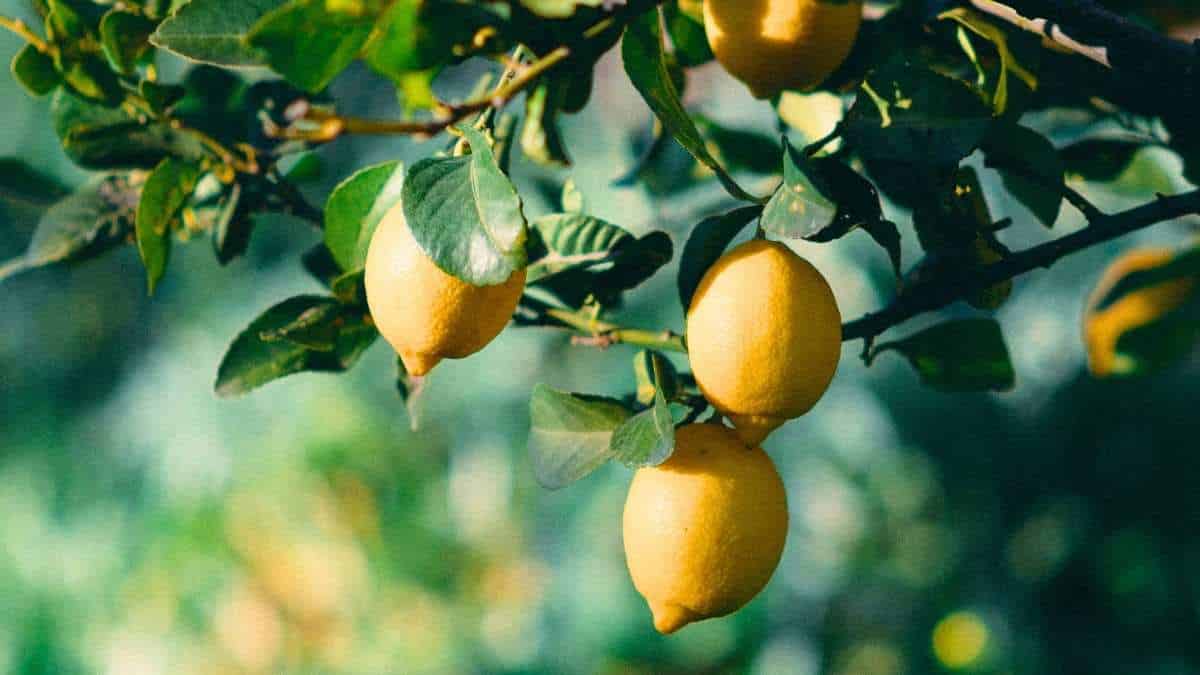
Your lemon tree has been sitting in its pot for months, yet it refuses to produce any fruit. This frustrating situation affects countless gardeners who dream of harvesting their own citrus. Surprisingly, a simple kitchen scrap buried at the base could transform your barren tree into a generous producer.
Why your citrus tree stays fruitless despite your care
Many gardeners face this exact problem every year. They water their tree regularly, place it in sunny spots, and still see nothing but leaves. The issue often lies beneath the soil surface, where nutrients may be lacking.
Citrus trees are heavy feeders that require specific elements to bloom and fruit. Without adequate nutrition, they conserve energy by dropping flowers or refusing to produce them at all. This survival mechanism keeps the plant alive but disappoints anyone hoping for fresh citrus.
Poor soil quality remains one of the main culprits behind unproductive trees. Even good potting mix loses its nutritional value over time. Therefore, supplementing with organic matter becomes crucial for success.
« A healthy citrus tree needs consistent feeding throughout the growing season to produce abundant fruit. »
The kitchen waste secret that experienced growers swear by
Banana peels represent one of the most effective natural fertilizers for citrus plants. These common kitchen scraps contain high levels of potassium, which directly supports fruit production. Additionally, they break down slowly, releasing nutrients over several weeks.
To readCooking tip every neat freak needs: this simple trick cuts mess, waste and extra dishes in the kitchenThe method is remarkably simple and costs nothing. You just need to bury two or three banana peels about 10 centimeters deep near the root zone. As they decompose, the peels feed your lemon tree exactly what it craves.
Beyond potassium, banana peels also provide phosphorus and calcium. These elements strengthen cell walls and promote healthy flower development. Consequently, your tree gains everything needed to shift from vegetative growth to fruit production.
- Banana peels deliver potassium for better fruit set
- Phosphorus supports strong root development
- Calcium prevents blossom end rot
- The organic matter improves soil structure
- Slow decomposition provides lasting nutrition
How to properly apply this natural fertilizer
Timing matters when using this technique on your lemon tree. Spring offers the ideal window because active growth begins then. The warming soil also speeds up decomposition, making nutrients available faster.
Start by collecting banana peels over a few days. Fresh peels work best since they haven’t lost moisture yet. However, dried peels still provide benefits and can be stored longer.
Dig small holes around the tree’s drip line rather than right against the trunk. This placement encourages roots to spread outward while seeking nutrients. Moreover, it prevents any risk of stem rot from direct contact with decomposing material.
Cover the buried peels with soil and water thoroughly. Moisture activates the breakdown process and carries nutrients toward the roots. Repeat this process every four to six weeks during the growing season for best results.
Additional tips for maximizing your harvest
Combining banana peels with other organic amendments accelerates results. Coffee grounds add nitrogen, which complements the potassium in peels. Together, they create a balanced feeding program that professional growers use.
Sunlight exposure remains equally important for fruit production. Your lemon tree needs at least six hours of direct sun daily. Without adequate light, even well-fed trees struggle to flower and set fruit.
Proper watering habits support nutrient uptake from the soil. Deep watering once or twice weekly beats daily light sprinkles. The roots grow deeper and access more of the minerals you’ve added.
What results to expect and when
Patience proves necessary when implementing this natural approach. You won’t see overnight changes in your tree’s behavior. Still, most gardeners notice increased flowering within two to three months of consistent treatment.
To readOven hack: this simple trick turns your regular oven into an air fryer in secondsThe first sign of success often appears as more abundant blooms. These fragrant white flowers indicate that your tree finally has enough energy to reproduce. Pollination then determines how many blooms become fruit.
A mature lemon tree treated with banana peels can produce dozens of fruits annually. Young trees may start with just a handful, which is perfectly normal. Each season brings greater yields as the root system expands and strengthens.
This simple kitchen hack transforms gardening frustrations into genuine rewards. Rather than purchasing expensive commercial fertilizers, you recycle waste into valuable plant food. Your tree benefits, your wallet stays full, and fresh citrus awaits on your table.
Crédit photo © DivertissonsNous