
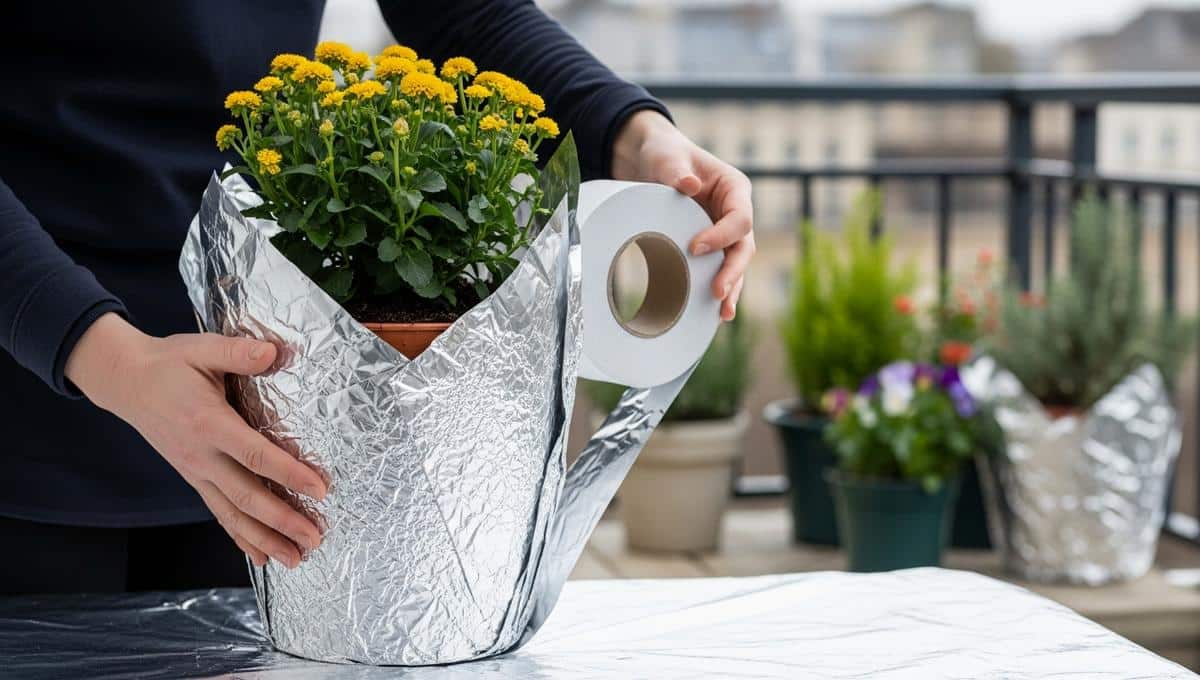
Winter can be harsh on outdoor plants, especially when temperatures drop below freezing. Many gardeners worry about their beloved greenery surviving the cold months. A simple kitchen item, often overlooked, might just be the secret weapon your flower pots need this season.
Why winter is a threat to potted plants
Potted plants face unique challenges when frost arrives. Unlike plants grown directly in the ground, they lack natural soil insulation. As a result, their roots become exposed to extreme temperature swings. This vulnerability can lead to root damage or even plant death.
Frost penetrates pot walls much faster than garden soil. Consequently, the root system freezes before the plant can adapt. Terracotta and ceramic containers are particularly susceptible to cracking. Even plastic pots offer limited protection against prolonged cold spells.
Many plant lovers bring their flower pots indoors during winter. However, not everyone has space for this solution. Balconies, terraces, and small gardens often remain exposed. Therefore, finding an affordable outdoor protection method becomes essential.
Understanding root vulnerability in containers
Roots in containers sit closer to the cold air than ground-planted roots. The pot itself acts as a conductor of cold temperatures. In nature, soil depth provides thermal mass that buffers temperature changes. Container plants miss this natural advantage entirely.
« A simple layer of aluminum foil wrapped around your pots can reflect cold away and retain warmth inside the soil. »
When roots freeze, they lose their ability to absorb water and nutrients. The plant then shows signs of stress, wilting, or browning leaves. Once severe damage occurs, recovery becomes nearly impossible. Prevention is always better than attempting a rescue mission later.
The aluminum foil trick explained step by step
Aluminum foil, that shiny kitchen staple, offers surprising benefits for plant protection. Its reflective surface creates a barrier against cold air. Wrapping it around your flower pots helps maintain stable soil temperatures. This method costs almost nothing and takes just minutes.
To readCooking tip every neat freak needs: this simple trick cuts mess, waste and extra dishes in the kitchenStart by measuring enough foil to wrap around your container completely. Ensure you cover from the rim down to the base. Press the foil gently against the pot surface for maximum contact. Secure it with tape or string if wind is a concern in your area.
The silvery material reflects external cold while trapping internal warmth. Additionally, it creates a slight greenhouse effect around the root zone. This dual action keeps soil temperatures more consistent throughout the day. Nighttime frost becomes less damaging as a result.
- Measure foil to fully cover the pot exterior
- Wrap tightly from rim to base for complete coverage
- Secure with garden string or weather-resistant tape
- Check weekly for tears or loose sections
- Remove on warm days to prevent overheating
Aluminum foil works as an affordable shield against winter’s chill. This kitchen essential reflects light and insulates soil. No special tools are needed for this protective method. You likely already have a roll sitting in your drawer.
Best practices for maximum effectiveness
Double-layering the foil increases insulation power significantly. For larger flower pots, consider using heavy-duty foil. It resists tearing better in windy conditions. Lighter foil may require more frequent replacement during the season.
Combine this technique with other protective measures for best results. Grouping pots together creates a microclimate that retains heat. Moving containers against a south-facing wall adds extra warmth. Mulching the soil surface provides another insulation layer on top.
Monitor weather forecasts closely during winter months. On extremely cold nights, bring sensitive plants indoors temporarily. The foil method works well for moderate frost but has limits. Subtropical plants may need additional protection beyond this simple trick.
Which plants benefit most from this protection
Perennials in containers gain the most from aluminum foil wrapping. These plants need their roots to survive winter for spring regrowth. Roses, lavender, and ornamental grasses all respond well. Their root systems stay healthier through temperature fluctuations.
Mediterranean herbs planted in flower pots also appreciate this extra care. Rosemary, thyme, and sage can be borderline hardy in many climates. The foil barrier gives them a survival edge during cold snaps. You can enjoy fresh herbs earlier in spring as a reward.
Small fruit trees in containers face high frost risk without protection. Citrus, fig, and olive trees struggle with frozen roots. Wrapping their pots helps them survive until warmer weather returns. These investments in time and money deserve proper winter care.
Annual flowers in flower pots rarely survive winter regardless of protection. However, you can extend their bloom time into late autumn. The foil method delays the first fatal frost by several weeks. This gives you extra enjoyment from summer plantings.
To readOven hack: this simple trick turns your regular oven into an air fryer in secondsSucculents and cacti in outdoor containers need dry, insulated conditions. Foil helps maintain stable temperatures while allowing moisture to escape. Wet, cold roots cause rot faster than cold alone. Proper drainage combined with insulation keeps these plants thriving year-round.
Crédit photo © DivertissonsNous