
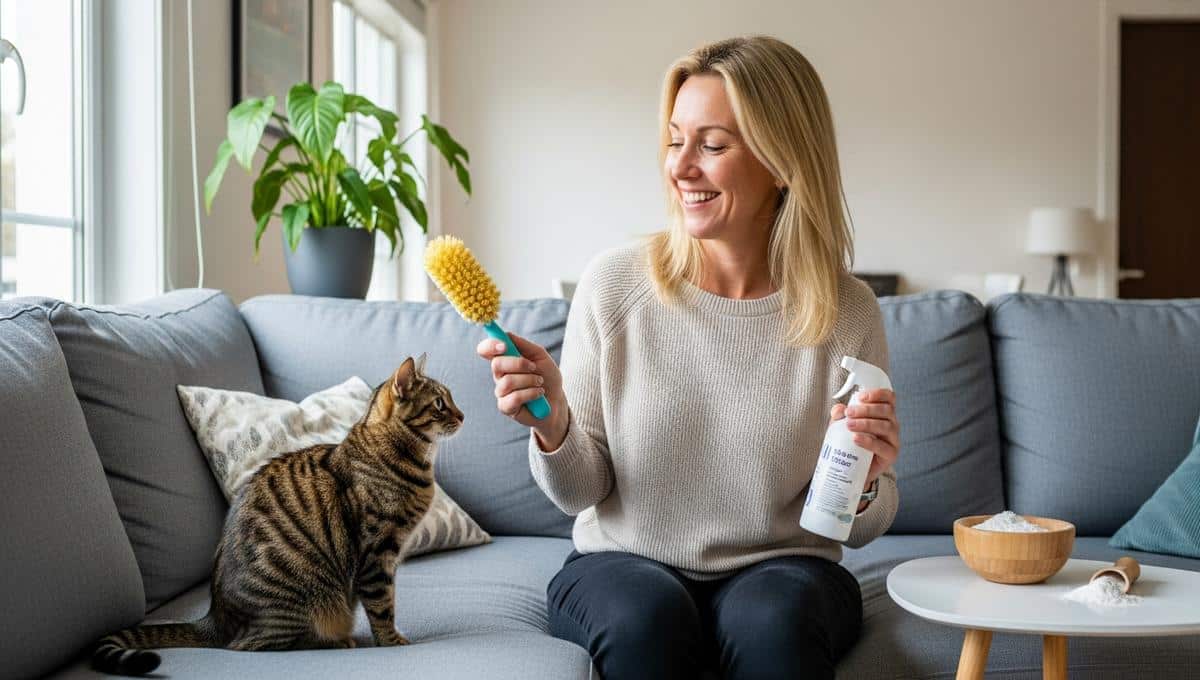
Your couch is the heart of your living room, yet it quietly endures spills, crumbs, and daily wear. Over time, dirt builds up deep within the fabric, making your favorite seat look dull. Fortunately, restoring its freshness is easier than you might think.
Why regular deep cleaning matters for your sofa
A sofa absorbs more than just our weight after a long day. It collects dust mites, pet hair, food particles, and even bacteria. Thus, a simple surface wipe is never enough to keep it truly clean.
Many people wait until visible stains appear before taking action. By then, grime has already settled deep into the fibers. As a result, removing it becomes much harder and may require harsh chemicals.
Deep cleaning your couch every three to six months prevents permanent damage. This routine also extends the lifespan of your furniture. In addition, it creates a healthier environment for your family and pets.
Understanding your fabric type before starting
Not all sofas are created equal, so cleaning methods vary. Leather, velvet, cotton, and synthetic blends each require specific care. Therefore, checking the manufacturer’s tag is always the first step.
« A quick look at the care label can save you from costly mistakes and keep your furniture looking new for years. »
The tag usually displays a letter code that guides your approach. A “W” means water-based cleaners are safe, while “S” indicates solvent-only products. Meanwhile, “WS” allows both options, and “X” requires professional cleaning only.
To readOven hack: this simple trick turns your regular oven into an air fryer in secondsIgnoring these codes can lead to shrinkage, discoloration, or fiber damage. Hence, taking a few seconds to read them is always worth it. This simple habit protects your investment over time.
Five effective methods to refresh your seating
Several household items work wonders on dirty upholstery. Baking soda, for instance, absorbs odors and loosens surface dirt. Sprinkle it generously, wait fifteen to twenty minutes, then vacuum thoroughly.
- Baking soda for odor removal and light stains
- White vinegar mixed with water for deeper cleaning
- Steam cleaning for bacteria elimination
- Mild dish soap for stubborn grease spots
- Cornstarch for fresh oil-based spills
White vinegar diluted with equal parts water tackles tougher marks. Spray the mixture lightly and blot with a microfiber cloth. Avoid soaking the fabric, as excess moisture encourages mold growth.
For greasy stains, cornstarch is remarkably effective. Apply it directly to the spot and let it sit for several hours. Afterward, vacuum the powder, and the oil should lift away with it.
Steam cleaning provides the deepest clean without chemicals. The high temperature kills dust mites and bacteria instantly. Moreover, it refreshes the texture and restores the original softness of the material.
Tackling common stains without panic
Coffee spills happen to everyone, yet they need not leave permanent marks. Blot the area immediately with a dry cloth to absorb the liquid. Then, apply a mix of water and mild soap in gentle circular motions.
Ink stains seem terrifying, but rubbing alcohol often saves the day. Dab a small amount on a cotton ball and press it against the mark. Patience is key here, as rushing can spread the ink further.
Pet accidents require enzyme-based cleaners for complete odor removal. Standard products only mask the smell temporarily. Consequently, the pet may return to the same spot again and again.
Protecting your couch from future damage
Prevention is always better than cure when it comes to furniture care. Removable covers offer a practical barrier against everyday messes. They are machine washable, which makes maintenance far simpler.
Placing your sofa away from direct sunlight reduces fading over time. UV rays break down fabric fibers and dull vibrant colors. Therefore, positioning furniture near shaded windows is a smart choice.
Regular vacuuming, at least once a week, removes dust before it settles deep. Use the upholstery attachment to reach crevices and seams. This habit alone can dramatically improve the appearance and hygiene of your seating.
To readCat scratching your couch: how to stop it with scratching posts, training and deterrentsFinally, treating your couch with a fabric protector spray adds an invisible shield. Liquids will bead up instead of soaking in, giving you time to wipe them away. Many sprays are affordable and last for several months after a single application.
Crédit photo © DivertissonsNous