
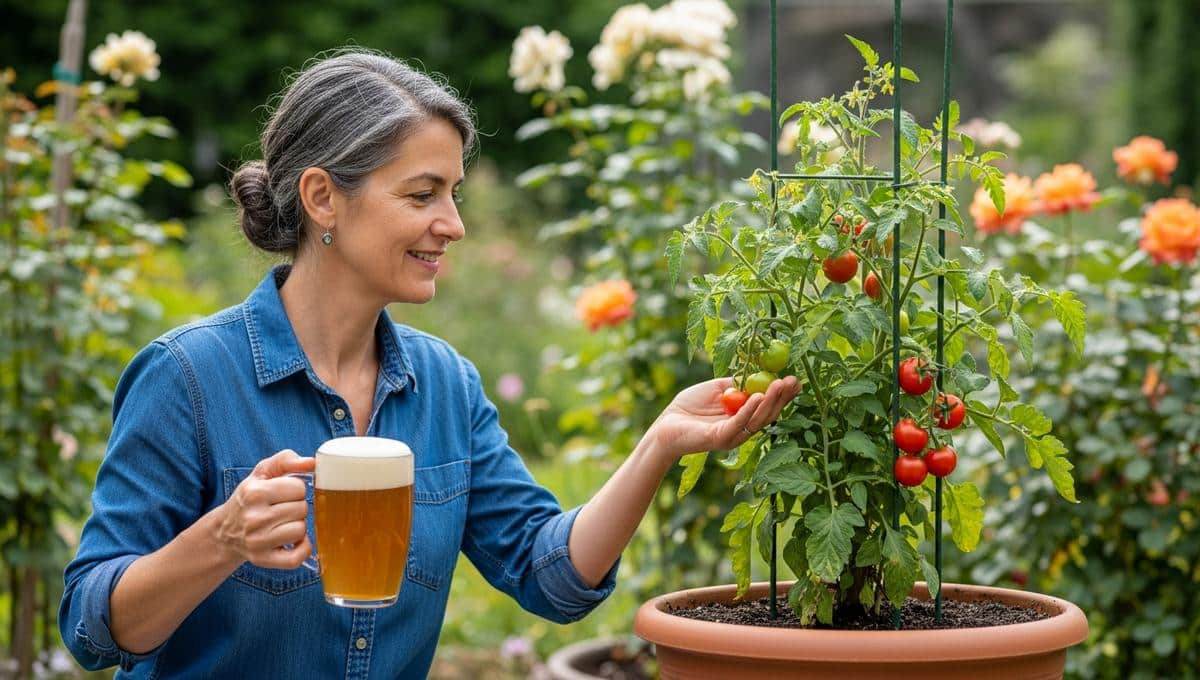
Every year, millions of liters of leftover drinks end up in the drain after parties and gatherings. Yet, one common beverage sitting flat on your table could become your garden’s best ally. This simple trick is gaining traction among eco-conscious gardeners in 2026.
Why your leftover beer deserves a second life in your garden
After a friendly aperitif, half-empty glasses often get tossed without a second thought. However, that stale beer contains nutrients your plants actually crave. Instead of pouring it down the sink, consider giving it a new purpose.
Beer is rich in yeast, potassium, and carbohydrates that can benefit soil health. These elements help stimulate microbial activity underground. As a result, your plants may absorb nutrients more efficiently.
This approach fits perfectly into a zero-waste lifestyle. Many households are now rethinking how they handle food and drink remnants. Using this beverage as fertilizer is both practical and sustainable.
« Flat beer acts as a mild organic fertilizer that feeds beneficial soil bacteria. »
The science behind beer as a plant booster
Yeast present in beer breaks down organic matter in the soil. This process releases nitrogen, which plants need for healthy leaf growth. Consequently, your greenery can appear more vibrant within weeks.
To readVertical shoe storage DIY frees up an entire mat in your entryway: the simple trick for a clutter-free homeThe sugars in this fermented beverage also attract earthworms. Earthworms aerate the soil and improve its structure naturally. Therefore, roots can spread more easily and access water better.
Experts suggest diluting beer with water before application. A ratio of one part beer to four parts water works best. This prevents any potential buildup of sugars that might attract pests.
- Dilute leftover beer with water at a 1:4 ratio
- Apply directly to soil, not on leaves
- Use once every two to three weeks maximum
- Best suited for outdoor plants and garden beds
- Avoid using flavored or sweetened craft varieties
How to apply this method correctly for best results
First, collect any flat beer from glasses or bottles after your gathering. Pour the liquid into a container and let it reach room temperature. Cold applications can shock plant roots, so patience matters here.
Next, mix your collected beverage with plain water in a watering can. Stir gently to ensure even distribution of nutrients. Then, water your plants at the base, avoiding direct contact with foliage.
Morning application tends to yield the best outcomes. The soil has time to absorb moisture before afternoon heat arrives. Additionally, this timing reduces the risk of fungal growth on damp surfaces.
You should limit this treatment to once every two or three weeks. Overuse can create an imbalance in soil chemistry. Moderation remains key when experimenting with homemade fertilizers.
Which plants respond best to this natural treatment
Garden roses seem to thrive with occasional beer applications. Their blooms often appear fuller and more colorful after several treatments. Many gardeners report noticeable improvements within a single growing season.
Vegetables like tomatoes and peppers also respond positively. These heavy feeders appreciate the extra potassium boost. As a result, fruit production may increase slightly over time.
Houseplants can benefit too, though with greater caution. Indoor environments lack natural drainage found outdoors. For this reason, use an even more diluted mixture for potted plants.
Common mistakes to avoid when using beer on plants
Never pour undiluted beverage directly onto your garden beds. The concentrated sugars can attract ants and other unwanted visitors. Proper dilution prevents most pest-related issues.
To readTomato seedlings: the early-day secret pro growers use for stronger plants that most gardeners skipAvoid using dark stouts or heavily hopped craft varieties. These contain additives that may harm delicate root systems. Light lagers and pilsners work far better for gardening purposes.
Some gardeners make the error of treating plants too frequently. Weekly applications can lead to mold growth in humid climates. Spacing out treatments allows soil to recover between feedings.
Finally, never spray this mixture on plant leaves during sunny hours. The liquid can act like a magnifying glass under direct sunlight. Leaf burn becomes a real risk without proper application technique. By following these guidelines, you can transform an ordinary leftover beverage into a powerful gardening tool.
Crédit photo © DivertissonsNous