
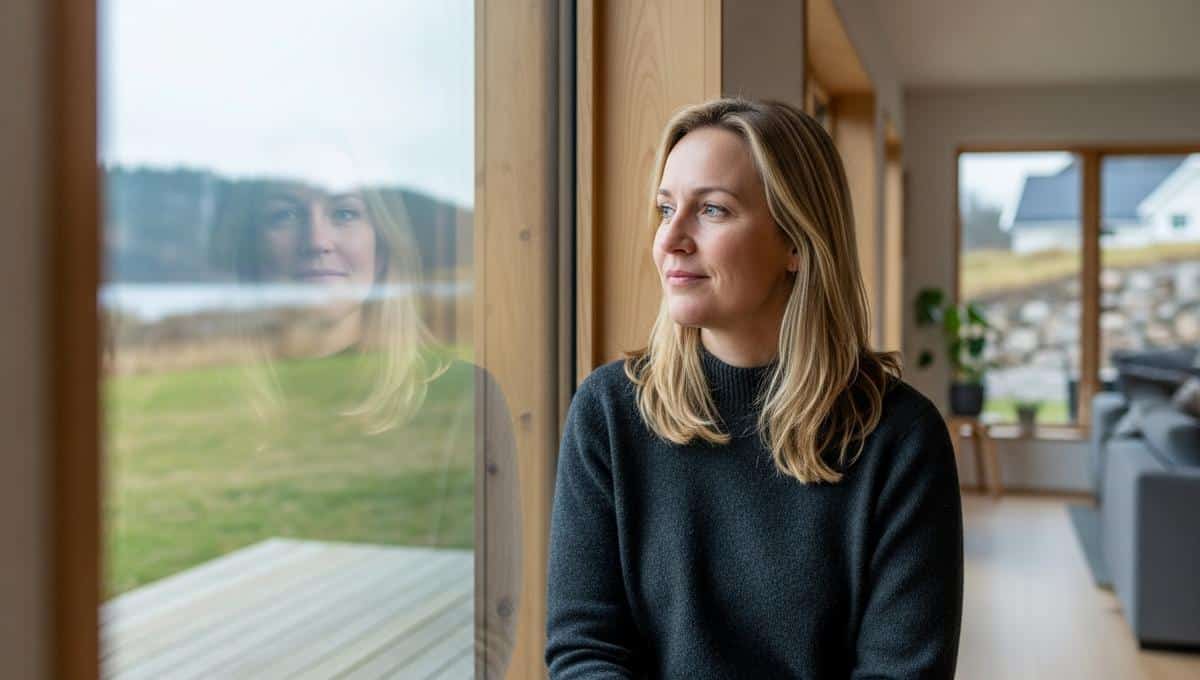
Imagine a home that stays warm all year without radiators, boilers, or sky-high energy bills. In Sweden, architects have made this dream a reality. The concept of living without heating is no longer science fiction—it’s happening right now in Scandinavian countries where winters are harsh and innovation thrives.
How Sweden pioneered a new way to heat homes
Swedish engineers have developed a revolutionary approach to residential comfort. Their method relies on extreme insulation and clever heat recovery systems. As a result, homes can maintain pleasant temperatures even when outdoor thermometers plunge below freezing.
The key innovation involves capturing heat from everyday activities. Cooking, showering, and even body warmth contribute to the indoor climate. Moreover, triple-glazed windows and airtight construction prevent precious warmth from escaping.
This approach represents a fundamental shift in how we think about heating. Traditional systems actively generate warmth, while passive houses simply retain it. Consequently, energy consumption drops by up to 90% compared to conventional buildings.
« We don’t need to burn fuel to stay comfortable—we just need to stop wasting the heat we already produce. »
The passive house standard explained
Passive houses follow strict criteria developed in Germany and refined across Europe. These buildings use less than 15 kWh per square meter annually for heating needs. In contrast, older homes often consume ten times that amount.
To readTomato seedlings: the early-day secret pro growers use for stronger plants that most gardeners skipThe secret lies in meticulous construction details. Every joint must be sealed, and thermal bridges must be eliminated. Furthermore, mechanical ventilation with heat recovery ensures fresh air without energy loss. Living without heating becomes possible when every design choice prioritizes efficiency.
For those seeking supplemental warmth in transitional spaces, the HeatPro electric heating mat offers a practical solution. With 330 W of power covering 2.8 m² at just 175 euros, it provides targeted comfort without compromising energy goals.
Real-world results from Swedish families
Families who have embraced this lifestyle report dramatic changes in their daily routines. Their homes stay at a steady 20-22°C throughout winter months. Additionally, they no longer worry about heating oil deliveries or gas price fluctuations.
The financial benefits become clear within the first year of occupancy. Annual heating costs drop from thousands of euros to mere hundreds. Thus, the higher initial construction cost pays for itself within a decade.
- Triple-glazed windows with insulated frames prevent heat loss
- Walls contain up to 40 cm of insulation material
- Heat exchangers recover 85-95% of outgoing warmth
- Solar orientation maximizes natural winter sun exposure
- Airtight construction eliminates drafts and cold spots
Children growing up in these homes develop different expectations about comfort. They associate warmth with smart design rather than fuel consumption. Perhaps this generation will find the concept of living without heating completely normal.
Beyond individual savings, the environmental impact deserves attention. Residential heating accounts for a significant portion of carbon emissions across Europe. By reducing this demand, passive houses contribute meaningfully to climate goals.
Challenges and practical considerations
Critics sometimes raise concerns about air quality in sealed buildings. However, mechanical ventilation actually improves indoor air compared to drafty older homes. Filters remove pollen, dust, and pollutants before fresh air enters.
Construction costs remain a barrier for some families. Building a passive house typically costs 10-15% more than standard construction. Yet energy savings accumulate year after year, eventually surpassing this initial premium.
Retrofitting existing homes presents greater challenges than new construction. Still, partial upgrades can achieve meaningful improvements. Better insulation and modern windows bring older buildings closer to passive standards.
Bringing this innovation to other countries
The Swedish model has inspired projects across Europe and beyond. France, Belgium, and Germany now have thousands of certified passive buildings. Similarly, architects in Canada and northern United States have adapted these principles to local climates.
Each region requires slight modifications to the basic approach. Southern climates must also prevent overheating during summer months. Therefore, shading strategies and thermal mass become equally important design elements.
Government incentives play a crucial role in spreading this technology. Some countries offer tax breaks or reduced permit fees for passive construction. Such policies make living without heating accessible to middle-income families, not just wealthy early adopters.
To readLeftover beer saves your plants in 2026: the surprising garden hack to try nowTraining programs for builders have expanded rapidly in recent years. Proper installation techniques matter as much as quality materials. Even small gaps in insulation can compromise the entire system’s performance.
The journey toward widespread adoption of living without heating continues to gain momentum. Each successful project demonstrates that comfort and sustainability can coexist beautifully. Homeowners who take this path often become passionate advocates, sharing their experience with neighbors and friends. The Swedish invention proves that sometimes the best heating system is one you barely notice—because it simply works, quietly and efficiently, day after day.
Crédit photo © DivertissonsNous