
Winter brings cold mornings and chilly rooms that make you want to stay under the covers. Many homeowners struggle with radiators that seem to take forever to warm up. An engineer has now shared a simple trick that speeds up heating while cutting energy bills.
Why your heating system feels slow and inefficient
You turn on the heat, yet the room stays cold for what feels like ages. This common frustration affects millions of households each winter. The problem often lies not with the heating unit itself, but with trapped air inside the system.
Air bubbles naturally form inside heating circuits over time. These pockets block hot water from circulating properly through your radiators. As a result, some parts stay warm while others remain completely cold to the touch.
Moreover, this issue forces your boiler to work much harder than necessary. The system keeps running, trying to reach the set temperature. Your energy consumption rises, yet comfort levels stay disappointingly low.
« Bleeding your radiators once or twice per year can improve heating efficiency by up to 30 percent while reducing energy waste significantly. »
The engineer’s simple solution anyone can apply
A thermal engineer recently validated a technique that homeowners can do themselves. The process, called bleeding, removes trapped air from heating units. It requires only a simple key and takes just minutes per unit.
To readTomato seedlings: the early-day secret pro growers use for stronger plants that most gardeners skipFirst, turn off your heating system and let it cool down completely. Then, locate the small valve at the top corner of each unit. Place a cloth beneath it to catch any water drips that may escape during the process.
Next, insert the bleed key and turn it slowly counterclockwise. You will hear a hissing sound as air escapes from inside. Once water starts flowing steadily, close the valve quickly and move to the next room.
- Turn off heating and wait for the system to cool
- Find the bleed valve on each heating unit
- Use a radiator key to open the valve slowly
- Listen for hissing air, then watch for water
- Close the valve and check boiler pressure afterward
Understanding the science behind better heat distribution
Hot water naturally rises while cold water sinks in any closed system. When air gets trapped at the top of your radiators, it creates a barrier. This barrier prevents hot water from reaching the full surface area of the metal panels.
Consequently, the lower sections may feel warm while upper portions stay cold. Many people assume their units are faulty or too old. In reality, a five-minute fix often solves the entire problem without any cost.
The IRSAP TESI ALLEGE offers a modern approach to home heating with its decorative electric design. Priced at 969 euros with 500W power output, this orange-colored unit combines style with energy-efficient performance.
After bleeding, you should check your boiler pressure gauge immediately. The ideal reading sits between 1 and 1.5 bar for most systems. If pressure drops too low, use the filling loop to add water back into the circuit.
Signs that indicate your system needs attention
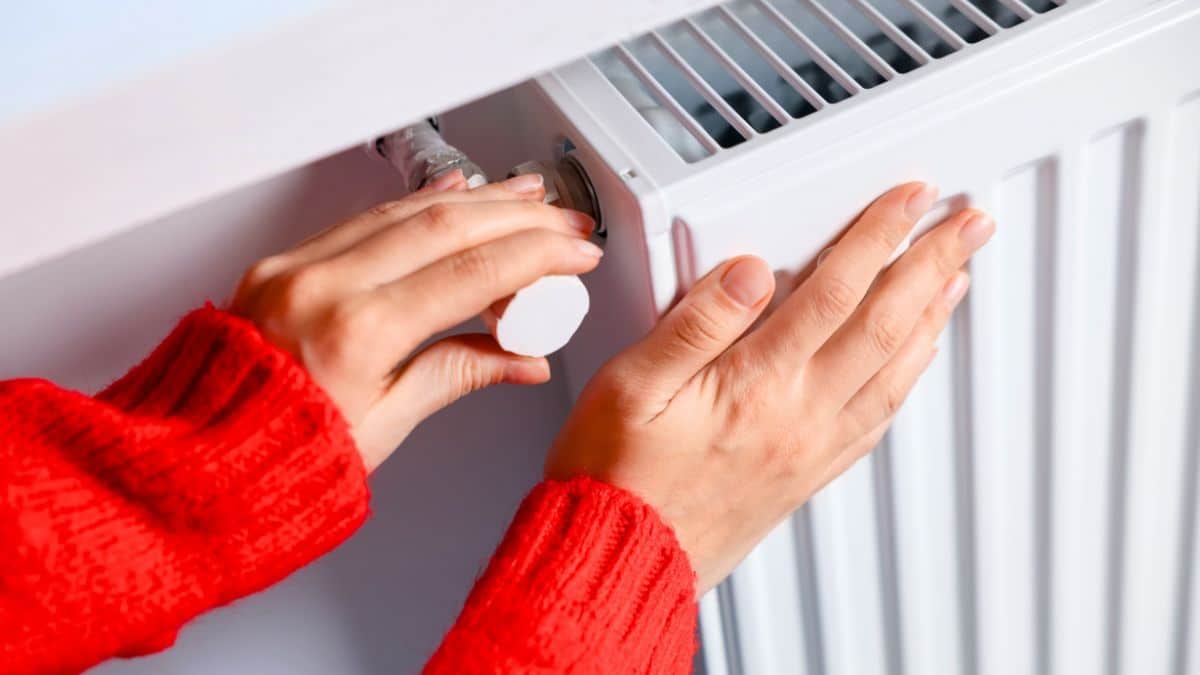
Cold spots on heating units represent the most obvious warning sign. Run your hand across the surface from bottom to top. Any dramatic temperature change suggests air is trapped inside that section.
Strange gurgling or banging noises also indicate air circulation problems. These sounds occur when water struggles to flow past air pockets. Addressing the issue promptly prevents long-term damage to your boiler and pipes.
Additionally, rooms that heat unevenly deserve closer inspection. One space may feel comfortable while another stays freezing cold. This pattern often points to individual units that need bleeding rather than system-wide faults.
Maximizing savings through regular maintenance habits
Experts recommend bleeding your radiators at least once before each heating season begins. Autumn marks the perfect time for this simple maintenance task. Your system will then perform optimally when cold weather actually arrives.
To readLeftover beer saves your plants in 2026: the surprising garden hack to try nowBeyond bleeding, keeping furniture away from heating units improves air flow dramatically. Sofas placed directly against panels absorb warmth that should circulate into the room. Even a 10-centimeter gap makes a noticeable difference in comfort levels.
Thermostatic valves on individual units give you precise control over each room. Set lower temperatures in rarely used spaces to conserve energy. Meanwhile, living areas and bedrooms can maintain higher, more comfortable settings throughout the day.
Finally, reflective panels placed behind wall-mounted units push heat back into rooms. This inexpensive addition prevents warmth from escaping through exterior walls. Studies show this technique can boost heating efficiency by up to 25 percent in older homes with poor insulation.
Crédit photo © DivertissonsNous