
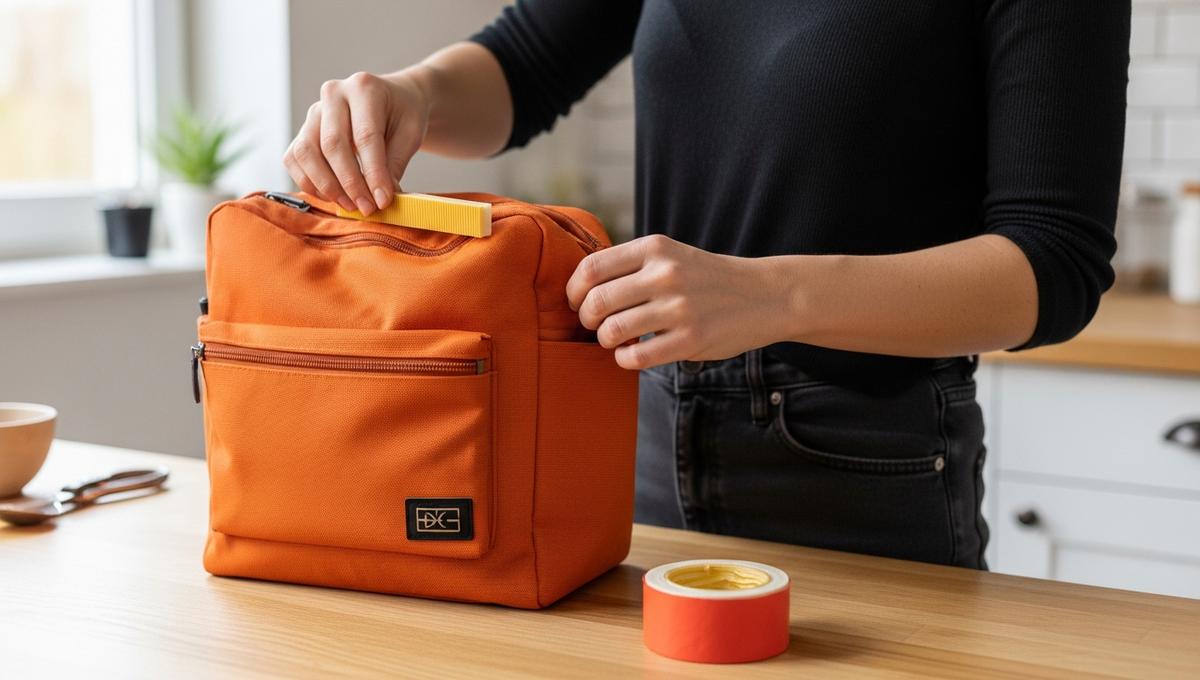
Rain can strike at any moment, leaving your favorite bag soaked and its contents ruined. Yet there is a simple, natural solution that transforms any fabric into a water-repellent shield. This clever method uses an age-old ingredient to protect your belongings without expensive sprays or chemicals.
Why your everyday bag needs waterproof protection
Most fabric bags lack proper water resistance from the factory. Canvas, cotton, and even some synthetic blends absorb moisture quickly. As a result, your phone, wallet, and documents face potential water damage during unexpected showers.
Think about your daily routine for a moment. You carry your tote to work, to the market, or on weekend outings. Each time clouds gather, you worry about what might get wet inside. This constant anxiety is both exhausting and unnecessary.
Fortunately, a natural waterproofing technique exists that costs very little. It works on most fabric types and lasts for several months. Moreover, the process takes less than an hour from start to finish.
« A well-protected bag becomes your reliable companion through every season and weather condition. »
The secret ingredient behind tent-like water resistance
Beeswax serves as the foundation of this waterproofing method. For centuries, people have used it to seal leather and fabric against moisture. The wax creates a protective barrier that causes water to bead up and roll away.
To readTomato seedlings: the early-day secret pro growers use for stronger plants that most gardeners skipBeeswax comes in natural bar form and remains the key waterproofing ingredient. You will need approximately 30 to 50 grams depending on your bag size. This amount ensures complete coverage without leaving excess residue on the fabric surface.
Unlike chemical sprays, beeswax poses no health risks during application. It carries a subtle, pleasant honey scent that fades over time. Additionally, it conditions the fabric and can extend the life of your beloved accessory.
Step-by-step guide to waterproofing your bag at home
First, clean your bag thoroughly and let it dry completely. Any dirt or stains will become sealed under the wax layer. Thus, proper preparation ensures the best possible results.
Next, rub the beeswax bar directly onto the fabric in even strokes. Work section by section, covering seams and corners with extra attention. These areas often let water seep through first during heavy rain.
- Clean and dry the bag completely before starting
- Apply beeswax in firm, overlapping strokes across all surfaces
- Use a hairdryer on medium heat to melt the wax into fibers
- Let the bag cool for ten minutes between coats
- Test water resistance by sprinkling drops on the treated fabric
After applying the wax, heat helps it penetrate the fibers deeply. A standard hairdryer works perfectly for this step. Hold it about 15 centimeters from the surface and move it slowly across each section.
The wax will turn from white and chalky to clear and smooth. This visual change confirms proper absorption into the material. Repeat the process on any spots that still appear matte or uneven.
Materials you will need for this project
Gather your supplies before beginning the waterproofing process. You need a natural beeswax bar, a hairdryer, and a clean cloth. Some people prefer using a heat gun, though lower temperatures work just as well.
A flat workspace protects your floors and furniture from wax drips. Lay down newspaper or an old towel underneath your bag. This simple setup makes cleanup quick and easy afterward.
Consider buying extra beeswax for future touch-ups on your bag. High-traffic areas like handles and bottom panels may need reapplication sooner. Most users find that one thorough treatment lasts through an entire rainy season.
Tips for maintaining your newly waterproof bag
Your treated bag now repels water much like a camping tent. However, proper care extends this protection significantly. Avoid machine washing, as hot water and detergent strip away the wax coating.
Instead, wipe the surface with a damp cloth when cleaning becomes necessary. Stubborn spots respond well to gentle spot treatment with mild soap. Always let the bag air dry completely before storing it away.
Watch for signs that the waterproofing needs renewal over time. Water that soaks in rather than beading up signals diminished protection. At that point, simply repeat the beeswax application process described above.
To readLeftover beer saves your plants in 2026: the surprising garden hack to try nowThis natural method works beautifully on backpacks, totes, and messenger styles alike. Many people treat multiple bags in one afternoon session. By doing so, they protect their entire collection with minimal effort and expense.
Crédit photo © DivertissonsNous