
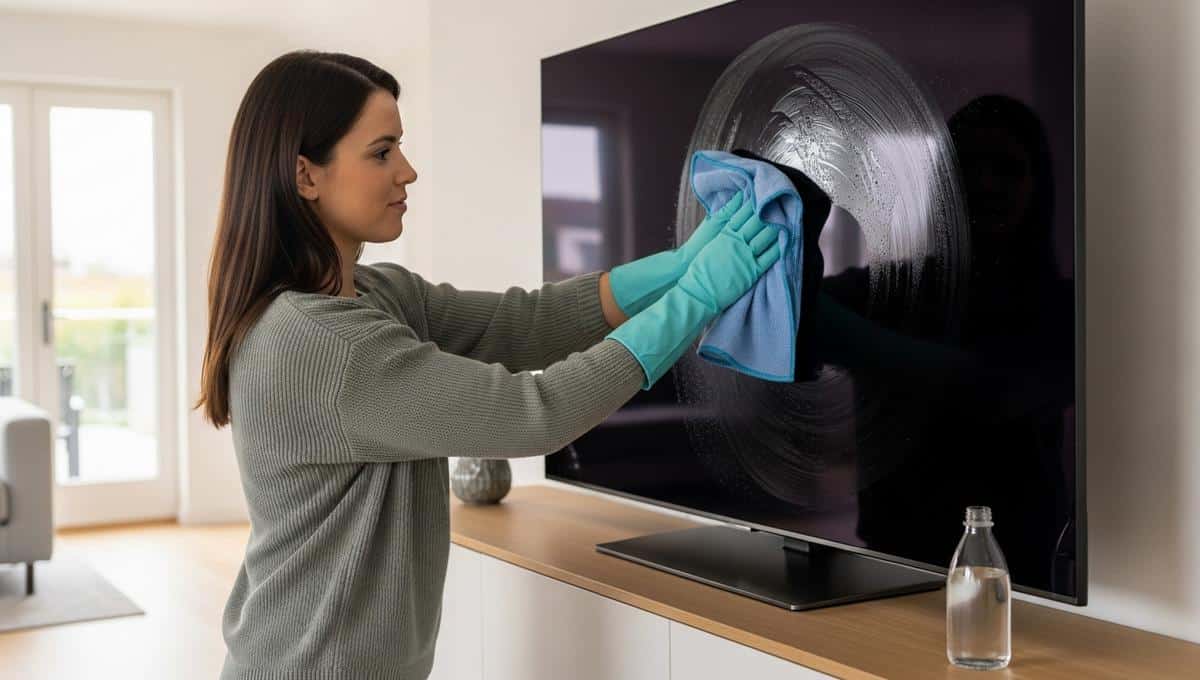
Dust, fingerprints, and smudges can quickly turn your beautiful TV screen into a blurry mess. Yet many people unknowingly damage their displays by using the wrong cleaning methods. Understanding how to properly care for your television protects your investment and ensures the best picture quality for years to come.
Why your TV screen needs special attention
Modern televisions feature delicate surfaces that differ greatly from old glass-based screens. LCD, LED, OLED, and QLED panels use thin layers of sensitive materials. As a result, harsh chemicals or rough fabrics can cause permanent damage within seconds.
Many households make the mistake of treating their display like a window or mirror. However, standard glass cleaners often contain ammonia or alcohol in high concentrations. These substances strip away protective coatings and leave visible marks on your TV screen.
Manufacturers specifically warn against using paper towels, tissues, or regular cloths. These materials feel soft but actually contain wood fibers that scratch surfaces. Over time, micro-scratches accumulate and reduce image clarity significantly.
« A single improper cleaning session can cause more damage than years of normal use. »
The hidden dangers of common household products
Window cleaners rank among the worst choices for television maintenance. Their ammonia content attacks anti-reflective coatings aggressively. Once damaged, these coatings cannot be restored without professional intervention.
To readChia seeds helped me lose 4 kg in one month: 7 simple tips to add them to your dietVinegar solutions, while popular for eco-friendly cleaning, pose risks as well. The acidic nature of vinegar can etch sensitive display surfaces. Pure water remains the safest liquid option for routine maintenance tasks.
Disinfectant wipes have gained popularity since recent health concerns emerged. Nevertheless, most contain alcohol levels above 70 percent, which proves too harsh for screens. Specialized screen wipes offer a safer alternative when sanitization seems necessary.
The right tools and techniques for spotless results
A microfiber cloth serves as the foundation of proper TV screen care. These cloths feature ultra-fine fibers that trap dust without scratching. Quality microfiber costs little but protects displays worth hundreds or thousands of dollars.
Distilled water works best when moisture becomes necessary for cleaning. Tap water contains minerals that leave residue and spots behind. Mixing 50 percent distilled water with 50 percent isopropyl alcohol at low concentration creates an effective solution.
- Always power off and unplug your television before cleaning
- Never spray liquid directly onto the screen surface
- Use gentle circular motions without applying pressure
- Allow the display to dry completely before turning it back on
- Clean your microfiber cloth regularly to remove trapped particles
The proper technique matters as much as the tools you choose. Spraying cleaner onto your cloth rather than the display prevents liquid damage. Light pressure removes smudges effectively without stressing the panel beneath.
Step-by-step cleaning process for best results
Start by dusting the entire TV screen with a dry microfiber cloth. This step removes loose particles that could scratch during wet cleaning. Move from top to bottom in straight, overlapping strokes for complete coverage.
For stubborn marks, dampen a corner of your cloth very slightly. The fabric should feel barely moist, not wet or dripping. Work on one small area at a time using gentle circular movements.
Finish by going over the surface once more with a dry section of cloth. This final pass removes any remaining moisture or streaks. Your display should look crystal clear and completely dry within minutes.
Maintaining your display between deep cleanings
Regular dusting prevents buildup that requires more aggressive cleaning later. A quick wipe every few days keeps your TV screen looking fresh. This simple habit extends the time between thorough cleaning sessions considerably.
Placement affects how quickly your television collects dust and grime. Units near windows gather more particles from outside air circulation. Moving your set away from direct airflow reduces maintenance needs noticeably.
To readSneakers turning yellow: 5 tips that actually work to whiten them at homeTeaching family members proper screen etiquette helps tremendously. Children especially tend to touch displays with sticky or dirty fingers. Establishing a no-touch rule preserves your panel’s pristine condition longer.
Consider investing in a screen cover for televisions in high-traffic areas. These protective accessories shield against dust, fingerprints, and accidental contact. Removing them takes seconds when viewing time arrives each evening.
Crédit photo © DivertissonsNous