
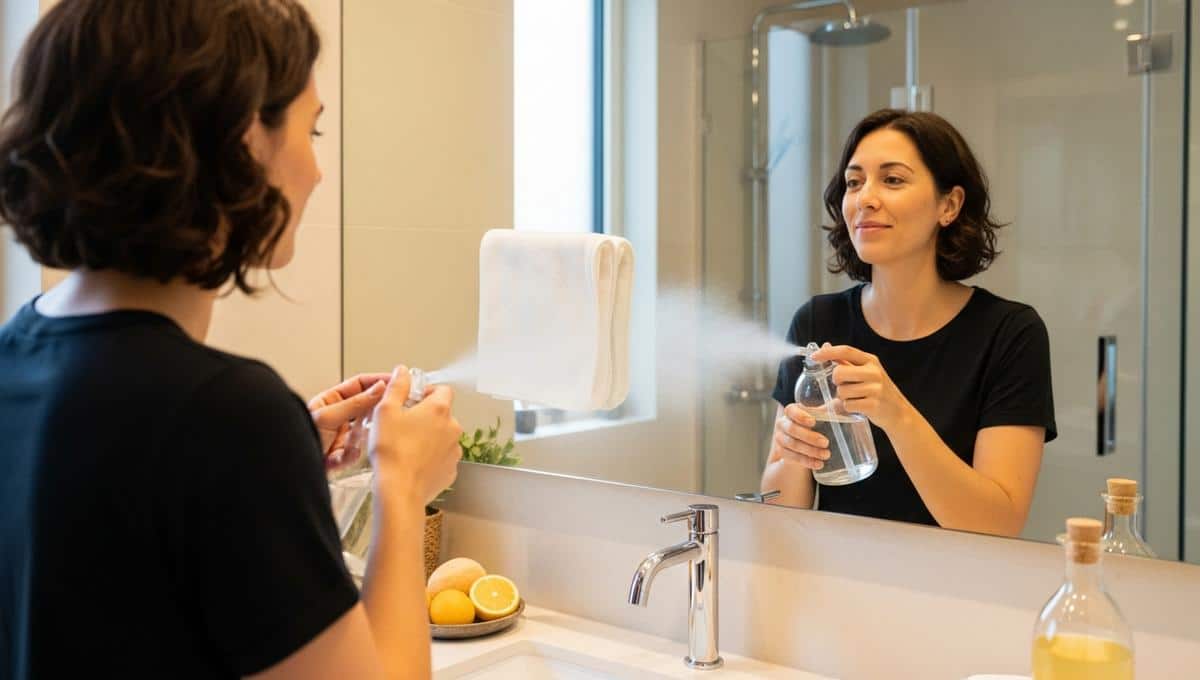
A spotless mirror can transform any room, yet streaks and smudges often seem impossible to avoid. Learning how to clean a mirror properly requires the right techniques and simple household ingredients. This guide shares proven methods that leave your mirrors crystal clear without expensive products.
Why mirrors get dirty so quickly
Mirrors attract dust, fingerprints, and water spots faster than most surfaces in your home. The reflective coating amplifies every tiny imperfection, making even small marks highly visible. Bathroom mirrors face additional challenges from steam, toothpaste splatters, and soap residue that build up daily.
Hard water creates mineral deposits that leave cloudy patches on glass surfaces. These stubborn stains bond with the mirror over time, becoming increasingly difficult to remove. Regular cleaning prevents this buildup and keeps your mirrors looking pristine for longer periods.
Many people struggle because they use too much product or the wrong materials. Paper towels leave lint behind, while certain chemical cleaners can damage mirror coatings. Understanding these common mistakes helps you clean a mirror more effectively from the start.
« A streak-free mirror reflects not just your image, but your attention to detail in home care. »
The science behind streak-free glass
Streaks form when cleaning solution evaporates unevenly across the surface. This happens because minerals and residues in the liquid dry at different rates. Working in sections and using proper wiping techniques eliminates this frustrating problem.
Temperature plays a crucial role in achieving perfect results. Warm water dissolves grime more effectively than cold, yet hot surfaces cause solutions to evaporate too quickly. Consequently, cleaning mirrors at room temperature produces the best outcomes.
Natural ingredients that work wonders
White vinegar stands as the most effective natural solution for mirror cleaning. Its acidic properties cut through grease and mineral deposits without harsh chemicals. Mix one part vinegar with one part water in a spray bottle for an excellent homemade cleaner.
To readSneakers turning yellow: 5 tips that actually work to whiten them at homeRubbing alcohol offers another powerful option, especially for removing hairspray and sticky residues. It evaporates quickly, which reduces streaking significantly. Add a few drops to your vinegar solution for enhanced cleaning power.
Lemon juice provides similar benefits to vinegar while leaving a fresh scent behind. This citrus alternative works particularly well on bathroom mirrors exposed to soap scum. Furthermore, its natural antibacterial properties help sanitize surfaces during the cleaning process.
- White vinegar mixed with distilled water creates an effective all-purpose solution
- Microfiber cloths outperform paper towels for streak-free results
- Rubbing alcohol removes stubborn hairspray and cosmetic residues
- Newspaper provides surprising polishing power when used correctly
- Cornstarch added to solutions helps absorb grease and grime
Preparing your homemade cleaning solution
Start by gathering a clean spray bottle, white vinegar, and distilled water. Tap water contains minerals that leave spots, so distilled water produces noticeably better results. Measure equal parts of each ingredient and shake gently to combine.
For heavily soiled mirrors, increase the vinegar concentration slightly. You can also add one tablespoon of cornstarch per cup of solution to boost cleaning power. This mixture tackles tough stains while remaining gentle on mirror surfaces.
Store your solution in a cool, dark place to maintain its effectiveness. Label the bottle clearly and keep it away from children. When ready to clean a mirror, shake the bottle briefly before each use.
Step-by-step technique for perfect results
Begin by removing loose dust with a dry microfiber cloth. This prevents scratching during the wet cleaning phase. Move the cloth in broad, sweeping motions from top to bottom across the entire surface.
Next, spray your cleaning solution lightly across the mirror. Avoid saturating the edges where liquid can seep behind the glass. Too much moisture damages the backing material and creates permanent dark spots over time.
Wipe the mirror using an S-pattern or Z-pattern motion starting at the top corner. This technique ensures complete coverage without spreading dirt to already-cleaned areas. Additionally, it prevents the circular marks that occur with traditional wiping methods.
Finish by buffing with a dry portion of your microfiber cloth. Apply light pressure and use small circular motions for this final step. The result should be a perfectly clear surface that reflects light evenly across its entire area.
Tackling stubborn stains and buildup
Toothpaste splatters require targeted treatment before general cleaning. Dampen a cloth with warm water and hold it against the stain for thirty seconds. The moisture softens the residue, making removal much easier.
Hard water stains respond well to undiluted white vinegar applied directly to the affected area. Let it sit for five to ten minutes before wiping clean. Stubborn deposits may need multiple treatments over several days.
To readTV screen cleaning: the simple method to remove dust and fingerprints without damageFor cosmetic residue like hairspray, pure rubbing alcohol works exceptionally well. Apply it to a cotton pad and gently rub the sticky areas. Once dissolved, proceed to clean a mirror with your regular solution.
Tools that make the difference
Microfiber cloths represent the single best investment for mirror care. Their fine fibers trap dirt particles instead of pushing them around the surface. Keep dedicated cloths for mirrors only, washing them separately from other household rags.
Surprisingly, newspaper remains an effective polishing tool despite modern alternatives. The ink acts as a mild abrasive that buffs glass to a brilliant shine. However, this method works best as a final step after initial cleaning with liquid solution.
Squeegees offer professional-quality results when used correctly. They remove cleaning solution evenly and quickly, preventing streaks from forming. Choose a squeegee with a soft rubber blade sized appropriately for your mirrors.
A spray bottle with an adjustable nozzle gives you better control over solution distribution. Fine mist settings work best for mirrors, delivering even coverage without excess liquid. Consequently, you’ll use less product while achieving superior results when you clean a mirror this way.
Crédit photo © DivertissonsNous