
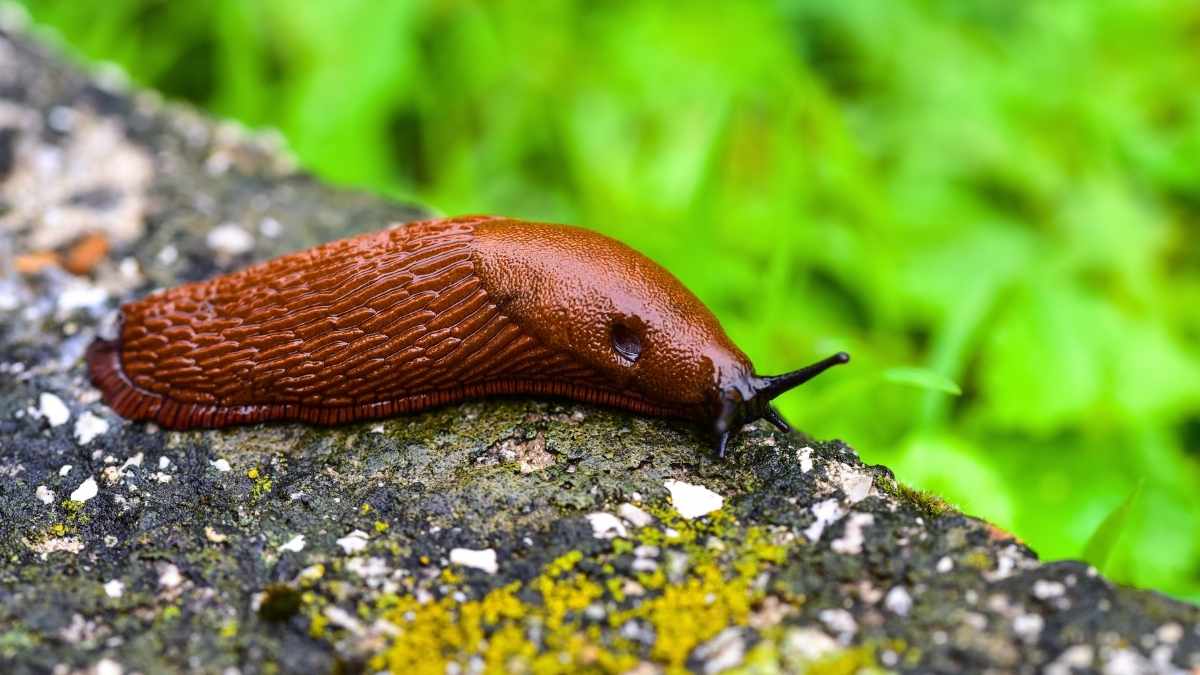
Every spring, gardeners face the same frustrating enemy: slugs. These slimy pests can destroy an entire lettuce bed overnight. Yet, the popular beer trap method might actually be chemicals things worse in your vegetable garden.
Why the beer trap method backfires on your crops
For decades, gardeners have placed shallow containers filled with beer near their plants. The idea seems simple and logical. Slugs are attracted to the yeast smell, fall in, and drown. However, reality tells a different story.
The strong fermentation odor travels far beyond your garden borders. As a result, slugs from neighboring areas are drawn to your plot. Instead of eliminating local pests, you create a magnet for even more invaders. Your salads become collateral damage in this backfired strategy.
Moreover, beer traps require constant maintenance. Rain dilutes the liquid quickly. You must refill them every two days for any effect. Meanwhile, the attracted slugs feast on your vegetables before reaching the trap.
« The beer trap attracts three times more slugs than it kills, turning your garden into a buffet for pests from the entire neighborhood. »
Understanding slug behavior in your garden
Slugs thrive in moist, cool environments. They hide during the day under debris, stones, or thick mulch. At night, they emerge to feed on tender plant leaves. This nocturnal pattern makes them difficult to spot until damage appears.
These gastropods can travel up to 50 meters in a single night. Consequently, a beer trap’s scent radius works against you. Your garden becomes a destination rather than a protected zone. The pests arrive hungry and ready to eat.
Effective alternatives that actually protect your plants
Fortunately, several proven methods exist to control slugs without attracting more. Physical barriers remain among the most reliable options. Copper tape around raised beds creates a mild electric charge that repels these pests. Similarly, crushed eggshells or sharp gravel deter their soft bodies.
To readMakeup after 50: the 4-dot trick is the most effective way to lift drooping eyelids according to a pro artistPortland Garden — anti-limaces 1% offers a solution approved for organic farming. This product works effectively while respecting environmental standards. Gardeners can use it confidently on edible crops without chemical concerns.
Biological controls have gained popularity in recent years. Nematodes, microscopic worms, naturally parasitize slugs in the soil. You apply them with water during mild, damp weather. Within weeks, the slug population drops significantly.
- Install copper barriers around vulnerable plants
- Encourage natural predators like hedgehogs and birds
- Water in the morning so soil dries by evening
- Remove hiding spots such as boards and dense debris
- Hand-pick slugs at dusk when they emerge
Natural predators as your garden allies
Nature provides excellent slug control through predators. Hedgehogs can eat dozens of slugs per night. Ground beetles, frogs, and toads contribute to the effort. By creating wildlife-friendly spaces, you build a natural defense system.
Birds such as thrushes and blackbirds actively hunt these pests. A shallow water source attracts them to your garden. Avoid pesticides that harm these helpful creatures. Over time, a balanced ecosystem reduces pest pressure naturally.
Swissinno — pièges à limaces with bait provides a 100% natural and reusable trapping solution. Unlike beer traps, this system contains the attractant within a covered device. Therefore, it targets slugs already in your garden without drawing outsiders.
Creating long-term protection for your vegetable patch
Prevention remains the best strategy against persistent slug problems. Start by modifying your garden’s environment. Remove excessive mulch near tender seedlings during wet periods. This simple change eliminates their favorite hiding spots.
Raised beds offer multiple advantages for slug management. The edges create natural barriers when combined with copper tape. Additionally, better drainage reduces the moist conditions these pests prefer. Your vegetables grow stronger in this protected environment.
Ferramol, based on iron phosphate, presents an effective organic option. This substance occurs naturally in soil and breaks down harmlessly. Slugs stop feeding shortly after ingestion. It poses no risk to pets, wildlife, or children playing nearby.
Timing your planting strategically helps avoid peak slug activity. Start seedlings indoors until they develop sturdy leaves. Transplant during dry spells when pest activity decreases. Larger plants withstand minor nibbling much better than fragile sprouts.
Portland Garden — anti-limaces 3% delivers three times the concentration of standard formulas. A single kilogram covers up to 1,428 square meters, making it economical for larger gardens. This strength ensures reliable protection even during heavy infestations.
To readGarden bugs gone in days: this natural method eliminates them without chemicalsCompanion planting introduces natural repellents into your beds. Garlic, rosemary, and fennel emit scents that slugs dislike. Place these aromatic plants around vulnerable crops. They add culinary value while serving a protective purpose.
Regular evening patrols catch slugs before they cause extensive damage. Wear gloves and collect them into a bucket of soapy water. Though time-consuming, this method provides immediate results. Many gardeners find it surprisingly satisfying to take direct action against these persistent pests.
Crédit photo © DivertissonsNous