
Cats digging up seeds and birds pecking at young shoots can turn months of hard work into frustration. Yet a simple kitchen item might be the solution you never expected. This clever trick for your vegetable garden costs almost nothing and takes just minutes to set up.
Why cats and birds target your precious seedlings
Freshly turned soil acts like a magnet for neighborhood cats. They see soft, loose earth as the perfect spot for their daily needs. As a result, your carefully planted rows become their personal litter box.
Birds pose a different challenge to any vegetable garden. They spot tender seedlings from above and swoop down for an easy meal. Small seeds like lettuce, carrots, and radishes often vanish before they even sprout. Meanwhile, larger birds scratch the surface in search of worms and insects.
The damage goes beyond lost seeds. Cat urine can burn plant roots and alter soil chemistry. Their digging disturbs root systems of established plants nearby. For many gardeners, this cycle of replanting becomes exhausting and costly.
« The fork method creates a visual and physical barrier that animals simply prefer to avoid, without causing them any harm. »
Understanding animal behavior in outdoor spaces
Cats naturally seek soft ground for burying waste. They return to the same spots when successful, so one visit often leads to many more. Breaking this habit requires making the area less appealing without using harsh chemicals.
To readVegetable garden under snow: 7 little-known tips and a simple fleece that turn freezing cold into an ally this winterBirds rely heavily on sight when hunting for food. Anything unusual or potentially threatening makes them cautious. This instinct works in your favor when you add unexpected elements to garden beds. Small changes in the landscape can redirect their attention elsewhere.
The plastic fork trick that protects your plants
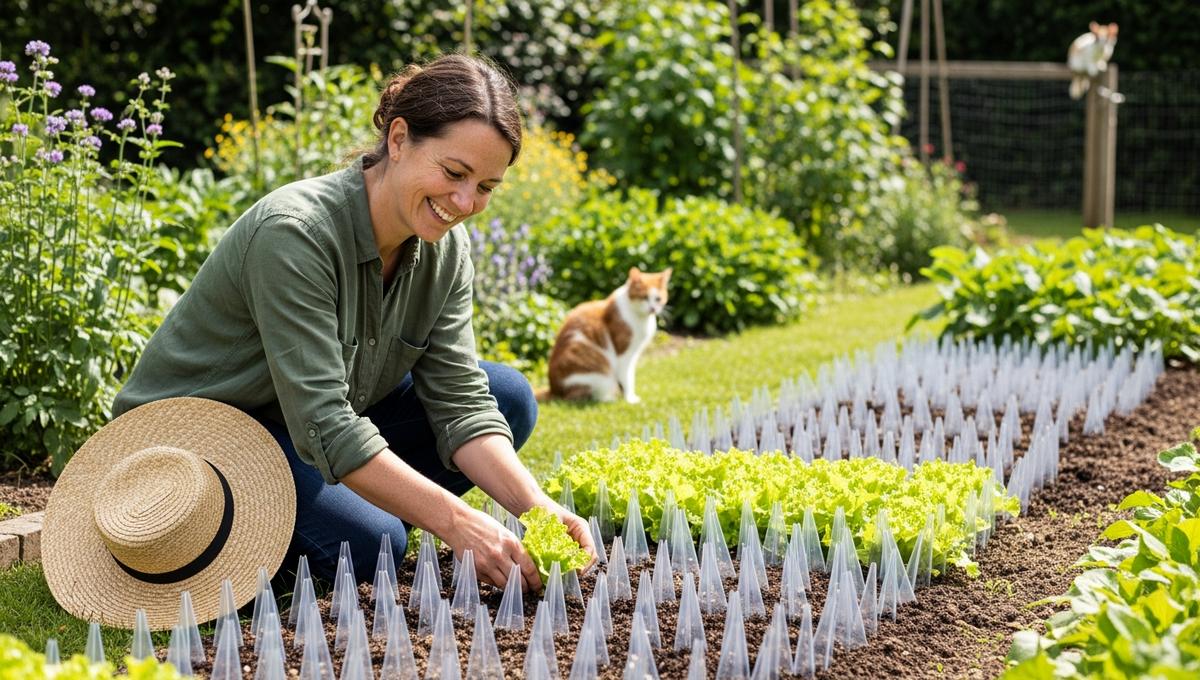
This method uses ordinary plastic forks placed prongs-up throughout your planting area. The visual effect resembles small spikes covering the soil. Animals see these obstacles and choose to move on to easier ground. It sounds almost too simple, but countless gardeners report excellent results.
Spacing matters when setting up this defense system. Place forks every 8 to 10 centimeters across the entire bed. Push them deep enough to stay upright in wind and rain. The prongs should stick up about 5 centimeters above soil level.
Clear or white forks work best for this purpose. They catch light and create subtle movement that birds notice from above. Colored forks blend in too much and lose some effectiveness. Dollar stores sell packs of 50 or more for very little money.
- Use clear or white plastic forks for maximum visibility
- Space forks 8-10 cm apart in all directions
- Push handles firmly into soil so prongs face upward
- Replace any forks that become damaged or fall over
- Remove forks gradually once plants grow strong enough
When to remove the fork barrier
Seedlings need protection during their most vulnerable weeks. Once plants reach 10 to 15 centimeters tall, they become less attractive to most pests. At this stage, you can start removing forks from the center of beds. Leave outer rows protected a bit longer for extra safety.
Save your forks for reuse next season. Rinse them off and store in a dry place over winter. Most plastic forks last several growing seasons with proper care. This makes the method even more budget-friendly over time.
Other gentle methods to protect your vegetable garden
The fork technique works well alongside other animal deterrents. Combining methods often gives the best protection for a vegetable garden under heavy pest pressure. Consider adding one or two extra layers of defense during peak sowing periods.
Chicken wire laid flat on the soil creates another physical barrier. Cut pieces to fit your bed size and secure corners with stakes. Plants grow up through the mesh while animals cannot dig. This approach works especially well for larger seeds like beans and peas.
Reflective tape or old CDs hung nearby keep birds at a distance. The moving light confuses and startles them. Change positions every few days so birds do not grow used to them. This method pairs perfectly with ground-level fork protection.
Strong scents can repel cats without harming them or your plants. Citrus peels scattered between rows work for some gardeners. Others find success with lavender or rosemary planted at bed edges. These aromatic herbs serve double duty as companion plants in any vegetable garden.
To readVegetable garden: this summer, boost seed germination and save water with a simple wet clothMotion-activated sprinklers provide dramatic results but cost more money. A sudden spray of water teaches animals to avoid the area quickly. Most models run on batteries and connect to standard garden hoses. They work day and night without any effort from you.
Netting stretched over hoops creates a complete physical barrier above your beds. This method stops birds entirely while allowing rain and sun through. Lightweight garden fabric does the same job during cooler months. Both options protect young vegetable garden plants until they mature.
Patience remains your greatest tool when dealing with persistent pests. Animals eventually learn that your garden offers nothing easy. Consistent use of deterrents over several weeks trains them to look elsewhere. Your seedlings gain the time they need to establish strong root systems.
Crédit photo © DivertissonsNous