
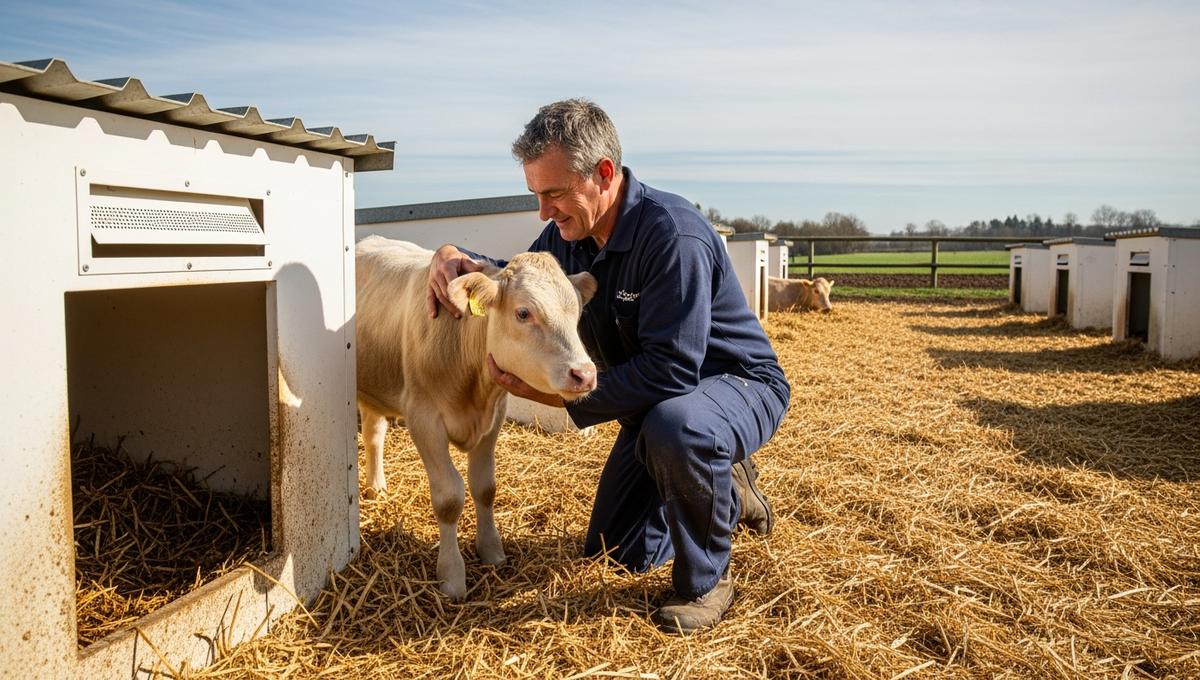
Raising young cattle requires attention to detail, especially when it comes to their living conditions. For dairy calves, the first weeks of life are crucial for their long-term health and productivity. Proper housing can make the difference between thriving animals and costly veterinary bills.
Why housing matters so much for young cattle
The environment where calves spend their early days shapes their immune system and growth patterns. A well-designed shelter protects them from harsh weather while allowing fresh air circulation. In contrast, poor ventilation leads to respiratory diseases that affect up to 30% of calves on some farms.
Temperature control plays a vital role in calf welfare. Newborns cannot regulate their body heat as efficiently as adult cows. Therefore, they need bedding that keeps them warm and dry during cold spells. Straw remains one of the most effective materials for insulation.
Space allocation deserves careful thought as well. Overcrowding increases stress levels and disease transmission among young animals. Experts recommend providing at least 1.5 square meters per calf in individual pens during the first weeks.
« Good housing is not an expense but an investment in the future productivity of your herd. »
Individual pens versus group housing options
Many farmers start with individual hutches or pens for the first two weeks of life. This approach allows close monitoring of each animal’s health and feed intake. It also prevents disease spread between vulnerable newborns.
To readMakeup after 50: the 4-dot trick is the most effective way to lift drooping eyelids according to a pro artistAfter this initial period, group housing becomes beneficial for dairy calves. Social interaction promotes natural behaviors and reduces stress. Groups of four to six animals of similar age work best for most operations. Additionally, this system requires less labor for feeding and cleaning.
Ventilation and air quality inside calf barns
Fresh air is non-negotiable for respiratory health in young cattle. Ammonia from urine buildup damages delicate lung tissue over time. Natural ventilation through adjustable side curtains works well in temperate climates. Mechanical systems become necessary in fully enclosed buildings.
Air speed matters just as much as air quality. Drafts at calf level increase the risk of pneumonia dramatically. However, stagnant air allows pathogens to accumulate. The goal is gentle air movement above the animals, not directly on them.
Monitoring humidity levels helps prevent many common health issues. Wet conditions favor bacterial growth and chill young animals quickly. Proper drainage under bedding areas keeps moisture from building up beneath the surface.
- Maintain ammonia levels below 10 parts per million
- Ensure bedding stays dry enough to pass the “knee test”
- Position water sources away from resting areas
- Clean feeding equipment daily to prevent bacterial growth
- Check ventilation systems weekly during winter months
Temperature fluctuations between day and night stress young animals significantly. Insulated roofing helps moderate these swings throughout the year. Some farmers add heat lamps during extreme cold, though proper bedding often suffices.
Bedding choices and management practices
Straw remains the gold standard for calf bedding across most regions. It provides excellent insulation and allows animals to nest comfortably. Long straw works better than chopped material for this purpose. The depth should reach at least 15 centimeters for adequate warmth.
Sand and sawdust serve as alternatives in areas where straw is scarce. These materials drain well but offer less insulation value. Mixing them with straw can balance cost and comfort effectively. Whatever material you choose, regular replacement prevents disease buildup.
The “nesting score” helps evaluate bedding quality quickly. When dairy calves lie down, their legs should disappear into the bedding. Visible legs indicate insufficient depth or compacted material. This simple check takes seconds but reveals much about animal comfort.
Outdoor hutches and their advantages for calf health
Individual outdoor hutches have gained popularity among progressive farmers. These structures provide natural ventilation that indoor facilities struggle to match. Sunlight exposure also supports vitamin D production and overall immune function. Many producers report lower respiratory disease rates with this approach.
Placement of outdoor hutches requires strategic planning. South-facing orientation maximizes winter sun while north-facing positions suit hot climates better. Adequate spacing between units prevents disease transmission and allows equipment access. A gap of at least 60 centimeters between hutches works well.
To readGarden bugs gone in days: this natural method eliminates them without chemicalsWeather protection extends beyond the hutch itself for dairy calves. Windbreaks on exposed sites reduce cold stress considerably. Shade cloth during summer prevents heat stress in warmer regions. These additions cost little but improve animal welfare substantially.
Transitioning calves from hutches to group pens demands careful timing. Most animals adapt well between six and eight weeks of age. Grouping calves of similar size reduces competition and bullying. This gradual approach minimizes stress during a sensitive growth phase.
Crédit photo © DivertissonsNous