
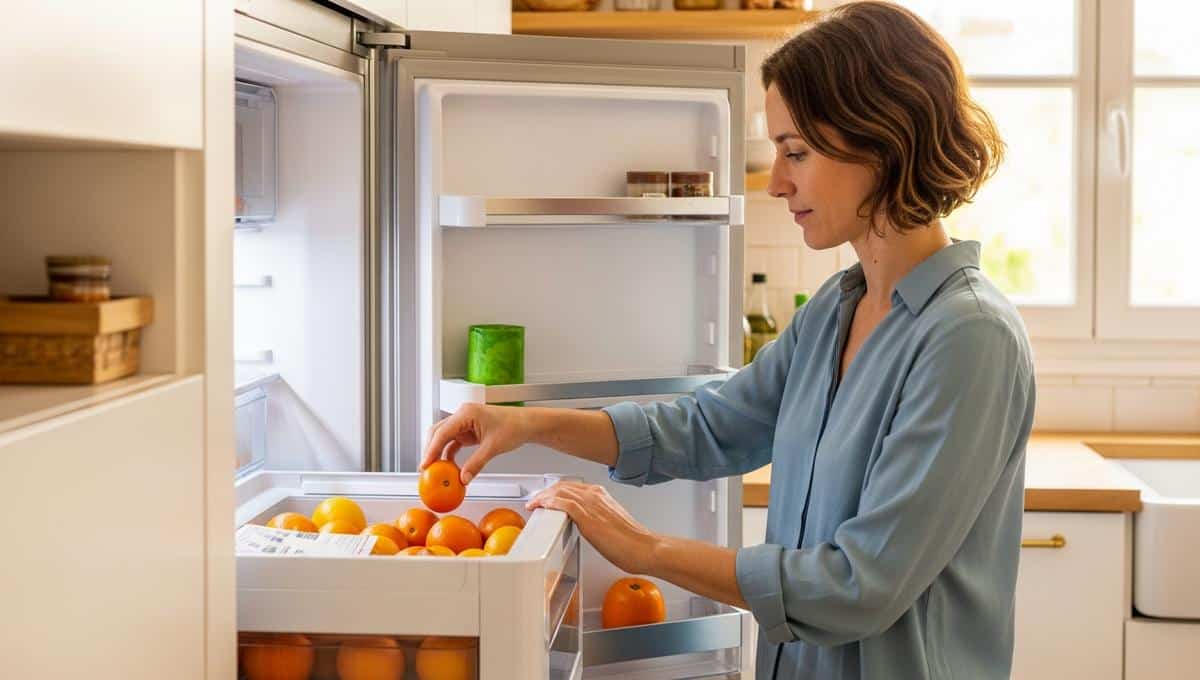
Every winter, the same frustrating scene plays out in kitchens across the country. You buy a beautiful bag of clementines, only to find half of them covered in mold just days later. Fortunately, a simple storage trick can keep these beloved citrus fruits fresh for weeks instead of days.
Why your clementines spoil so quickly
Most people store their citrus fruit the wrong way without even knowing it. The common habit of leaving them in a bowl on the counter seems natural, yet it actually speeds up decay. Warmth and humidity create the perfect breeding ground for mold spores that attack the delicate skin.
Direct sunlight poses another major threat to your fruit’s longevity. The heat from a sunny windowsill can cause clementines to dry out or rot within just three to four days. Even artificial heat sources like radiators or ovens can have the same damaging effect.
Poor air circulation around the fruit also contributes to rapid spoilage. When citrus fruits touch each other in a closed plastic bag, moisture gets trapped between them. This trapped moisture then becomes a catalyst for fuzzy white or green mold growth.
« Proper storage can extend the life of fresh citrus by up to three weeks, saving both money and reducing household food waste. »
The refrigerator method that changes everything
The best place to store your clementines is surprisingly simple: the refrigerator’s crisper drawer. This compartment maintains a cool temperature between 4°C and 8°C, which slows down the ripening process significantly. As a result, your fruit stays juicy and firm much longer.
To readMirrors stay fog-free with these 5 simple household tricksBefore refrigerating, take a moment to inspect each piece carefully. Remove any fruit that shows signs of soft spots or mold, since one bad piece can quickly contaminate the others. This sorting step takes only seconds but makes a real difference in preservation.
Consider placing a paper towel at the bottom of the drawer to absorb excess moisture. The towel acts as a buffer and helps maintain the ideal dry environment. Change this paper every few days for the best results.
Five essential tips for maximum freshness
Beyond basic refrigeration, several additional techniques can help extend your fruit’s shelf life. These methods work together to create optimal storage conditions. With a little effort, you can enjoy fresh citrus for up to three weeks.
- Keep clementines unwashed until you’re ready to eat them
- Store them in a mesh bag or open container for air flow
- Place fruit in a single layer rather than stacking them
- Check stored fruit every two days and remove any damaged pieces
- Keep citrus away from ethylene-producing fruits like apples and bananas
Temperature consistency matters more than many people realize. Avoid moving your citrus between the fridge and counter repeatedly. Each temperature change stresses the fruit and shortens its lifespan considerably.
The location within your refrigerator also plays a role in preservation success. The back of the fridge tends to be colder and might freeze delicate citrus flesh. Therefore, the crisper drawer remains your safest and most reliable option.
Room temperature storage done right
Sometimes you might prefer to keep your fruit at room temperature for easier snacking. In this case, choose a cool, dry spot away from windows and heat sources. A shaded corner of your kitchen counter works well for short-term storage of five to seven days.
A wire basket or ceramic bowl allows air to circulate around each piece. Avoid sealed containers or plastic bags at room temperature, as they trap moisture. Good ventilation prevents the conditions that mold needs to thrive.
Buy smaller quantities if you plan to store clementines at room temperature. This way, you can enjoy them at their peak freshness before spoilage becomes an issue. Frequent smaller purchases beat one large haul that goes to waste.
Making the most of your citrus investment
Fresh clementines typically cost more during off-peak seasons, so proper storage protects your wallet too. By following these simple guidelines, you reduce food waste while saving money. The environmental impact of less wasted produce adds another compelling reason to store fruit correctly.
When you do notice a piece starting to soften, use it immediately in cooking or juicing. Slightly soft citrus still works perfectly for fresh juice, salad dressings, or baked goods. This approach ensures nothing goes to waste unnecessarily.
To readStreaming subscriptions: how to pay less for Netflix, Disney+ and other services in 2025Teaching children proper fruit storage habits can benefit the whole family long-term. Kids who understand why clementines need special care often become more mindful about food in general. These small lessons add up to significant waste reduction over time.
Seasonal eating also helps maximize freshness and flavor. Citrus fruits taste best and last longest when purchased during their natural harvest period from November through February. During these months, the fruit travels shorter distances and arrives in better condition.
Crédit photo © DivertissonsNous