
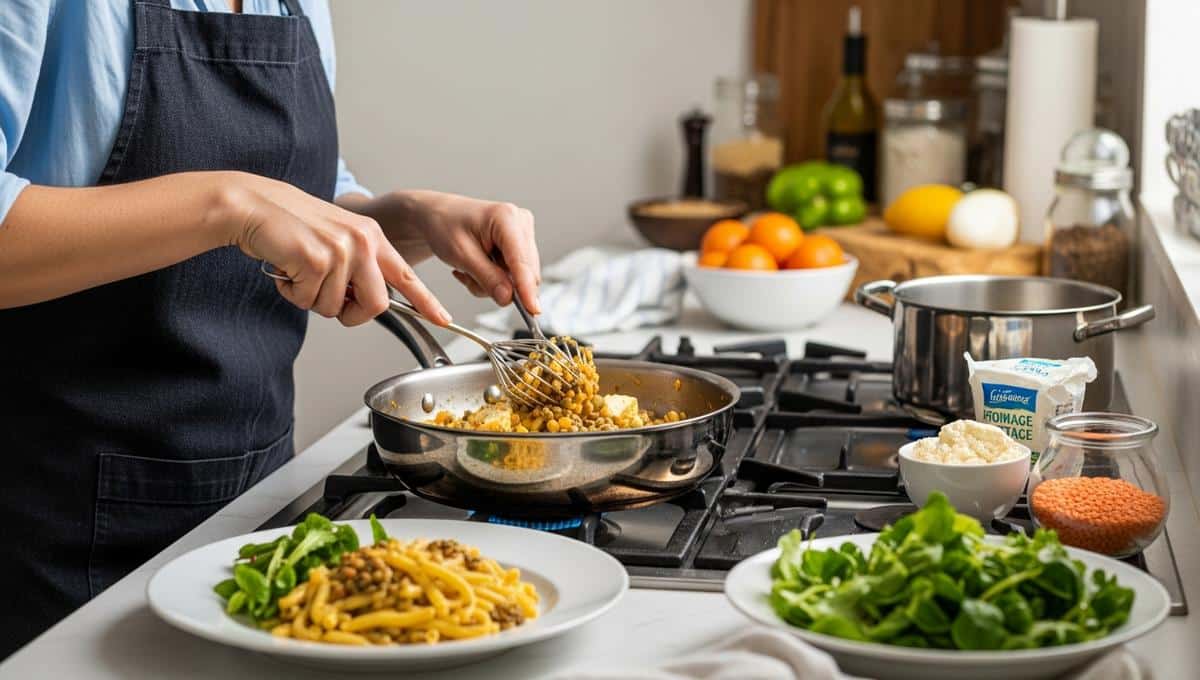
Comfort food lovers know that few dishes satisfy quite like a warm bowl of pasta with cheese. Yet many wonder if this classic meal can fit into a balanced diet. The good news is that simple tweaks can transform this beloved dish into a protein-rich, nutritious option without sacrificing flavor.
Why your favorite cheesy pasta needs a protein boost
Traditional recipes often fall short on protein content. A standard serving delivers around 12 to 15 grams of protein, which represents only a fraction of daily needs. For active individuals, this amount simply does not support muscle recovery or sustained energy levels throughout the day.
Moreover, relying solely on cheese and refined pasta can cause blood sugar spikes. These spikes lead to energy crashes and increased hunger shortly after eating. By contrast, adding protein sources creates a more balanced meal that keeps you satisfied for hours.
Nutritionists now recommend aiming for 25 to 30 grams of protein per meal. This target helps maintain muscle mass and supports metabolic health. Fortunately, reaching this goal with pasta with cheese is easier than you might think.
« A well-balanced pasta dish can absolutely be part of a healthy eating pattern when you focus on protein quality and portion awareness. »
Smart ingredient swaps that make a real difference
Eggs represent one of the simplest additions to boost protein content. Whisking a whole egg or just the yolk into your sauce creates a creamy texture similar to carbonara. This technique adds roughly 6 grams of protein per egg while enhancing the dish’s richness.
To readMirrors stay fog-free with these 5 simple household tricksCottage cheese has emerged as a trending ingredient for good reason. Blending it into your sauce provides a smooth consistency and mild flavor. A half-cup serving contributes approximately 14 grams of protein, nearly doubling the nutritional value of your meal.
Legumes offer another excellent option for those seeking plant-based alternatives. Chickpeas, white beans, or lentils blend seamlessly into cheesy sauces. They bring fiber alongside protein, which aids digestion and promotes gut health.
- Add one beaten egg to hot pasta for instant protein and creaminess
- Blend cottage cheese into sauces for a smooth, protein-rich base
- Toss in chickpeas or white beans for plant-based nutrition
- Sprinkle crushed nuts like walnuts or almonds for texture and healthy fats
- Choose protein-enriched pasta varieties made from legume flour
Choosing the right pasta base for maximum nutrition
The pasta itself plays a crucial role in the final nutritional profile. Standard wheat pasta contains about 7 grams of protein per serving. However, newer alternatives have changed the game entirely for health-conscious eaters.
Legume-based pastas made from lentils, chickpeas, or black beans pack impressive protein content. Some varieties deliver up to 25 grams of protein per serving. These options also tend to be higher in fiber and lower on the glycemic index.
Whole wheat pasta serves as a middle ground for those who prefer traditional taste. It offers more fiber and nutrients than refined versions. When combined with cheese and additional protein sources, it creates a truly balanced pasta with cheese experience.
Protein-fortified pastas have appeared on supermarket shelves in recent years. Manufacturers add ingredients like egg whites or plant proteins to boost content. Reading labels carefully helps identify the best options for your dietary goals.
Balancing your plate beyond the pasta bowl
Vegetables deserve a spot in every cheesy pasta creation. Spinach, broccoli, and peas contribute vitamins while adding volume without excessive calories. Tossing in a handful of greens transforms an indulgent dish into something more complete.
Portion control remains essential even with healthier versions. A serving size of 80 to 100 grams of dry pasta typically suffices when paired with protein-rich additions. This approach allows enjoyment without overloading on carbohydrates.
Pairing your meal with a simple side salad adds freshness and nutrients. The contrast between warm pasta with cheese and crisp vegetables enhances the eating experience. Such combinations also help you feel full faster and longer.
Practical tips for everyday cooking success
Timing matters when incorporating protein ingredients into hot pasta. Adding eggs or cheese to boiling-hot pasta can cause curdling or uneven texture. Instead, let the pasta cool slightly before mixing in temperature-sensitive additions.
To readStreaming subscriptions: how to pay less for Netflix, Disney+ and other services in 2025Reserving pasta water proves invaluable for achieving the perfect sauce consistency. The starchy liquid helps bind cheese and protein additions smoothly. Just a quarter cup can make the difference between clumpy and silky results.
Batch cooking protein components saves time during busy weeknights. Preparing beans, grilled chicken, or hard-boiled eggs in advance streamlines meal assembly. With these elements ready, a nutritious pasta with cheese comes together in minutes.
Experimentation leads to discovering your ideal combinations. Some prefer the subtle richness of ricotta while others favor bold aged cheeses. There is no single correct approach, only the version that satisfies your taste and nutritional needs best.
Crédit photo © DivertissonsNous