
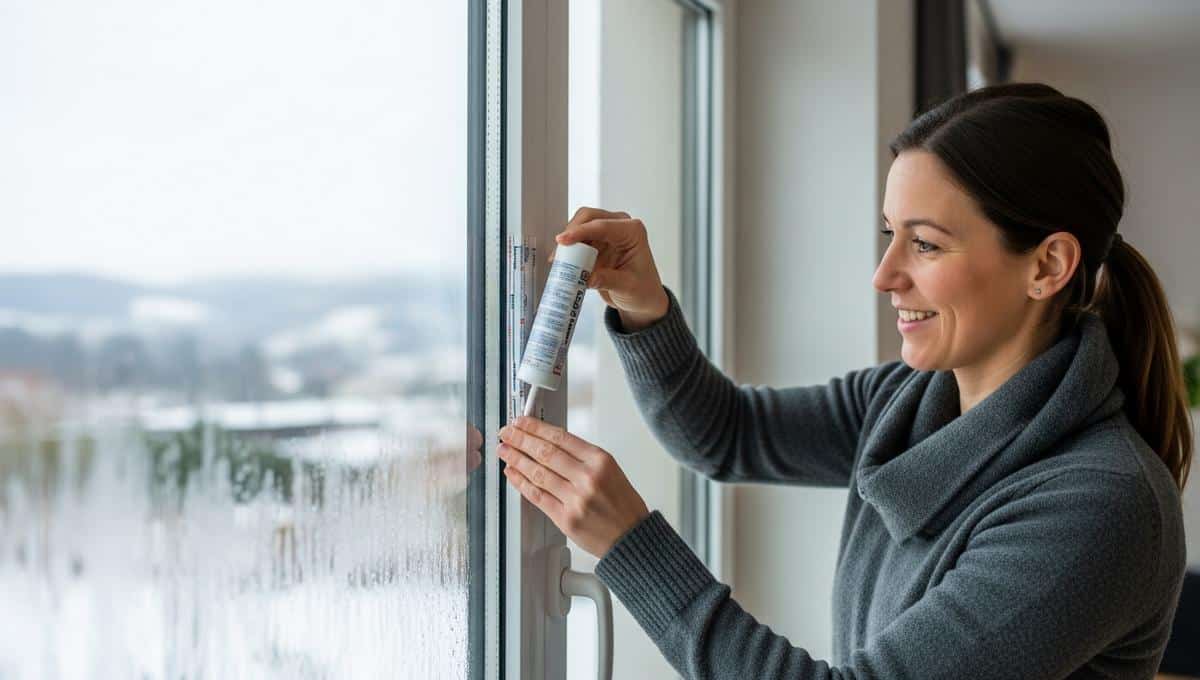
When winter arrives, many homeowners notice cold drafts creeping through their sliding doors. This common issue can significantly increase heating bills and reduce indoor comfort. Improving thermal insulation in these vulnerable areas offers a practical solution that benefits both your wallet and your well-being.
Why sliding doors lose heat so quickly
Sliding doors feature large glass surfaces that naturally conduct temperature changes. Unlike solid walls, these expansive panels allow heat to escape rapidly during cold months. As a result, your heating system works harder to maintain comfortable temperatures indoors.
The frames surrounding sliding doors often contribute to energy loss as well. Older aluminum frames without proper barriers transfer cold directly into your living space. Moreover, worn seals and weatherstripping create gaps where warm air escapes and cold air enters.
Understanding these weak points helps you target improvements effectively. By addressing both glass and frame issues, you can achieve meaningful energy savings. Many households report reductions of 10-15% in heating costs after upgrading their door insulation.
« A well-insulated home starts with attention to its weakest thermal points, and sliding doors often top that list. »
Common signs your doors need better insulation
Condensation forming on glass surfaces indicates poor thermal performance. This moisture appears when warm indoor air meets cold glass, signaling inadequate insulation. Additionally, you might feel noticeable temperature differences near your sliding doors.
To readMirrors stay fog-free with these 5 simple household tricksVisible gaps around the frame edges reveal another warning sign. These openings allow continuous air exchange that undermines your heating efforts. Consequently, addressing these issues early prevents larger problems and higher costs later.
The Aliplast Visoglide Plus system represents a modern solution with innovative thermal breaks in its aluminum construction. This design specifically targets the heat loss problems that plague traditional sliding door frames.
Effective strategies to improve your door’s energy performance
Weatherstripping provides an affordable first step toward better insulation. Self-adhesive strips seal gaps around your door frame quickly and easily. Thus, this simple upgrade can make an immediate difference in comfort and energy use.
Heavy thermal curtains offer another practical option for cold months. Hanging these behind your sliding doors creates an additional barrier against heat loss. Furthermore, curtains add aesthetic appeal while serving a functional purpose.
- Install foam or rubber weatherstripping along all frame edges
- Apply window insulation film to glass panels
- Use draft stoppers at the bottom track
- Hang thermal curtains with proper overlap
- Consider upgrading to double or triple glazed panels
Professional solutions include replacing single-pane glass with insulated units. Double glazing features a sealed air gap that dramatically reduces heat transfer. For optimal results, thermal insulation glass can cut energy loss by up to 50% compared to standard panels.
The Aliplast Ultraglide system offers thermal breaks of 22 mm and 28 mm thickness. These specifications make it particularly suited for climates with harsh winters where maximum insulation matters most.
Budget-friendly quick fixes for immediate results
Clear insulation film applied to glass creates an invisible thermal barrier. This plastic sheeting traps air between itself and the glass surface. Hence, you gain improved insulation without blocking natural light or views.
Door sweeps attached to the bottom edge block cold air from entering underneath. These inexpensive accessories install within minutes using basic tools. Similarly, foam tape around the frame perimeter seals small gaps effectively.
Rearranging furniture can also help manage heat distribution near doors. Placing seating away from sliding doors reduces exposure to cold zones. Meanwhile, ensuring heating vents remain unblocked improves overall room temperature balance.
Long-term upgrades for maximum thermal performance
Replacing outdated doors with modern thermally broken systems delivers lasting benefits. Current technology incorporates barriers within frames that prevent temperature transfer. Therefore, investing in quality doors pays dividends through years of energy savings.
The Aluplast HST system uses PVC construction with five chambers spanning 197 mm in depth. This robust design provides exceptional thermal insulation suitable for regions experiencing extreme winter conditions.
Triple glazing represents the premium choice for cold climates. Three glass layers with two insulating gaps minimize heat loss significantly. Although more expensive initially, these units often qualify for energy efficiency rebates and incentives.
To readStreaming subscriptions: how to pay less for Netflix, Disney+ and other services in 2025Professional installation ensures proper sealing and alignment for new door systems. Incorrect fitting can compromise even the best products and reduce their effectiveness. Accordingly, hiring experienced installers protects your investment and guarantees optimal performance.
Regular maintenance extends the life and performance of your thermal insulation improvements. Inspecting seals annually and replacing worn components prevents gradual efficiency decline. With proper care, quality doors and insulation upgrades serve homeowners well for decades while keeping heating bills manageable and indoor spaces comfortable throughout every winter season.
Crédit photo © DivertissonsNous