
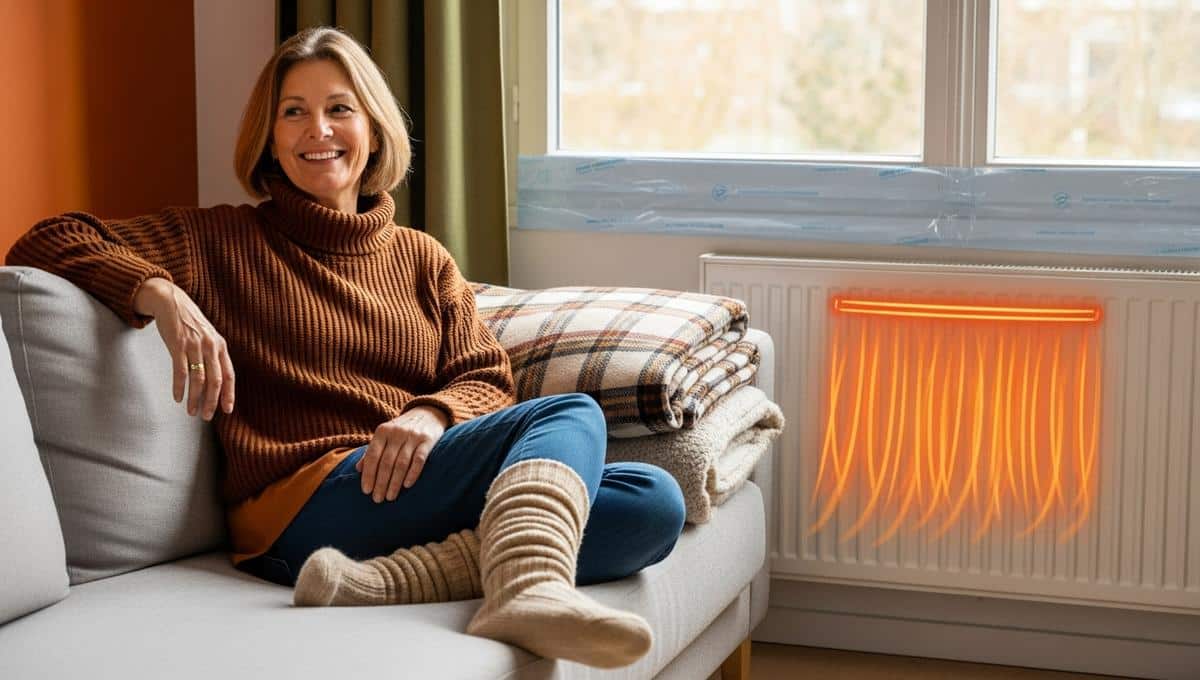
Winter is here, and energy bills keep climbing higher each month. Many households now struggle to afford their heating costs during the coldest season. Yet one resourceful woman claims she has found simple tricks to stay warm without turning on her radiators at all.
Why so many people are giving up on traditional heating
Energy prices have soared dramatically over the past two years. In France, electricity rates increased by nearly 15% in early 2024. As a result, countless families face tough choices between warmth and other basic needs.
The situation has pushed many to seek creative solutions. Some have turned to wood stoves, while others layer blankets throughout their homes. However, not everyone has access to alternative fuel sources or backup systems.
This growing crisis affects vulnerable populations the most. Elderly residents and single-parent households often bear the heaviest burden. Consequently, practical tips for reducing heating dependence have become incredibly valuable.
The story of one woman’s radical decision
A French woman recently shared her experience on social media. She declared that traditional heating was “finished” for her household. Instead, she relies on a combination of clever techniques and smart purchases.
« I realized I was spending more on heating than on food. Something had to change, and these simple methods saved my winter. »
Her approach focuses on three main pillars. First, she maximizes body heat retention through proper clothing. Second, she optimizes her living space to trap warmth naturally. Third, she uses targeted heat sources only when absolutely necessary.
To readMirrors stay fog-free with these 5 simple household tricksHer story resonated with thousands of people online. Many asked for detailed advice on replicating her success. The response highlights how desperate the situation has become for average families.
Essential clothing choices that make a real difference
Layering remains the most effective strategy for indoor warmth. Experts recommend starting with a moisture-wicking base layer. This prevents sweat from cooling against your skin during daily activities.
Thermal underwear has evolved significantly over the past two years. Modern fabrics offer excellent insulation without bulky thickness. Products like the Dama thermolactyl thermal undershirt provide lightweight warmth that works perfectly under regular clothes, making it easy to stay comfortable all day indoors.
Your extremities lose heat faster than your core. Therefore, protecting hands and feet proves crucial for overall comfort. Thick socks and fingerless gloves can transform how warm you feel at home.
- Wear multiple thin layers rather than one thick garment
- Choose natural fibers like wool or modern thermal blends
- Keep a warm hat nearby for especially cold evenings
- Use slippers with rubber soles to block floor chill
- Change into dry clothes if you come home wet
Meanwhile, Heat Holders thermal socks have gained popularity for their exceptional insulation properties. These specialized socks trap body heat effectively, keeping feet warm even on freezing tile or hardwood floors throughout winter.
Simple home modifications that trap warmth naturally
Windows account for significant heat loss in most homes. Applying insulating film costs little but blocks cold drafts effectively. Heavy curtains add another barrier against the winter chill.
Door gaps often go unnoticed yet waste precious warmth. Draft excluders solve this problem quickly and cheaply. You can even make them yourself using old towels or fabric scraps.
Rugs transform cold floors into cozy surfaces. Bare concrete or tiles conduct heat away from your feet rapidly. A thick carpet or layered rugs create instant insulation beneath you.
Targeted heat sources for maximum efficiency
Space heaters use less energy than whole-home heating systems. They warm only the room you occupy rather than empty spaces. This focused approach can cut costs by 40% or more according to some estimates.
Hot water bottles remain a timeless solution for personal warmth. Place one under your blanket before bed for instant coziness. They retain heat for several hours and require no electricity.
Electric blankets offer another targeted option. Modern versions include safety features that prevent overheating risks. Many people report sleeping better while using less overnight heating overall.
To readStreaming subscriptions: how to pay less for Netflix, Disney+ and other services in 2025Cooking and baking naturally warm your kitchen area. Planning meals that require oven use during cold evenings serves double duty. The residual warmth lingers long after dinner ends, reducing your need for supplemental heating in that room.
Crédit photo © DivertissonsNous