
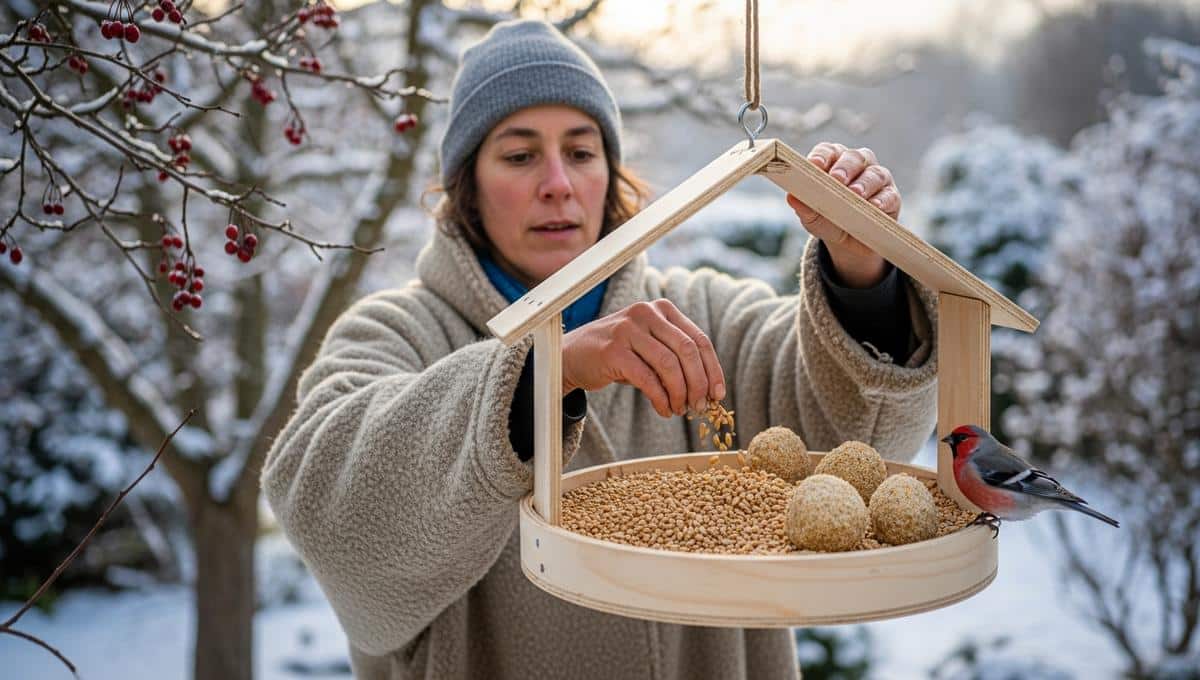
When temperatures drop and frost covers the ground, wild birds face a daily struggle for survival. Feeding the birds during winter months can make a real difference for these fragile creatures. Here are practical tips to help them thrive until spring returns.
Why winter is the hardest season for wild birds
Cold weather brings serious challenges for our feathered friends. Natural food sources become scarce as insects disappear and berries rot away. As a result, birds must spend more energy just to stay warm while finding less to eat.
Small species like robins and sparrows are especially vulnerable during harsh conditions. Their tiny bodies lose heat quickly, so they need constant fuel to survive the night. In fact, some birds can lose up to 10% of their body weight during a single cold night.
Many gardens become lifeless deserts in winter, with no seeds or fruits available. Therefore, human help becomes crucial for bird populations in urban and suburban areas. A simple feeding station can become a true lifeline for dozens of hungry visitors.
« A well-placed bird feeder can support an entire local population through the coldest months of the year. »
Understanding what birds really need
Birds require high-energy foods to maintain their body temperature. Sunflower seeds, peanuts, and fat balls provide the calories they desperately need. Meanwhile, fresh water is just as vital since natural sources often freeze solid.
To readMirrors stay fog-free with these 5 simple household tricksDifferent species prefer different foods, so variety matters greatly. Tits love hanging feeders with seeds, while blackbirds prefer eating from the ground. By offering multiple food types, you attract a wider range of beautiful visitors to your garden.
Smart tips for feeding the birds effectively
Location matters more than you might think when setting up feeders. Choose a spot sheltered from wind but visible enough for you to enjoy watching. Additionally, place feeders near bushes where birds can escape quickly from predators.
Consistency is key once you start helping local birds. They will come to rely on your food source, so stopping suddenly can harm them. Thus, commit to regular refilling throughout the entire winter season.
- Use high-quality seeds without cheap fillers like wheat
- Clean feeders every two weeks to prevent disease spread
- Offer fresh water daily in a shallow dish
- Avoid bread, which offers little nutritional value
- Place feeders at different heights to suit various species
Hygiene plays a crucial role in keeping visiting birds healthy. Dirty feeders can spread dangerous diseases between individuals. Hence, regular cleaning with mild soap protects your garden visitors from illness.
The timing of feeding also affects success rates significantly. Morning is the most critical period after a long, cold night. Similarly, late afternoon refills help birds build reserves before darkness falls.
Choosing the right foods for each species
Sunflower hearts are universally popular among most garden birds. They provide excellent energy without messy husks littering the ground. Moreover, small birds find them easy to handle and consume quickly.
Fat-based foods become especially valuable during freezing temperatures. Suet balls and coconut halves filled with lard attract woodpeckers and nuthatches. Still, avoid using salted or flavored fats that could harm birds.
Peanuts offer protein-rich nutrition that many species adore. However, only provide them in mesh feeders to prevent choking hazards. Whole peanuts can block small throats, so crushed versions are safer for tiny visitors.
Creating a safe haven in your garden
Predators pose constant threats to birds visiting feeders openly. Cats account for millions of bird deaths every year in gardens. Consequently, position your stations at least two meters from any launching point for cats.
Window strikes kill many birds distracted by their own reflections. Placing feeders either very close or quite far from windows reduces this risk. In this way, birds either see the glass clearly or can brake in time.
To readStreaming subscriptions: how to pay less for Netflix, Disney+ and other services in 2025Feeding the birds responsibly means protecting them from all dangers. Squirrels often steal food meant for smaller creatures, so baffles help deter them. Natural barriers like thorny shrubs also provide excellent escape routes nearby.
Your garden can become a true sanctuary with some simple adjustments. Dense evergreen plants offer shelter from rain and wind alike. Besides food stations, consider adding nest boxes for year-round habitat support.
The rewards of feeding the birds extend far beyond helping wildlife. Watching colorful visitors brings joy and calm to daily routines. Children especially benefit from observing nature up close through kitchen windows. With these tips, your garden will buzz with life even on the coldest days.
Crédit photo © DivertissonsNous