
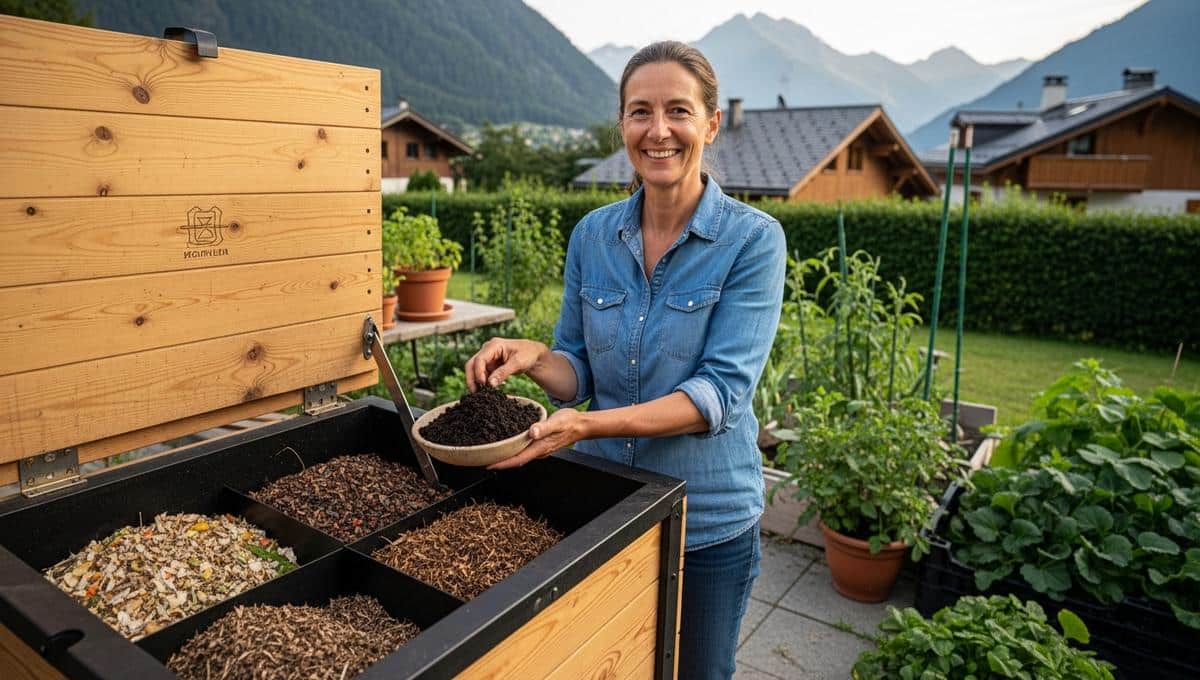
In the Savoie region of France, a quiet revolution is taking place in kitchens and gardens. Local residents are embracing composting as a daily habit, yet many still hesitate to take the first step. This shift raises important questions about how we handle organic waste and why it matters for our communities.
Why more households are turning to organic waste recycling
Across France, new regulations now require households to sort their organic waste separately. This change, effective since January 2024, has pushed millions of people to reconsider their habits. As a result, local authorities in the Pays de Savoie have ramped up their efforts to support residents.
The benefits extend far beyond legal compliance. Reducing food waste in landfills cuts methane emissions significantly. Moreover, transforming scraps into nutrient-rich soil helps gardens thrive without chemical fertilizers. For many families, this practice has become a source of pride and connection to nature.
Community composting sites have also multiplied in recent months. Neighbors now gather to deposit their peels, eggshells, and coffee grounds together. This shared effort builds bonds while solving a practical problem that affects everyone.
Overcoming common fears and misconceptions
Many people worry about unpleasant smells or attracting pests. However, a well-maintained bin rarely causes these issues. Balancing green materials with brown ones, such as dried leaves or cardboard, keeps odors at bay.
« Once you start, you realize how simple it actually is. The hardest part is just deciding to begin. »
Another frequent concern involves space limitations. Apartment dwellers often assume they cannot participate. Yet compact indoor solutions, like bokashi systems or worm bins, fit easily under a sink. These options work remarkably well for small households.
To readMirrors stay fog-free with these 5 simple household tricksTime commitment also deters some hesitant individuals. In reality, the process demands only a few minutes weekly. Turning the pile occasionally and adding the right mix of materials requires minimal effort. The rewards, by contrast, are substantial and lasting.
Practical steps to start your own composting journey
Beginning this practice at home is easier than most people imagine. First, choose a location that works for your living situation. A shaded corner of the garden or a balcony container both serve the purpose well.
- Collect fruit and vegetable scraps daily in a small kitchen caddy
- Add brown materials like newspaper strips or dry leaves regularly
- Turn the pile every two weeks to introduce oxygen
- Keep moisture levels similar to a wrung-out sponge
- Avoid meat, dairy, and oily foods to prevent problems
For those seeking ready-made solutions, products like Neoverda — Compost enrichi 0-15 Big bag 250 L offer an excellent starting point. This blend combines 70% mature screened compost with 30% dehydrated manure digestate, providing immediate soil benefits while you build your own system.
Local workshops in the Savoie region provide hands-on guidance for beginners. Experts demonstrate techniques and answer specific questions during these sessions. Attending one can transform uncertainty into confidence within just a couple of hours.
Children often become enthusiastic participants in household composting efforts. Schools across the region now include organic recycling in their curriculum. Young learners bring these habits home, influencing entire families to adopt greener practices.
What to expect during the first few months
Patience proves essential during the initial phase of composting. The decomposition process takes anywhere from three to twelve months, depending on conditions. Temperature, moisture, and the carbon-to-nitrogen ratio all influence the timeline.
Larger quantities may benefit from products such as Neoverda — Compost enrichi 0-15 Big bag 500 L. This option suits medium-sized gardens or shared community plots perfectly. The enriched formula accelerates plant growth and improves soil structure over time.
Mistakes happen frequently at first, and that remains perfectly normal. Perhaps the pile becomes too wet or attracts fruit flies temporarily. These minor setbacks teach valuable lessons without causing lasting harm. Adjustments quickly resolve most issues that arise.
The broader impact on local communities and the environment
When neighborhoods embrace composting together, the collective impact multiplies dramatically. Municipal waste collection costs decrease as organic materials leave the regular trash stream. This savings often translates into lower taxes or improved local services.
Soil quality across the Savoie region has improved noticeably in areas with high participation rates. Gardens produce more abundant harvests with less water and fewer inputs. Parks and public spaces benefit as well when municipalities use locally produced compost.
For ambitious gardening projects, the Neoverda — Compost enrichi 0-15 Big bag 1000 L delivers professional-grade results. Landscapers and serious hobbyists appreciate the consistent quality and convenient volume. This product exemplifies how commercial options complement homemade efforts effectively.
To readStreaming subscriptions: how to pay less for Netflix, Disney+ and other services in 2025Environmental benefits extend beyond the immediate neighborhood too. Reducing landfill waste decreases groundwater contamination risks. Carbon sequestration in healthy soil helps combat climate change on a global scale. Every household that participates contributes to these larger outcomes meaningfully.
Crédit photo © DivertissonsNous