
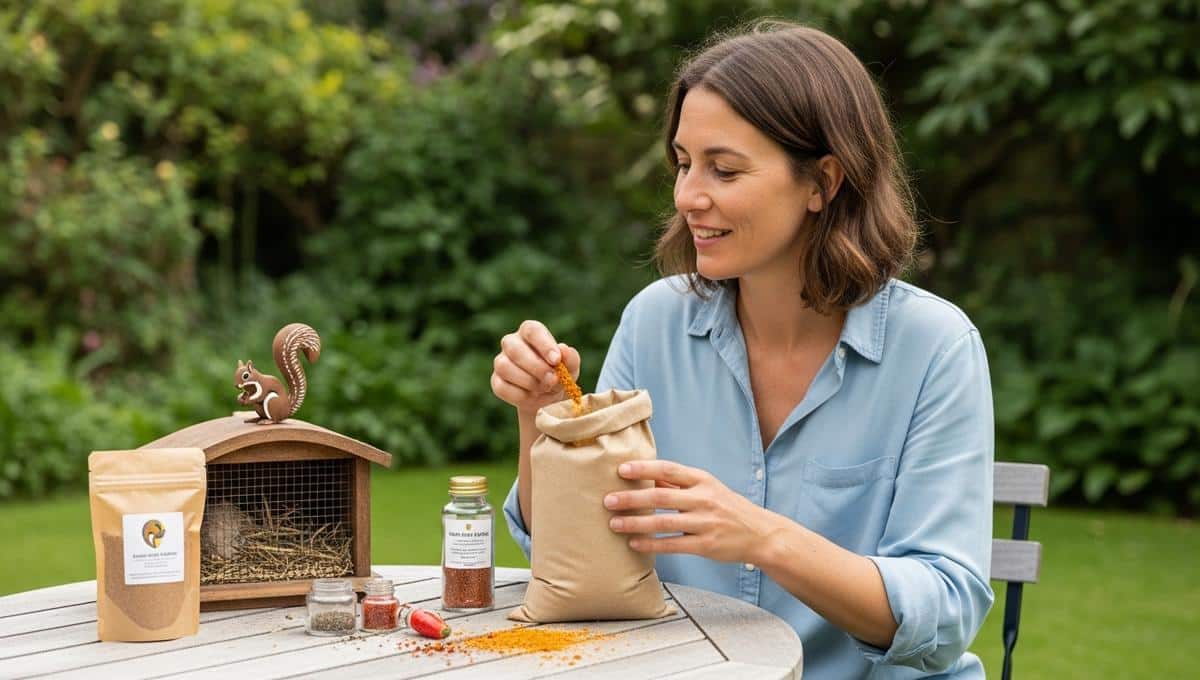
Watching birds visit your garden feeder brings pure joy. Yet, squirrels often steal the show and the food meant for your feathered friends. Fortunately, simple tips using common kitchen items can solve this problem without harming any wildlife.
Why squirrels invade your bird feeders and what you can do
Squirrels are clever creatures with an excellent sense of smell. They can detect seeds from far away, and bird feeders offer an easy meal. These agile animals jump up to 3 meters horizontally and climb almost any surface. As a result, most standard feeders become their personal buffet.
The damage goes beyond stolen seeds. Squirrels chew through plastic and wood feeders, causing costly replacements. They also scare away birds that need consistent food sources, especially during harsh winters. Many gardeners feel frustrated after trying various products with little success.
However, nature provides a remarkable solution sitting in your kitchen cabinet. Cayenne pepper and other spices create a barrier squirrels hate but birds cannot even taste. This natural approach forms the foundation of several simple tips that actually work.
« Birds lack the receptors for capsaicin, so spicy seeds are completely safe and pleasant for them to eat. »
The cayenne pepper method explained in detail
Capsaicin, the compound that makes peppers hot, irritates mammals but not birds. You can mix one tablespoon of cayenne pepper per pound of birdseed. Consequently, squirrels take one bite and quickly learn to stay away. This method remains one of the most effective simple tips gardeners share.
To readMirrors stay fog-free with these 5 simple household tricksApplying the pepper correctly matters for best results. Wear gloves when handling the mixture to protect your skin. Store the treated seeds in a dry container, and reapply after heavy rain washes the spice away. With consistency, squirrels will seek food elsewhere within days.
Some commercial seed mixes now include capsaicin coating. These products save time, though making your own blend costs less. Either way, this approach protects your investment in quality birdseed while keeping feeders accessible to the birds you want to attract.
- Mix cayenne pepper directly into your birdseed
- Reapply spice after rain or every two weeks
- Use gloves when handling treated seeds
- Store spiced seeds in airtight containers
- Start with small amounts and increase if needed
Physical barriers and placement strategies that protect feeders
Beyond spices, positioning your feeder correctly makes a huge difference. Place feeders at least 3 meters away from trees, fences, and roofs. Squirrels cannot jump this distance, so isolation becomes your first line of defense. A tall metal pole with a baffle underneath works best for ground placement.
Baffles deserve special attention among these simple tips. These dome or cylinder-shaped guards block climbing attempts effectively. Mount them below hanging feeders or above pole-mounted ones. Metal baffles outlast plastic versions and resist chewing damage much better.
Wire cages around feeders allow small birds through while blocking larger animals. Many models fit standard tube feeders and cost under twenty dollars. Thus, this one-time purchase provides years of protection. Birds adapt quickly to feeding through the mesh openings.
Slippery poles offer another physical deterrent worth trying. Coat metal poles with cooking oil or petroleum jelly to prevent grip. Squirrels slide down repeatedly and eventually give up. Reapply the coating monthly or after storms for consistent results throughout the season.
Weight-activated feeders and smart design choices
Modern feeders use squirrel weight against them cleverly. When an animal heavier than a bird lands on the perch, ports close automatically. These mechanisms typically trigger at around 85 grams, letting most songbirds feed freely. Investing in quality weight-activated feeders saves money on seeds over time.
Spinning feeders provide an entertaining solution too. Battery-powered motors detect squirrel weight and gently rotate the perch. The motion startles without harming, and squirrels learn quickly to avoid these feeders. Videos of confused squirrels spinning off have become internet favorites for good reason.
Selecting the right feeder material matters as well. Metal and thick glass resist chewing far better than plastic options. Reinforced ports and locking lids add extra security layers. These design features complement other simple tips for comprehensive protection.
Creating a squirrel-friendly zone away from bird feeders
Sometimes, distraction works better than deterrence alone. Set up a separate feeding station with corn cobs and peanuts far from bird feeders. Squirrels prefer these treats over birdseed when given the choice. This strategy redirects their attention peacefully and reduces conflict overall.
To readStreaming subscriptions: how to pay less for Netflix, Disney+ and other services in 2025Ground feeding areas near trees appeal to squirrels naturally. Scatter corn kernels or sunflower seeds in a designated spot each morning. Over time, squirrels associate this location with easy meals. Meanwhile, your bird feeders remain undisturbed for their intended visitors.
Native plants that produce nuts provide long-term habitat solutions. Oak, walnut, and hazelnut trees give squirrels natural food sources. Planting these away from feeding areas encourages wildlife balance in your garden. The approach takes patience but creates lasting harmony between species.
Combining multiple simple tips yields the best outcomes consistently. Use spiced seeds with proper feeder placement and physical barriers together. Add a squirrel feeding station to complete your defense system. This layered approach addresses the problem from every angle while respecting all creatures in your outdoor space.
Crédit photo © DivertissonsNous