
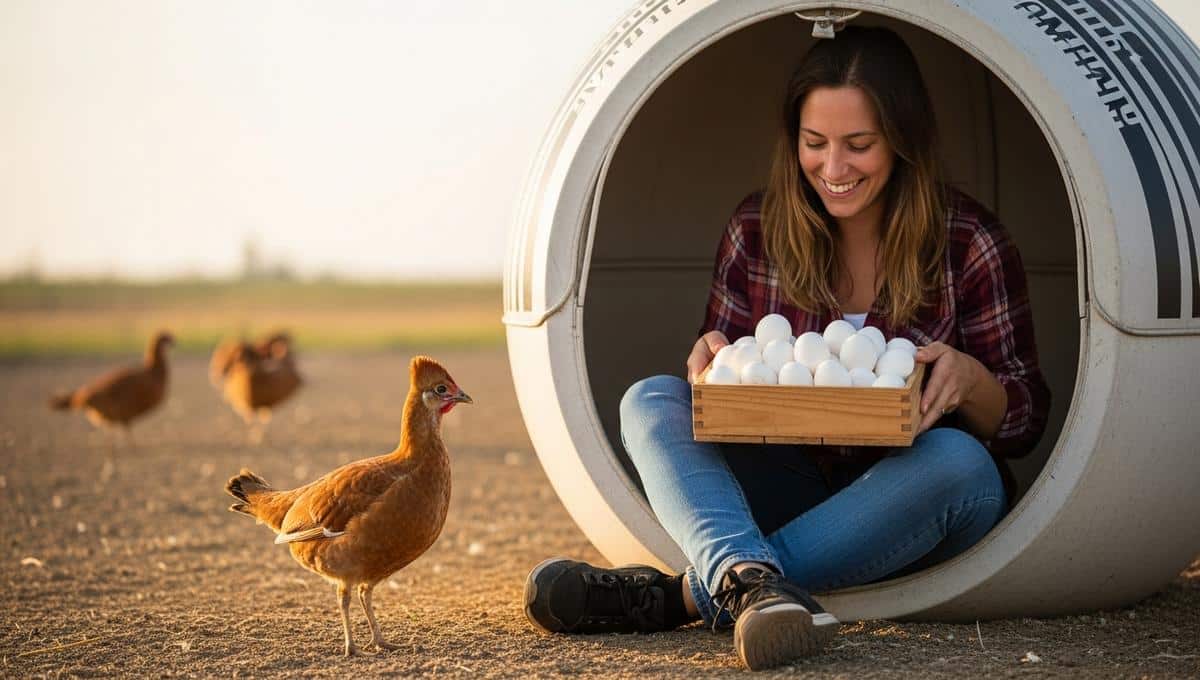
Every morning, thousands of backyard poultry keepers open their coop doors with the same hope: finding fresh eggs waiting for them. Yet many owners of hens notice frustrating drops in egg production without understanding why. The good news is that simple, practical changes can transform your flock’s laying habits within weeks.
Why your hens may be laying fewer eggs than expected
Egg production depends on multiple factors that work together in complex ways. Nutrition, lighting, stress levels, and overall health all play crucial roles. When one element falls short, your birds respond by reducing or stopping their laying cycle entirely.
Many poultry keepers blame their birds when production drops. However, the root cause often lies in management practices that can be easily adjusted. Understanding what your flock truly needs makes all the difference between sporadic laying and consistent daily eggs.
Seasonal changes affect laying patterns more than most people realize. During shorter winter days, birds naturally slow down their reproductive cycle. This biological response helped wild ancestors survive harsh conditions when food was scarce.
« A well-fed hen with proper lighting and low stress will lay consistently for years, while a neglected bird may stop producing entirely within months. »
The critical role of nutrition in egg production
Feed quality directly impacts how many eggs your flock produces each week. A complete layer feed should provide between 600 and 700 grams daily per bird. This amount ensures adequate protein, calcium, and energy for consistent laying.
To readStreaming subscriptions: how to pay less for Netflix, Disney+ and other services in 2025Calcium deserves special attention because eggshells require enormous amounts of this mineral. Offering crushed oyster shells or limestone grit in a separate dish allows each bird to consume what she needs. Without this supplement, shells become thin and production eventually stops.
Fresh vegetables add valuable nutrients and keep your flock engaged throughout the day. Cabbage, lettuce, and other greens provide vitamins while reducing boredom. Bored birds often develop pecking problems that create stress for the entire group.
- Provide complete layer feed with at least 16% protein content
- Offer calcium supplements freely in a separate container
- Add fresh greens daily for vitamins and mental stimulation
- Ensure clean water is always available and changed regularly
- Avoid sudden diet changes that can disrupt laying cycles
Creating the ideal environment for maximum egg production
Your coop setup influences laying behavior more than many keepers realize. Hens need 14 to 16 hours of light daily to maintain peak production. During winter months, supplemental lighting helps maintain this threshold without disturbing natural rest periods.
Nesting boxes should feel safe, private, and comfortable for your birds. One box for every four to five birds usually provides enough space. Placing boxes in quiet, dimly lit areas encourages regular use and reduces floor laying.
Temperature extremes create significant stress that impacts egg production. While most breeds tolerate cold well, extreme heat above 30 degrees Celsius causes immediate drops in laying. Providing shade, ventilation, and cool water helps birds cope during summer months.
Predator pressure creates invisible stress that affects your flock even when no attack occurs. Birds that feel unsafe will prioritize survival over reproduction. Securing your coop against potential threats allows your flock to relax and lay consistently.
Managing stress and flock dynamics effectively
Social stress within the flock often goes unnoticed by keepers. Dominant birds may prevent others from accessing food, water, or nesting areas. Observing your flock during feeding time reveals hierarchy problems that need addressing.
Overcrowding ranks among the most common causes of reduced egg production. Each bird needs at least one square meter of coop space plus outdoor access. Cramped conditions increase aggression, disease spread, and psychological stress.
New additions to your flock require careful integration over several weeks. Quarantine newcomers first to prevent disease transmission. Then introduce them gradually using visual barriers before allowing direct contact with established birds.
Seasonal adjustments that maintain year-round laying
Autumn brings natural changes that signal hens to slow down their reproductive efforts. Molting season typically begins as daylight decreases, with birds losing and regrowing feathers. During this period, production drops significantly because protein goes toward feather growth instead of eggs.
To readHens laying fewer eggs: 4 simple tips to boost production naturallySupporting your flock through molt requires dietary adjustments. Increasing protein content to 18 to 20 percent helps birds regrow feathers faster. Once molt completes, birds often resume laying with renewed vigor.
Winter management determines whether your flock lays through the cold months. Some keepers choose to let birds rest naturally, while others use supplemental lighting. Both approaches have merits depending on your goals and philosophy.
Spring brings renewed laying activity as daylight increases and temperatures moderate. This natural peak period often produces the most eggs of the entire year. Taking advantage of this abundance through proper preservation methods ensures eggs remain available later.
Crédit photo © DivertissonsNous