
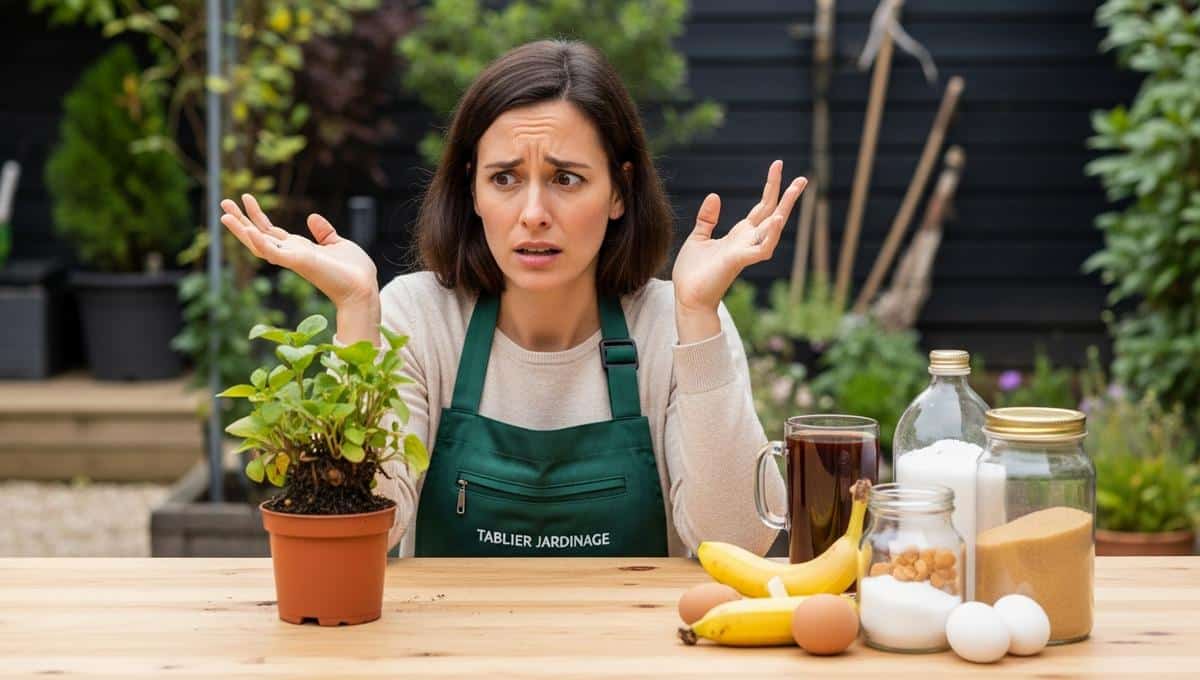
Every day, millions of people search for gardening tips on social media and websites. Yet many of these viral hacks can actually harm your plants. A French radio show recently exposed this growing problem, urging gardeners to think twice before trying trendy tricks.
Why fake gardening advice spreads so fast online
Social media platforms reward content that looks impressive. As a result, flashy garden hacks get millions of views. However, views don’t equal results. Many creators prioritize clicks over actual plant health.
The problem has grown worse in recent years. Algorithms push sensational content to the top of feeds. Meanwhile, reliable gardening tips from experts often get buried. This creates a dangerous gap between what’s popular and what actually works.
Experienced horticulturists have raised alarms about this trend. They see beginners making costly mistakes after watching viral videos. Simple errors can kill plants, waste money, and discourage new gardeners entirely.
« Ce n’est pas parce qu’une astuce est populaire qu’elle est efficace. »
Common myths that can damage your garden
One popular myth involves adding sugar to soil. Proponents claim it feeds plants directly. In reality, sugar attracts harmful bacteria and pests. Your plants may suffer root damage as a result.
To readDressing organization: 7 simple tips to keep your closet tidy every dayAnother widespread trick suggests using coffee grounds everywhere. While coffee can help certain acid-loving plants, too much changes soil pH dramatically. Consequently, many plants struggle or die from this well-meaning mistake.
Banana peels placed on soil represent yet another viral fail. They decompose too slowly to provide quick nutrients. Moreover, they can attract unwanted insects to your garden beds.
- Sugar in soil attracts pests and harmful bacteria
- Excess coffee grounds alter pH levels dangerously
- Banana peels decompose too slowly to help plants
- Eggshells need grinding to release calcium effectively
- Dish soap sprays can burn delicate plant leaves
How to identify reliable gardening tips from questionable ones
First, check the source of any advice you find. Certified horticulturists and agricultural extensions provide tested information. By contrast, anonymous social media accounts rarely have real expertise. Their motivation is often engagement, not your garden’s success.
Second, look for scientific backing behind any claim. Legitimate gardening tips reference research or established practices. Vague promises without explanation should raise red flags. When someone can’t explain why a hack works, proceed with caution.
Third, consider the specific needs of your plants. What works for tropical species may harm Mediterranean varieties. Climate, soil type, and season all matter greatly. Universal solutions rarely exist in gardening.
Finally, start small when testing new techniques. Apply unfamiliar methods to just one or two plants first. This approach limits potential damage. Over time, you’ll build reliable knowledge through careful observation.
The real cost of following bad advice
Failed experiments waste both time and money. Seeds, soil amendments, and young plants add up quickly. For many families, a ruined vegetable garden means lost food for the table. The emotional cost can be significant too.
Beyond personal loss, bad practices harm the environment. Chemical concoctions pollute groundwater supplies. Invasive species get introduced through careless recommendations. These consequences extend far beyond individual gardens.
Pest problems often multiply after misguided treatments. Homemade sprays can kill beneficial insects alongside harmful ones. Without natural predators, pest populations explode. Breaking this cycle takes months of patient work.
Building a foundation of knowledge that truly helps your plants
Local gardening clubs offer invaluable connections to experienced growers. These groups share gardening tips tested in your specific region. Their advice accounts for local climate and soil conditions. Joining costs little but provides enormous benefits.
To readMirrors stay fog-free with these 5 simple household tricksPublic libraries maintain excellent collections of horticultural books. These resources undergo editorial review before publication. Unlike random internet posts, books face accountability standards. Authors must demonstrate genuine expertise to get published.
University extension services deserve special attention from serious gardeners. They conduct rigorous research on plant care methods. Their gardening tips reflect years of controlled experiments. Best of all, their guidance is usually free to access.
Your own careful records become precious over time. Note what works and what fails in your unique conditions. This personal database will prove more valuable than any viral video. Season after season, patterns emerge that guide better decisions. Trusting verified gardening tips over flashy trends protects both your plants and your investment in this rewarding hobby.
Crédit photo © DivertissonsNous