
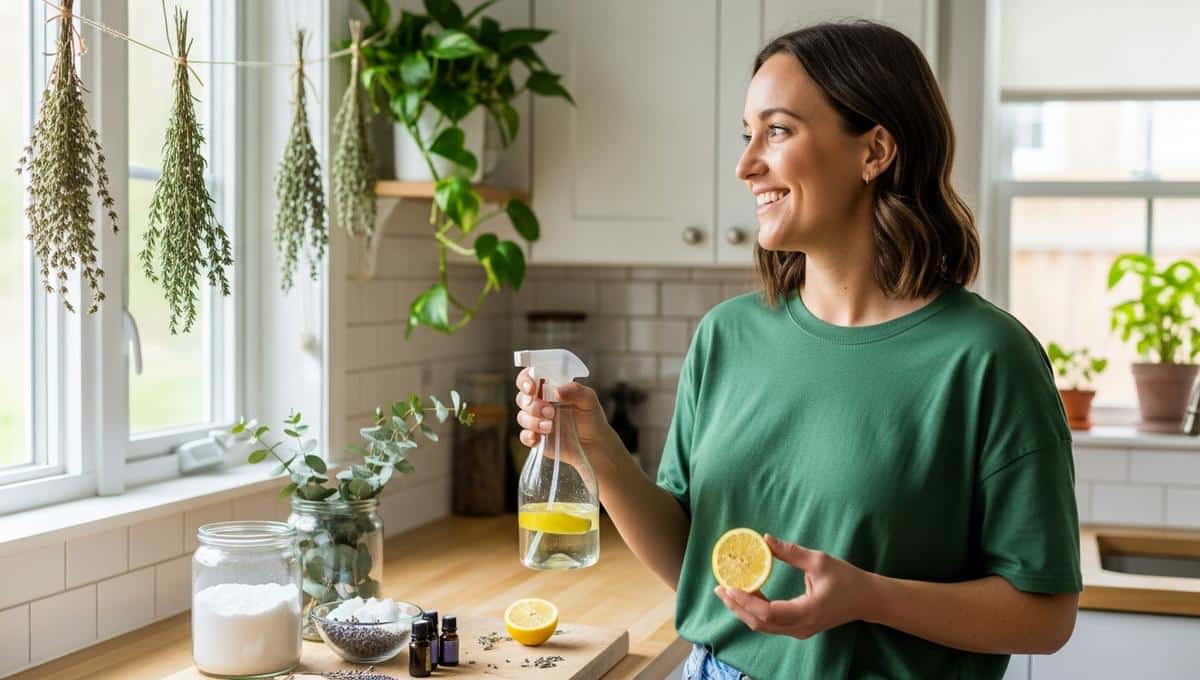
Breathing fresh, clean air inside your home sounds simple, yet modern lifestyles make it surprisingly difficult. From dust to humidity, countless factors can affect air quality at home. Fortunately, time-tested remedies passed down through generations offer practical solutions that anyone can use today.
Why your indoor air may be more polluted than you think
Most people spend around 90% of their time indoors, according to environmental studies. As a result, the air we breathe at home directly impacts our health and well-being. Poor ventilation, synthetic materials, and household products all contribute to indoor pollution.
Dust mites, mold spores, and volatile organic compounds accumulate quickly in closed spaces. These invisible pollutants can trigger allergies, headaches, and fatigue. Therefore, maintaining good air quality at home becomes a daily priority for many families.
Opening windows regularly helps, but it may not be enough in urban areas. Traffic fumes and pollen can enter your living space just as easily. Consequently, combining ventilation with natural purifying methods proves more effective.
« The best remedies for a healthy home often come from simple, natural ingredients our grandmothers already knew. »
The hidden sources of pollution inside your rooms
Carpets, upholstery, and curtains trap particles over time. Cleaning products, candles, and air fresheners release chemicals into the atmosphere. Even new furniture emits formaldehyde for months after purchase.
To readDressing organization: 7 simple tips to keep your closet tidy every dayCooking produces grease particles and combustion gases that linger in kitchens. Bathrooms generate moisture that encourages mold growth on walls and ceilings. Thus, every room presents unique challenges for maintaining healthy indoor air.
Grandmother’s natural remedies to purify your living space
Long before electric air purifiers existed, households relied on simple ingredients. White vinegar, baking soda, and essential oils were common tools for freshening rooms. These methods remain effective and affordable today.
White vinegar absorbs odors and kills bacteria on surfaces. Mix it with water in a spray bottle for an all-purpose cleaner. This solution leaves no toxic residue behind, making it safe around children and pets.
- Place bowls of baking soda in corners to absorb musty smells
- Use eucalyptus essential oil to naturally disinfect the air
- Burn dried sage or lavender to neutralize lingering odors
- Hang bundles of dried herbs near windows for gentle fragrance
- Wipe surfaces with diluted lemon juice for antibacterial cleaning
Baking soda works wonders for absorbing humidity and bad smells. Sprinkle it on carpets before vacuuming to refresh fibers deeply. You can also place small containers in closets or refrigerators for continuous freshness.
Essential oils offer antibacterial and antifungal properties when diffused properly. A few drops of tea tree or peppermint oil can transform stale air into something pleasant. However, use them sparingly if you have respiratory sensitivities.
Plants that naturally filter toxins from indoor air
Certain houseplants act as living air filters in your home. Spider plants, peace lilies, and snake plants absorb pollutants like benzene and formaldehyde. NASA research from the 1980s confirmed their air-cleaning abilities.
Adding three to five plants per room can noticeably improve air quality at home. They release oxygen during photosynthesis while absorbing carbon dioxide. Moreover, caring for plants brings mental health benefits too.
Choose low-maintenance varieties if you lack gardening experience. Pothos and aloe vera thrive with minimal attention and indirect light. These green companions beautify your space while working quietly to purify it.
Daily habits that protect your household’s air quality
Small changes in routine make a big difference over time. Vacuuming twice weekly removes dust before it circulates through rooms. Using a vacuum with a HEPA filter captures even microscopic particles effectively.
Washing bedding in hot water kills dust mites that accumulate in sheets. Experts recommend doing this at least every two weeks for best results. Additionally, choosing hypoallergenic pillows and mattress covers adds another layer of protection.
To readMirrors stay fog-free with these 5 simple household tricksControlling humidity levels prevents mold from taking hold in damp areas. Keep indoor humidity between 30% and 50% for optimal comfort. Dehumidifiers or simple bowls of salt can help regulate moisture naturally.
Cooking with proper ventilation protects your kitchen from grease buildup. Always use an exhaust fan or open a window when preparing meals. This simple step dramatically reduces airborne particles and cooking odors.
Reducing clutter limits surfaces where dust can settle and accumulate. Minimalist spaces are easier to clean and maintain regularly. By adopting these habits, you actively safeguard air quality at home every single day.
Crédit photo © DivertissonsNous