
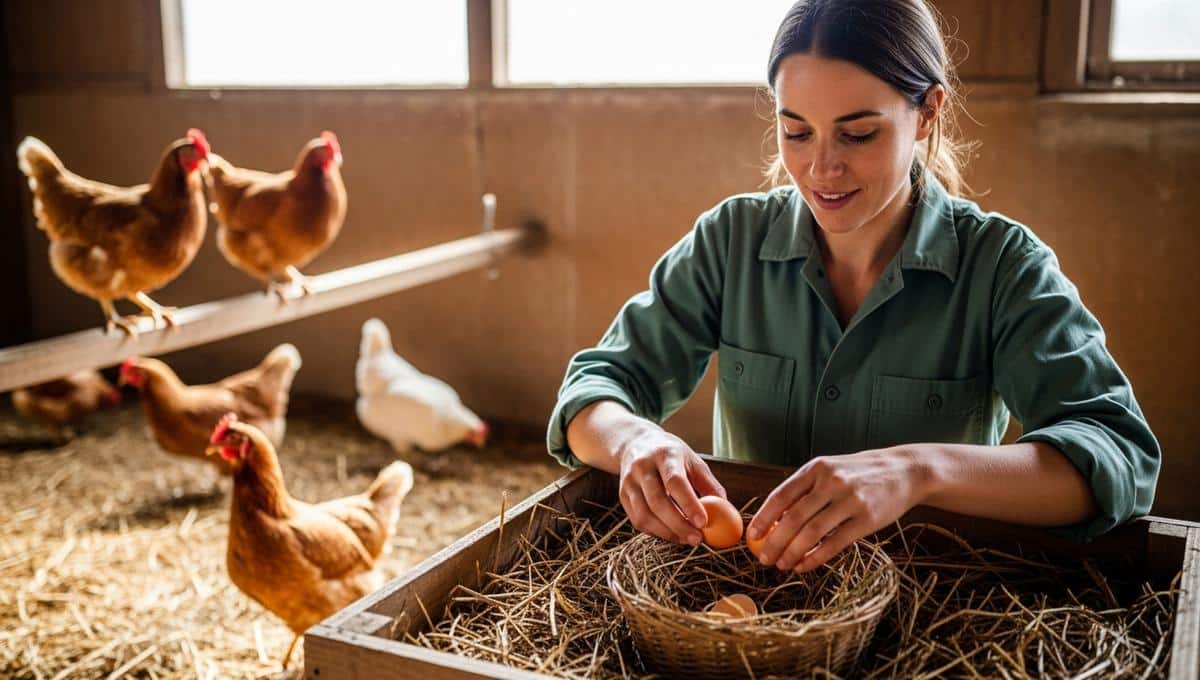
Raising poultry at home brings joy and fresh eggs to countless families. Yet many backyard keepers struggle with inconsistent laying patterns. Understanding what your hens truly need can transform your daily egg harvest and create a thriving flock.
Why your hens might not be laying as expected
Several factors influence egg production in domestic poultry. Stress, poor nutrition, and environmental changes all play significant roles. Recognizing these issues early helps you address them before they become serious problems.
Seasonal shifts affect laying cycles more than most people realize. During winter months, shorter daylight hours naturally reduce egg output. This biological response dates back thousands of years and remains strong in modern breeds.
Age matters considerably when assessing productivity. Young pullets typically begin laying around 18 to 24 weeks of age. After two years, production gradually declines, though quality often remains excellent.
« A happy hen is a productive hen – their wellbeing directly reflects in their laying performance. »
The critical role of natural light exposure
Light triggers hormonal responses that control egg production. Your hens need approximately 14 to 16 hours of light daily for optimal laying. During darker months, this requirement becomes challenging to meet naturally.
Adding artificial lighting offers a practical solution. A simple timer-controlled lamp in the coop can extend daylight hours effectively. However, sudden changes should be avoided, as gradual adjustments work best for the birds.
Nutrition secrets that boost egg production
Diet forms the foundation of consistent laying performance. A balanced feed containing 16 to 18 percent protein supports healthy egg development. Calcium supplements become particularly vital during peak production periods.
To readMirrors stay fog-free with these 5 simple household tricksOyster shells provide an excellent calcium source that birds can self-regulate. Fresh water access throughout the day proves equally important. Dehydration reduces laying rates faster than almost any other factor.
Kitchen scraps can supplement commercial feed nicely. Leafy greens, vegetables, and certain fruits add variety and nutrients. Avoid giving citrus, onions, or processed foods that may harm your flock.
- Provide fresh water daily in clean containers
- Offer calcium supplements separately from main feed
- Include protein-rich treats like mealworms occasionally
- Ensure grit availability for proper digestion
- Store feed in dry, rodent-proof containers
Creating comfortable nesting spaces
Nesting boxes influence where and how often hens lay their eggs. Each box should measure roughly 30 by 30 centimeters and sit in a quiet corner. Dark, secluded spots make birds feel secure during laying.
Clean bedding encourages regular use of designated areas. Straw, wood shavings, or hay all work well as nesting materials. Replace soiled bedding weekly to maintain hygiene and prevent disease.
The ratio of boxes to birds matters significantly. One nesting box per four to five hens typically suffices. Too few boxes creates competition and stress among your flock members.
Managing stress for healthier, more productive birds
Stress remains one of the biggest enemies of egg production. Loud noises, predator threats, and overcrowding all trigger anxiety responses. These stressors can halt laying entirely for days or even weeks.
Predator protection deserves serious attention from every keeper. Secure fencing, locked coops at night, and covered runs prevent attacks. Even the presence of predators nearby causes stress that affects laying patterns.
Social dynamics within your flock require observation and management. Bullying behaviors reduce production in targeted birds significantly. Providing adequate space helps minimize aggressive interactions among group members.
New additions to the flock should be introduced gradually and carefully. Quarantine periods protect existing hens from potential diseases. Slow introductions through wire barriers allow birds to adjust before direct contact.
Seasonal care adjustments that make a difference
Winter demands extra attention to temperature and comfort levels. While most breeds tolerate cold well, drafts cause problems quickly. Insulated coops with proper ventilation strike the ideal balance for your hens.
Summer brings different challenges including heat stress and parasites. Shade structures and cool water help birds cope during hot spells. Regular dust bathing areas allow natural parasite control throughout warmer months.
To readHens laying fewer eggs: 4 simple tips to boost production naturallyMolting season typically occurs in autumn and pauses egg production. This natural process lets birds renew their feathers before winter arrives. Extra protein during this period supports faster, healthier feather regrowth.
Building a sustainable routine for long-term success
Consistency in daily care creates confident, productive poultry. Regular feeding times, cleaning schedules, and health checks establish trust. Your hens learn to expect care and respond with better overall performance.
Record keeping helps identify patterns and potential issues early. Note daily egg counts, unusual behaviors, and any health concerns observed. This information proves invaluable when troubleshooting production problems later.
Connecting with other local keepers provides support and knowledge sharing. Community groups often exchange tips specific to regional conditions. Learning from experienced neighbors accelerates your journey toward a thriving flock.
Patience remains perhaps the most important quality for any poultry keeper. Results from improvements may take several weeks to become visible. Trust the process, maintain good practices, and your birds will reward your efforts consistently.
Crédit photo © DivertissonsNous