
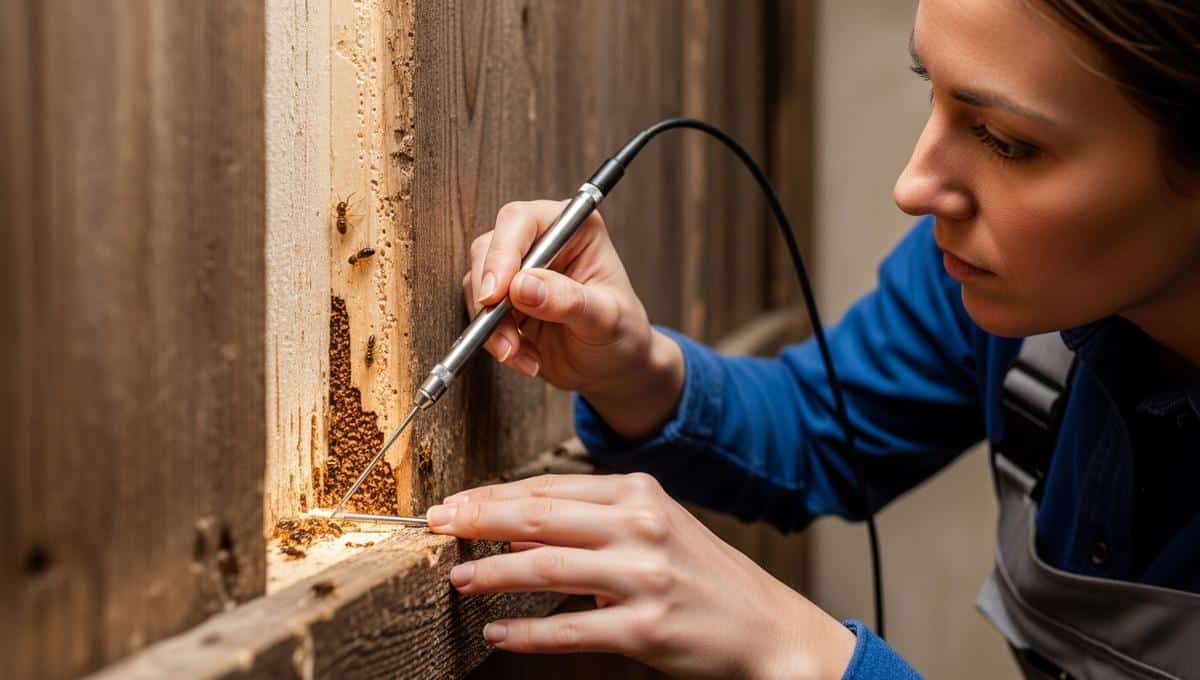
Every year, countless homeowners face a silent threat lurking within their walls and furniture. Wood-boring insects cause millions of dollars in structural damage worldwide. Yet many people only discover the problem when it becomes severe.
Understanding the hidden menace in your home
These tiny creatures feed on wood fibers, often for years without detection. They thrive in dark, humid spaces where timber remains untreated. Consequently, attics, basements, and old furniture become prime targets for infestation.
The damage progresses slowly at first. However, a single colony can compromise an entire beam over time. Homeowners often notice small holes or fine sawdust near wooden surfaces. These signs indicate active feeding beneath the surface.
Several species fall into this category of wood-destroying pests. Termites, powderpost beetles, and longhorn beetles are among the most common. Each species has unique habits, yet all share a destructive appetite for cellulose.
« Early detection remains the best defense against these silent destroyers of our homes and heritage. »
Common species and their behavior patterns
Termites work in colonies that can number in the thousands. They build mud tubes to travel between soil and wood. As a result, they often attack from the ground up, targeting floor joists and wall studs.
To readDressing organization: 7 simple tips to keep your closet tidy every dayPowderpost beetles prefer hardwoods with high starch content. They leave behind a fine, flour-like powder as evidence. Meanwhile, furniture beetles favor softwoods and can infest antiques or structural timber.
Capricorn beetles represent another serious threat to pine and spruce. Their larvae can spend up to ten years inside wood before emerging. Therefore, damage may accumulate long before any visible signs appear.
- Small round or oval holes on wood surfaces
- Fine sawdust or frass near wooden items
- Hollow sounds when tapping on beams
- Crumbling or weakened wood edges
- Adult insects near windows or light sources
Effective treatment methods for infested wood
Once you confirm an infestation, swift action becomes necessary. Several treatment options exist depending on the severity. Professional assessment helps determine the best approach for your situation.
Surface treatments work well for minor, localized problems. These products penetrate the wood and create a toxic barrier. Thus, they kill active larvae while preventing new infestations.
Injection methods target deeper infestations more directly. Technicians drill small holes and inject treatment into galleries. This approach reaches larvae that surface applications cannot touch. It proves especially useful for thick beams or structural elements.
Heat treatment offers a chemical-free alternative for sensitive items. Raising wood temperature above 55°C for several hours kills all life stages. Consequently, this method works well for antique furniture or food-storage areas.
Prevention strategies that actually work
Preventing wood-boring insects saves both money and stress in the long run. Start by controlling moisture levels throughout your home. Proper ventilation in attics and crawl spaces makes wood less appealing to pests.
Inspect firewood before bringing it inside your home. Store it away from your house and off the ground. Similarly, check secondhand furniture carefully before purchase. Old pieces may harbor dormant larvae ready to emerge.
Treating new wood with protective products adds another layer of defense. These treatments soak into fibers and deter future attacks. Many last for years before requiring reapplication.
When to call professional pest control services
Some infestations exceed what homeowners can handle alone. Structural damage from wood-boring insects often requires expert intervention. Professionals possess tools and knowledge that ensure thorough treatment.
To readMirrors stay fog-free with these 5 simple household tricksFumigation represents the most intensive treatment option available. The entire structure gets sealed and filled with gas. This method reaches every crack and crevice where pests may hide. However, it requires temporary evacuation and careful preparation.
Technicians also identify the exact species causing damage. Different pests require different treatment approaches. Getting this diagnosis right proves critical for effective elimination. An incorrect treatment wastes time and allows damage to continue.
Annual inspections provide peace of mind for homeowners in high-risk areas. Trained eyes spot early warning signs that most people miss. Catching problems early keeps repair costs manageable. Moreover, it protects your home’s structural integrity for decades to come.
Crédit photo © DivertissonsNous